
Does COPD Improve After Quitting Smoking?
The Remarkable Transformation: COPD Improvement After Quitting Smoking
Introduction: Chronic Obstructive Pulmonary Disease (COPD) is a progressive lung disease that affects millions of people worldwide. It's often associated with smoking, and quitting smoking is widely recognized as the best way to slow down the progression of COPD. But what happens after you quit? Can COPD truly improve? In this article, we'll explore the impact of quitting smoking on COPD and shed light on the remarkable transformation that can occur.
I. Understanding COPD Before delving into the effects of quitting smoking, it's crucial to understand what COPD is. COPD is a chronic inflammatory lung disease characterized by persistent airflow limitation that worsens over time. The most common causes are long-term exposure to irritants such as tobacco smoke, dust, and chemical fumes.
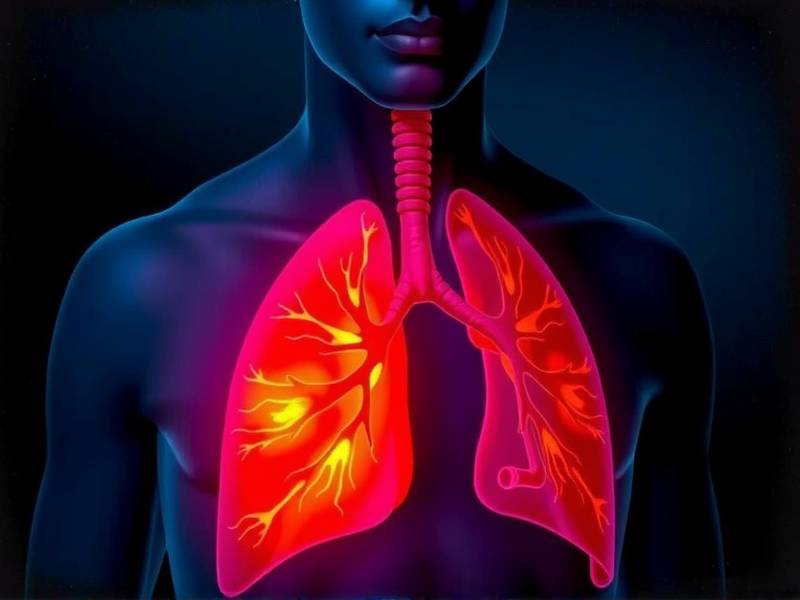
II. The Link Between Smoking and COPD Smoking is the leading cause of COPD, accounting for approximately 80-90% of cases. The chemicals in tobacco smoke cause inflammation in the lungs, leading to damage and narrowing of the airways. This ongoing inflammation and damage contribute to the progression of COPD.
III. Quitting Smoking: A Lifeline for COPD Patients Quitting smoking is a vital step in managing COPD and improving quality of life. Studies have shown that quitting smoking can slow down or even halt the progression of the disease in many cases.
IV. The Immediate Benefits When you quit smoking, your body begins to heal almost immediately. Within just 48 hours after quitting, your carbon monoxide levels drop significantly, increasing oxygen flow to your body's tissues.
V. Long-Term Benefits Over time, quitting smoking can lead to significant improvements in lung function and overall health for individuals with COPD:
- Reduced Risk of Further Lung Damage: By eliminating exposure to harmful chemicals, you reduce your risk of further lung damage.
- Improved Breathing: Many individuals report improved breathing within weeks after quitting.
- Increased Exercise Capacity: With better lung function comes increased endurance and exercise capacity.
- Better Quality of Life: Quitting smoking can lead to fewer hospitalizations and better overall health outcomes.
VI. Support Systems for Quitting Smoking Quitting smoking can be challenging, but there are numerous resources available to help individuals succeed:
- Nicotine Replacement Therapy (NRT): NRT products like gum, patches, lozenges, inhalers, or nasal sprays can help alleviate withdrawal symptoms.
- Medications: Certain medications can help manage symptoms and reduce inflammation.
- Behavioral Support: Joining a support group or seeking counseling can provide motivation and encouragement throughout your journey.
Conclusion: In conclusion, quitting smoking offers immense benefits for individuals with COPD by slowing down disease progression and improving overall health outcomes. While it may seem daunting at first, taking that first step towards quitting can lead to a remarkable transformation in one's life. Embrace the journey towards a healthier future by seeking support and resources available for those looking to quit smoking.