
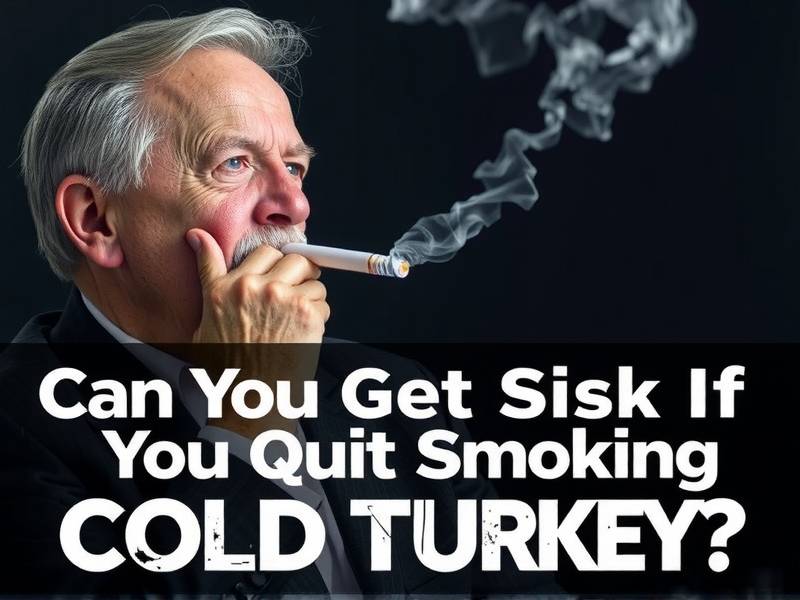
Can You Get Sick If You Quit Smoking Cold Turkey?
The Reality of Quitting Smoking Cold Turkey: Is It Possible to Get Sick?
Introduction: Quitting smoking is a significant decision that many individuals take to improve their health and well-being. One common method is quitting cold turkey, which involves abruptly stopping the habit without any form of nicotine replacement therapy. While this approach can be challenging, some people wonder if it's possible to experience health issues when making such a sudden change. In this article, we will explore the potential risks and side effects of quitting smoking cold turkey.
Understanding the Cold Turkey Approach

What is Cold Turkey? Cold turkey refers to the act of quitting smoking without any gradual reduction in nicotine intake or the use of nicotine replacement therapies (NRTs). It involves stopping abruptly, often on a specific day, with the intention of never picking up a cigarette again.
Why Choose Cold Turkey? Some individuals opt for cold turkey because they believe it's a more immediate and decisive way to quit. Others may not have access to NRTs or prefer not to use them due to personal beliefs or concerns about potential side effects.
The Transition Period
The First Few Days During the initial days of quitting cold turkey, you may experience withdrawal symptoms. These can include cravings, irritability, anxiety, and sleep disturbances. It's important to remember that these symptoms are temporary and typically peak within a few days.
Long-Term Effects While withdrawal symptoms are common in the first few days, some individuals may continue to experience them for several weeks or even months. During this time, it's crucial to stay motivated and seek support from friends, family, or support groups.
Can You Get Sick When Quitting Cold Turkey?
Physical Health Risks It's unlikely that you will get sick from quitting smoking cold turkey itself. However, some individuals may experience short-term physical symptoms due to withdrawal or changes in their body's chemistry. These can include:
- Headaches
- Nausea
- Increased heart rate
These symptoms are usually mild and should resolve within a few weeks as your body adjusts to being smoke-free.
Mental Health Considerations Quitting smoking can also impact mental health. Some individuals may experience increased stress or anxiety during withdrawal. It's essential to recognize these feelings and seek support if needed.
Tips for Managing Withdrawal Symptoms
Stay Hydrated Drinking plenty of water can help alleviate some withdrawal symptoms like headaches and nausea.
Eat Healthily A balanced diet can provide your body with the necessary nutrients during this transition period.
Exercise Regularly Physical activity can help reduce stress levels and improve your mood.
Seek Support Connecting with others who have quit smoking can provide encouragement and advice during challenging times.
Conclusion: While quitting smoking cold turkey may come with its own set of challenges and temporary side effects, it is generally safe for most individuals. Understanding what to expect during withdrawal and seeking support when needed can make the process more manageable. Remember that every journey is unique, so be patient with yourself as you embark on this life-changing path towards better health.