
When Are Cravings the Worst When Quitting Smoking?
Understanding the Peak of Cravings During Smoking Cessation
Introduction: Quitting smoking is a challenging endeavor, and one of the most difficult aspects is dealing with cravings. Understanding when these cravings are at their worst can help smokers develop effective strategies to overcome them. In this article, we will explore the factors that contribute to intense cravings and provide insights into how to manage them effectively.
Section 1: The Nature of Cravings What Are Cravings? Cravings are intense desires for nicotine or tobacco products that can be overwhelming and difficult to resist. They are often triggered by various factors, including stress, emotions, and even environmental cues.

Why Do Cravings Occur? When a person smokes, their brain releases dopamine, a neurotransmitter responsible for pleasure and reward. Over time, the brain becomes accustomed to this dopamine release, making it harder to resist cravings. When smoking cessation begins, the brain starts to crave nicotine again due to withdrawal symptoms.
Section 2: When Are Cravings at Their Worst? The first few days: During the initial days of quitting smoking, cravings can be particularly intense. This is because the body is still adjusting to the absence of nicotine. The first few days are crucial in maintaining determination and seeking support from friends, family, or professionals.
Morning hours: Morning hours often witness a surge in cravings due to several factors. People may associate morning smoking with rituals such as waking up or having coffee. Additionally, low blood sugar levels can contribute to increased cravings during this time.
Stressful situations: Cravings tend to worsen during stressful situations or emotional turmoil. This is because stress triggers the release of adrenaline, which can exacerbate withdrawal symptoms and increase cravings for nicotine.
Social gatherings: Being around smokers or social settings where smoking is common can trigger cravings due to environmental cues. The smell of smoke or reminders of past smoking habits can make it challenging for quitters to resist temptation.
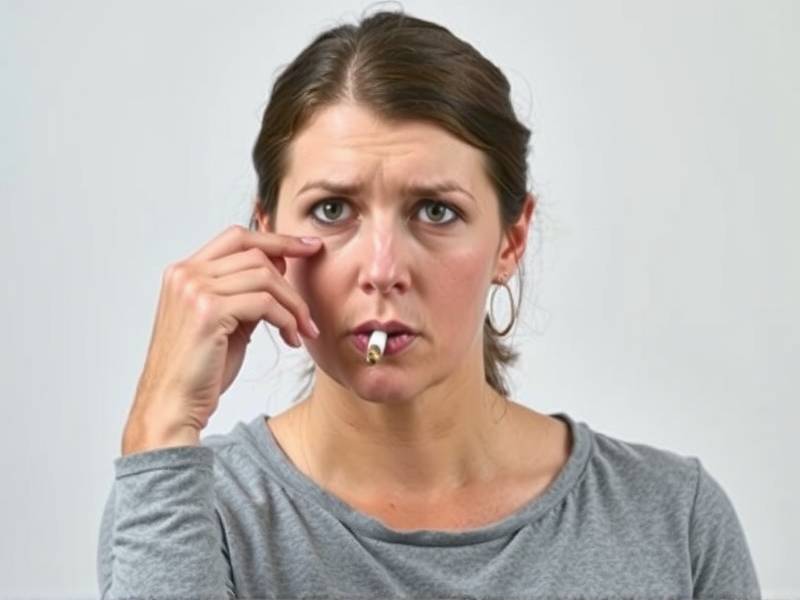
Section 3: Managing Cravings Effectively Identify Triggers: Understanding what triggers your cravings is crucial in managing them effectively. Keep a journal or note down situations where you feel an urge to smoke and try to avoid these triggers as much as possible.
Nicotine Replacement Therapy (NRT): NRT products like gum, patches, lozenges, or inhalers can help alleviate withdrawal symptoms and reduce cravings by providing controlled doses of nicotine without the harmful effects of tobacco smoke.
Alternative Activities: Engaging in alternative activities during moments of intense craving can distract your mind from the desire for nicotine. Consider taking a walk, practicing deep breathing exercises, or engaging in hobbies that keep you occupied.
Seek Support: Quitting smoking becomes easier when you have support from friends, family members, or support groups. Sharing your struggles and receiving encouragement from others who have experienced similar challenges can provide valuable guidance and motivation.
Conclusion: Understanding when cravings are at their worst during smoking cessation is essential for developing effective strategies to manage them successfully. By identifying triggers and seeking support from others, individuals can overcome these intense desires and achieve long-term success in quitting smoking. Remember that perseverance and determination play a significant role in overcoming addiction; take one day at a time!