
Will My Skin Regain Its Elasticity If I Quit Smoking?
The Elasticity of Your Skin: Can Quitting Smoking Make a Difference?
Introduction: Quitting smoking is a significant step towards a healthier lifestyle, and many smokers wonder about the benefits it can bring to their skin. One common concern is whether the skin will regain its elasticity after quitting. Let's explore this topic in detail.
What is Elasticity? Elasticity refers to the ability of the skin to stretch and then return to its original shape. It is a crucial factor in maintaining youthful-looking skin. As we age, our skin naturally loses elasticity, but smoking can accelerate this process.

How Smoking Affects Skin Elasticity: Smoking has been proven to harm the skin in several ways. The chemicals present in cigarettes damage collagen and elastin, which are essential proteins for maintaining skin elasticity. This damage can lead to premature aging, wrinkles, and sagging.
The Process of Skin Regeneration: When you quit smoking, your body starts repairing some of the damage caused by tobacco use. Here's how your skin may regain its elasticity:
-
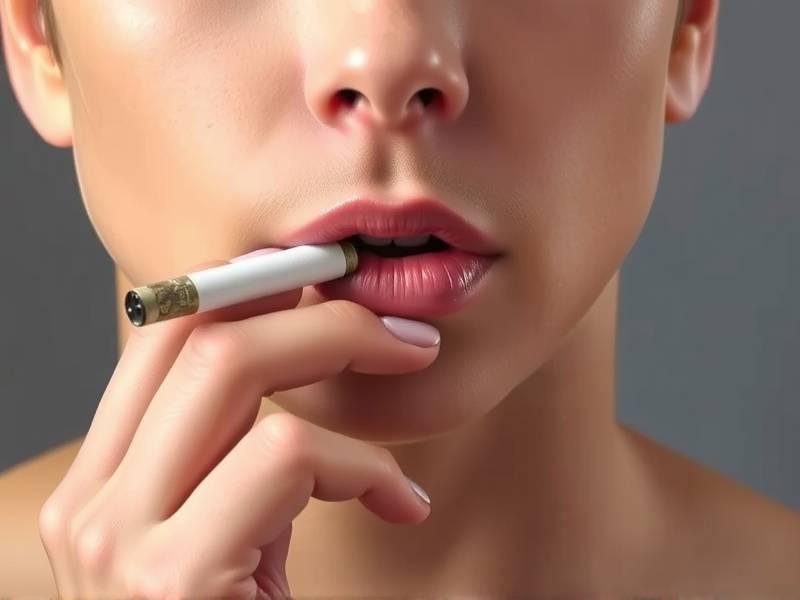
Collagen and Elastin Production: As you quit smoking, your body will start producing more collagen and elastin, which are vital for maintaining skin elasticity. This process takes time and varies from person to person.
-
Improved Blood Circulation: Quitting smoking improves blood circulation throughout your body, including your skin. Better blood flow delivers essential nutrients and oxygen to your cells, promoting healing and regeneration.
-
Reduced Inflammation: Smoking causes inflammation in the body, which can harm your skin's elasticity. By quitting, you reduce inflammation levels and give your body a chance to repair damaged tissues.
-
Antioxidant Support: Quitting smoking allows your body to utilize antioxidants more effectively. These antioxidants combat free radicals that contribute to aging and damage collagen and elastin.
Real-Life Examples: Many former smokers have reported improvements in their skin's elasticity after quitting. While individual results may vary, these examples demonstrate that giving up smoking can have a positive impact on your skin's appearance.
Tips for Enhancing Skin Elasticity: In addition to quitting smoking, consider these tips to enhance your skin's elasticity:
- Stay Hydrated: Drink plenty of water throughout the day.
- Use Sun Protection: Protect your skin from UV rays with sunscreen.
- Eat a Healthy Diet: Incorporate antioxidants-rich foods into your diet.
- Exercise Regularly: Physical activity promotes better blood circulation.
- Get Adequate Sleep: Quality sleep helps repair damaged tissues.
Conclusion: While it may take time for your skin to regain its full elasticity after quitting smoking, it is indeed possible with consistent effort and dedication. Embrace this journey towards better health by taking small steps each day—your body (and especially your skin) will thank you!