
Do You Cough Up Stuff When You Quit Smoking? The Truth About Lung Health After Quitting Tobacco
Do You Cough Up Stuff When You Quit Smoking? The Truth About Lung Health After Quitting Tobacco
Introduction: Quitting smoking is a significant decision that can lead to numerous health benefits. However, one common concern among smokers who are contemplating quitting is the occurrence of coughing up mucus or other substances after stopping tobacco use. This article aims to shed light on this issue, exploring the truth behind lung health after quitting tobacco and addressing common concerns regarding coughing.
Section 1: Understanding the Coughing Process 1.1 Why does coughing occur after quitting smoking? When you quit smoking, your body starts to heal from the harmful effects of tobacco. One of the first noticeable changes is an increase in mucus production in the respiratory tract. This excess mucus can lead to coughing as your body tries to clear out the accumulated debris and toxins from your lungs.
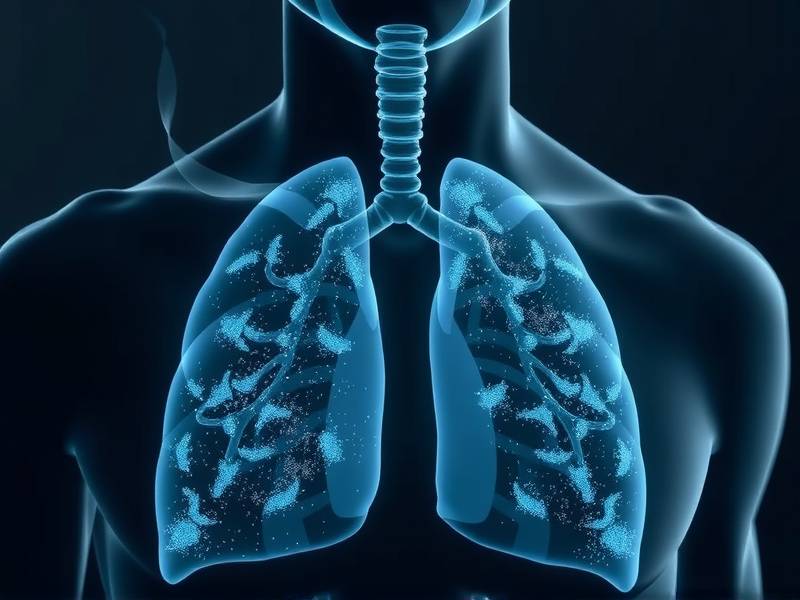
1.2 What does coughing up mucus signify? Coughing up mucus after quitting smoking is a sign that your body is actively working to remove toxins and improve lung function. It indicates that your lungs are beginning to heal and restore their normal function.
Section 2: The Importance of Lung Health After Quitting Tobacco 2.1 How does quitting smoking improve lung health? Quitting smoking reduces the risk of developing various respiratory conditions, including chronic obstructive pulmonary disease (COPD), asthma, and lung cancer. It also helps improve lung function, making breathing easier and reducing the risk of infections.
2.2 Long-term benefits of maintaining lung health: By quitting smoking and focusing on lung health, you can enjoy long-term benefits such as improved quality of life, reduced risk of respiratory infections, and better overall physical fitness.
Section 3: Managing Coughing After Quitting Smoking 3.1 Home remedies for managing cough: To alleviate coughing after quitting smoking, you can try various home remedies such as staying hydrated, using a humidifier, avoiding irritants like smoke or dust, and practicing deep breathing exercises.
3.2 When should you seek medical attention? While mild coughing is a common side effect of quitting smoking, if it persists for an extended period or becomes severe with symptoms like shortness of breath or chest pain, it's essential to consult a healthcare professional for proper evaluation and guidance.
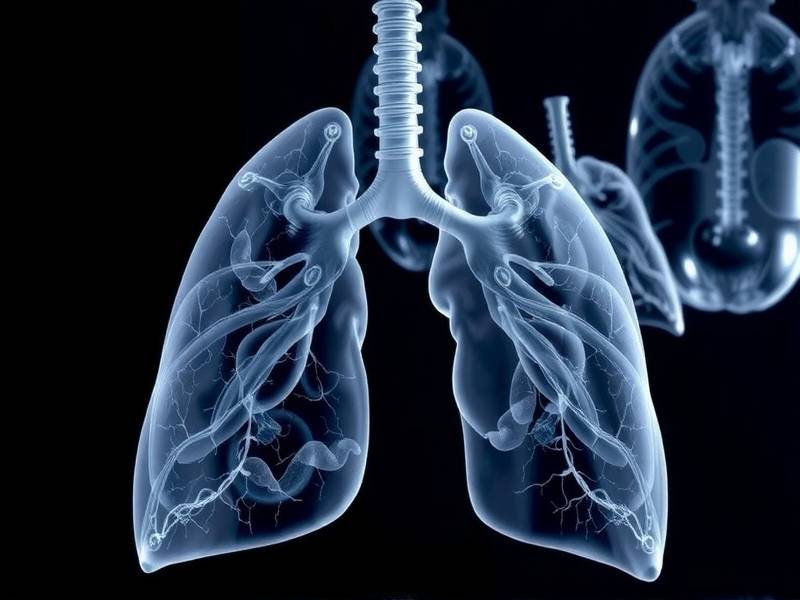
Conclusion: Coughing up mucus after quitting smoking is a normal part of the healing process as your body works to eliminate toxins from your lungs. By understanding this phenomenon and taking appropriate measures to manage coughing symptoms, you can ensure a smoother transition into a smoke-free life with improved lung health. Remember that seeking medical advice when needed is crucial for addressing any potential complications or concerns related to lung health after quitting tobacco use.