
What's the Normal Brain Chemistry Like After You Quit Smoking?
The Altered Brain Chemistry Post-Quitting Smoking: A Journey to New Normalcy
Introduction: The act of quitting smoking is not just a physical endeavor; it's a profound transformation that extends to the very core of our being. One of the most intriguing aspects of this journey is the transformation in brain chemistry that occurs post-quitting. This article delves into the normal brain chemistry after you quit smoking, shedding light on the science behind this transformative process.
I. Understanding Brain Chemistry: Before we delve into the changes, it's essential to understand what brain chemistry entails. Brain chemistry refers to the complex interplay of chemicals, neurotransmitters, and hormones in our brain that regulate mood, behavior, and cognition.
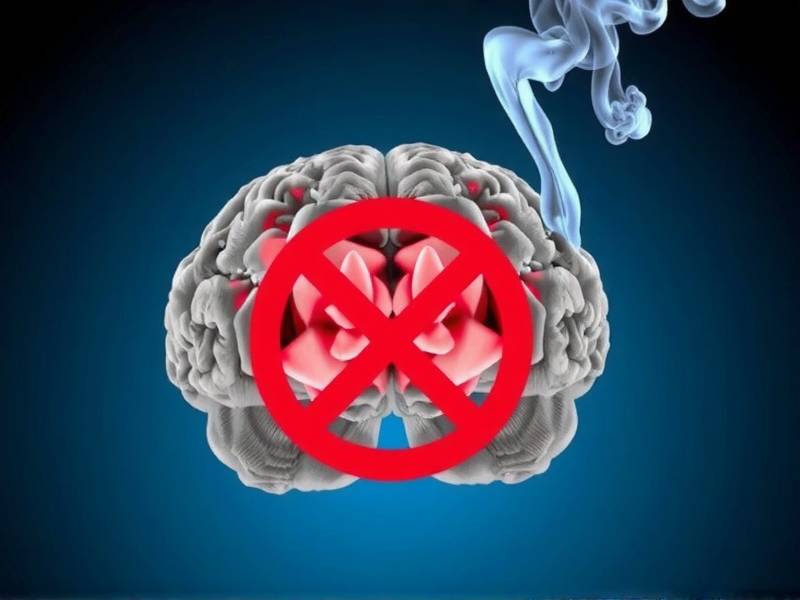
II. The Immediate Impact of Quitting Smoking: When you quit smoking, your body undergoes a series of immediate changes. The withdrawal from nicotine triggers a cascade of physiological responses, including fluctuations in brain chemistry.
A. Nicotine Withdrawal and Dopamine Levels: Nicotine acts as a stimulant and binds to nicotine receptors in the brain, leading to an increase in dopamine levels—a neurotransmitter associated with pleasure and reward. When you quit smoking, these levels plummet, leading to withdrawal symptoms such as irritability and cravings.
B. Serotonin Fluctuations: Serotonin is another neurotransmitter closely linked with mood regulation. Quitting smoking can lead to fluctuations in serotonin levels, potentially contributing to feelings of anxiety or depression during withdrawal.
III. The Normalization Process: As your body adjusts to life without nicotine, your brain chemistry begins to normalize. Here's what typically happens:
A. Dopamine Levels Stabilize: Over time, dopamine levels begin to stabilize as your body adapts to life without nicotine. This stabilization can lead to a reduction in withdrawal symptoms and an improvement in mood.
B. Serotonin Regulation: Your body also starts regulating serotonin levels more effectively post-quit. This can result in improved mood and reduced risk of developing depression or anxiety related to quitting smoking.
C. Endorphin Release: Endorphins are natural painkillers released by the brain during exercise or other pleasurable activities. Quitting smoking may trigger an increase in endorphin release, contributing to feelings of well-being and satisfaction.
IV. Long-Term Benefits for Brain Chemistry: As months pass after quitting smoking, your brain chemistry continues to improve:
A. Enhanced Cognitive Functioning: Research suggests that quitting smoking can lead to improved cognitive function over time due to increased blood flow and oxygen supply to the brain.
B. Reduced Risk of Neurodegenerative Diseases: Long-term smokers are at an increased risk for neurodegenerative diseases such as Alzheimer's disease and Parkinson's disease. Quitting can help reduce this risk by promoting overall brain health.
Conclusion: The journey from smoker to non-smoker is one that reshapes not only your physical health but also your mental well-being through changes in brain chemistry. Understanding these changes can provide motivation and hope for those seeking a smoke-free life—empowering them with knowledge about the normalizing process their brains undergo after quitting smoking.