
Can Your Lungs Heal If You Quit Smoking?
Can Your Lungs Heal If You Quit Smoking? A Comprehensive Guide
Introduction: Smoking is a widely-recognized health hazard, and the negative effects on the lungs are particularly concerning. The good news is that quitting smoking can significantly improve lung health over time. In this article, we'll explore how your lungs can heal after you quit smoking and provide you with valuable insights to help you on your journey to better health.
Section 1: The Impact of Smoking on Lungs Smoking damages the delicate tissues of the lungs, leading to a range of respiratory issues. When you inhale tobacco smoke, it contains thousands of chemicals that can cause inflammation, scarring, and even cancer in your lungs. Chronic bronchitis, emphysema, and COPD are some of the conditions that can arise from long-term smoking.
Section 2: The Healing Process When you quit smoking, your body begins to repair itself almost immediately. Here's what happens to your lungs as they start healing:
Subsection 1: Immediate Benefits Within minutes after quitting, your blood pressure drops and your heart rate slows down. This initial improvement in circulation can help reduce the risk of heart disease.
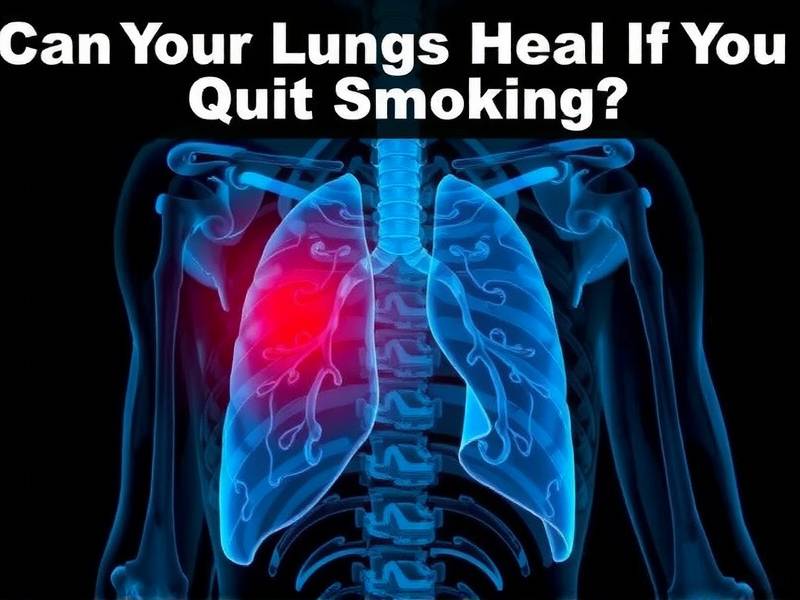
Subsection 2: Short-Term Healing Within days to weeks after quitting, mucus production decreases and cilia (the tiny hair-like structures that line the airways) begin to regrow. This helps clear out debris from the lungs and improves overall lung function.
Subsection 3: Long-Term Healing Over time, as you continue to avoid smoking, your lungs can recover even more significantly:
- Within one year after quitting, your risk of heart disease is reduced by half.
- After five years without smoking, your risk of stroke drops by about the same amount.
- Ten years after quitting, your risk of lung cancer is about half that of a smoker's.
- After 15 years without smoking, your risk of coronary heart disease is similar to that of someone who has never smoked.
Section 3: Tips for Quitting Smoking Quitting smoking isn't easy, but it's worth it for your health. Here are some tips to help you along the way:
Subsection 1: Set a Quit Date Choose a date within a month and stick with it. This gives you time to prepare for withdrawal symptoms.
Subsection 2: Create a Support System Tell friends and family about your goal so they can offer support and encouragement.
Subsection 3: Identify Your Triggers Understand what situations make you want to smoke and plan ways to cope with those triggers.
Subsection 4: Consider Nicotine Replacement Therapy or Medication These options can help alleviate withdrawal symptoms by providing controlled doses of nicotine without the harmful chemicals found in tobacco smoke.
Conclusion: Your lungs have an incredible ability to heal if you quit smoking. By taking steps towards quitting today, you're investing in a healthier future for yourself. Remember that each day without smoking is another day closer to improved lung function and overall well-being.