Do Cilia Grow Back After You Quit Smoking?
The Revival of Cilia: Understanding the Impact of Quitting Smoking
Introduction: Quitting smoking is a significant step towards improving one's health. It's a journey that brings numerous benefits, including the potential revival of cilia. But what exactly are cilia, and do they grow back after you quit smoking? In this article, we'll delve into the world of cilia and explore their role in your respiratory system.
What are Cilia? Cilia are tiny hair-like structures that line the airways in your lungs. They play a crucial role in protecting your respiratory system by filtering out dust, bacteria, and other particles from the air you breathe. When these cilia become damaged or impaired due to smoking, it can lead to respiratory issues.
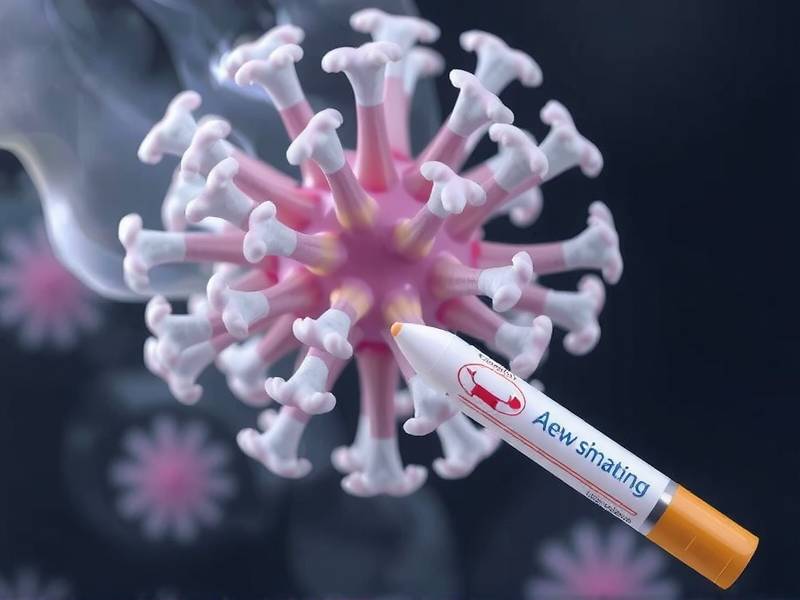
The Impact of Smoking on Cilia: Smoking is a leading cause of chronic obstructive pulmonary disease (COPD), which affects millions worldwide. One of the primary reasons for this is the damage caused to cilia by tobacco smoke. The chemicals in cigarettes can impair the function and structure of cilia, leading to their loss over time.
Do Cilia Grow Back After Quitting Smoking? The good news is that quitting smoking can help restore your cilia's function and potentially allow them to grow back. Research has shown that within a few weeks after quitting, your body starts repairing some of the damage caused by smoking. Over time, as you continue to avoid tobacco smoke, your lungs may experience even more significant improvements.
Here's how quitting smoking helps with the revival of cilia:
-
Reduced Inflammation: Smoking causes inflammation in the lungs, which can damage cilia. By quitting, you reduce inflammation and give your body a chance to heal.
-
Enhanced Oxygen Supply: Cigarette smoke reduces oxygen levels in your blood, which can affect ciliary movement. Quitting smoking allows for better oxygen supply to all parts of your body, including your lungs.
-
Improved Lung Function: As you continue to avoid tobacco smoke, your lung function may improve gradually over time. This improvement can help restore or even regenerate damaged cilia.
-
Decreased Risk of Infections: With healthier lungs and restored ciliary function, you'll have a reduced risk of infections like bronchitis or pneumonia.
Conclusion: Quitting smoking offers numerous health benefits, including the potential revival of damaged cilia in your lungs. While it may take some time for these changes to occur fully, it's an encouraging sign that giving up tobacco can lead to improved lung health and overall well-being. So if you're considering quitting smoking or have already taken that step, remember that there's hope for restoring your respiratory system's natural defenses against harmful particles in the air we breathe.