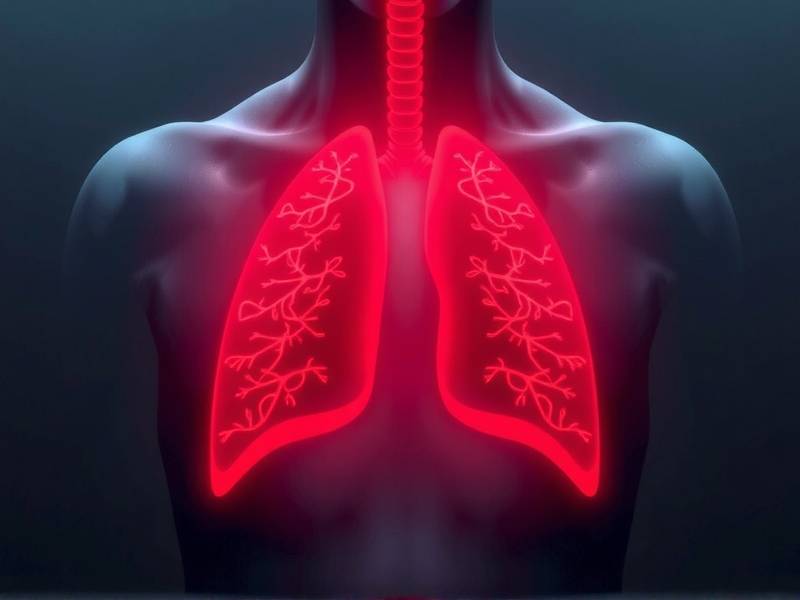
Can Your Lungs Heal Themselves After You Quit Smoking?
The Journey to Lung Recovery
Quitting smoking is a significant step towards improving one's health, and it's often accompanied by the hope that the body can repair itself. One of the most common questions among smokers looking to quit is: Can your lungs heal themselves after you quit smoking? Let's delve into this topic and explore the potential for lung recovery.
Understanding Lung Damage
Before we can answer whether lungs can heal after quitting smoking, it's essential to understand the damage caused by tobacco smoke. Smoking introduces harmful chemicals into the lungs, leading to inflammation, scarring, and a weakened immune system. This damage can manifest in various ways, including chronic bronchitis, emphysema, and an increased risk of lung cancer.
The Healing Process
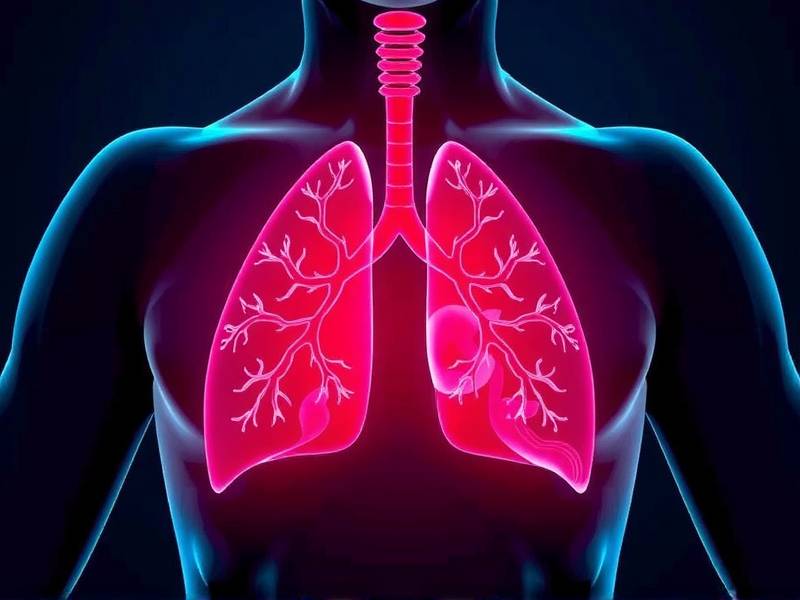
The good news is that the human body has an incredible ability to heal itself. When you quit smoking, you begin a process of reversal that can lead to improved lung function over time. Here are some key aspects of this healing journey:
1. Reduced Inflammation
Quitting smoking reduces inflammation in the lungs almost immediately. This helps improve breathing and reduces coughing.
2. Increased Oxygen Levels
Over time, as your lungs heal, they become more efficient at oxygenating your blood. This can lead to increased energy levels and overall better health.
3. Improved Cough
A persistent cough is a common symptom of chronic bronchitis in smokers. Quitting smoking often leads to a decrease in coughing as the lungs begin to heal.
4. Decreased Risk of Lung Diseases
Although quitting smoking doesn't guarantee complete reversal of all lung damage, it significantly reduces your risk of developing serious lung diseases like emphysema and lung cancer.
Timeframe for Healing
It's important to note that while some improvements may be noticed within weeks or months after quitting smoking, complete healing may take years or even decades depending on several factors:
- Age: Younger individuals tend to recover faster than older ones.
- Duration of Smoking: Longer-term smokers may take longer to see significant improvements.
- Overall Health: Smokers with pre-existing health conditions may have a slower recovery process.
Support Systems for Healing
While your body has its own healing mechanisms at work when you quit smoking, there are additional steps you can take:
- Regular Exercise: Physical activity helps improve lung function and promotes overall health.
- Avoid Secondhand Smoke: Secondhand smoke exposure can hinder your lungs' healing process.
- Stay Hydrated: Drinking plenty of water helps keep mucus thin and easier to expel from the lungs.
Conclusion
In conclusion, while there is no magic bullet for reversing all lung damage caused by smoking, quitting is a powerful step towards self-healing. Your body has an incredible capacity for recovery if given the chance. By adopting healthy habits and giving yourself time, you're on track towards healthier lungs and a better quality of life.
Remember that every puff counts – quitting today is better than tomorrow when it comes to your lung health. Take that first step towards a smoke-free life – your lungs will thank you!