
How Long Will It Take for Your Lungs to Heal After Quitting Smoking?
The Journey to Healthy Lungs: How Long Does It Take After Quitting Smoking?
Introduction: Quitting smoking is a significant step towards improving your health. One of the most common questions people ask is how long it takes for their lungs to heal after quitting. In this article, we'll explore the healing process, the factors that can influence it, and provide you with valuable insights to help you on your journey to healthier lungs.
I. Understanding Lung Healing A. The Impact of Smoking on Lungs Smoking damages the delicate tissues in your lungs, leading to inflammation, scarring, and a reduced ability to exchange oxygen and carbon dioxide efficiently.
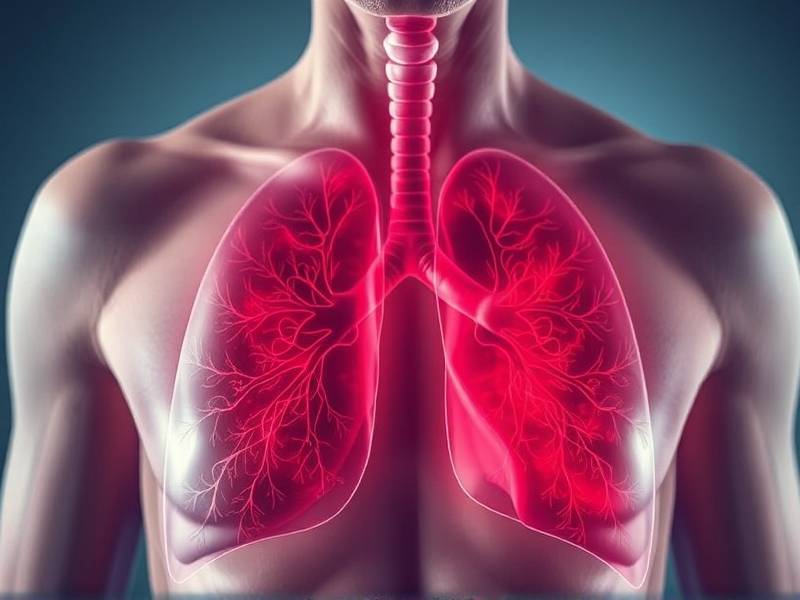
B. The Healing Process When you quit smoking, your body begins to repair the damage caused by tobacco smoke. The healing process varies from person to person but typically follows a predictable timeline.
II. Timeline for Lung Healing A. Immediate Benefits Within hours of quitting smoking, your body starts to eliminate harmful chemicals from your bloodstream, and your heart rate and blood pressure begin to stabilize.
B. One Month: Improved Airflow After just one month without smoking, you may notice improved airflow in your lungs. Your breathing becomes easier, and you might experience fewer coughs and shortness of breath.
C. Six Months: Enhanced Oxygen Supply After six months of not smoking, your lung function continues to improve as new lung tissue begins to grow and repair damaged areas. You'll likely find that you have more energy and are less prone to respiratory infections.
D. One Year: Reduced Risk of Heart Disease One year after quitting smoking, your risk of heart disease decreases significantly compared to when you were a smoker. Your lung capacity also continues to improve as scar tissue diminishes.
E. Five Years: Lowered Risk of Cancer After five years without smoking, your risk of developing lung cancer decreases by about half compared to that of a continuing smoker.
F. Ten Years: Comparable Risk Levels Ten years after quitting smoking, the risk of dying from lung cancer is similar to that of someone who has never smoked.
III. Factors Influencing Lung Healing A. Age and Overall Health Younger individuals tend to heal faster than older smokers due to their bodies' greater ability to repair damage.
B. Duration of Smoking Habit The longer you smoked and the more cigarettes per day you smoked, the more significant the damage done to your lungs.
C. Exposure to Secondhand Smoke or Other Toxins Continued exposure to secondhand smoke or other environmental toxins can slow down the healing process.
IV. Tips for Faster Lung Healing
A. Maintain a Healthy Lifestyle Regular exercise, proper nutrition, and adequate hydration can support lung healing by improving overall health.
B. Avoid Exposure to Pollutants and Secondhand Smoke
C. Seek Professional Help if Needed
Conclusion: Quitting smoking is a transformative decision that can lead to significant improvements in lung health over time. While the healing process varies from person to person, understanding the timeline for lung healing can help keep you motivated on this journey towards better health. Remember that every day without smoking brings you closer to healthier lungs!