
How Long Does It Take for Your Lungs to Heal After You Quit Smoking?
The Journey to Healthy Lungs: Understanding the Healing Process After Quitting Smoking
Introduction: Quitting smoking is a significant step towards a healthier lifestyle, and one of the most common concerns among smokers is the time it takes for their lungs to heal. This article delves into the healing process, providing insights into how long it takes for your lungs to recover after you quit smoking.
Understanding Lung Damage: Before we discuss the healing process, it's essential to understand the damage caused by smoking. Cigarette smoke contains thousands of harmful chemicals that can cause inflammation, scarring, and impaired lung function. Over time, these effects can lead to chronic diseases such as chronic obstructive pulmonary disease (COPD) and lung cancer.
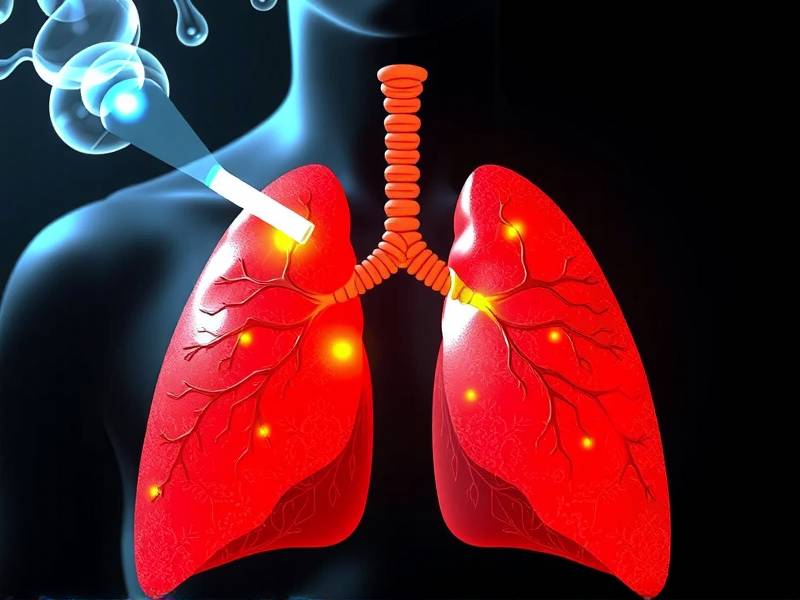
The Healing Process: The healing process varies from person to person, but research suggests that your lungs can start recovering within a few weeks after quitting smoking.
-
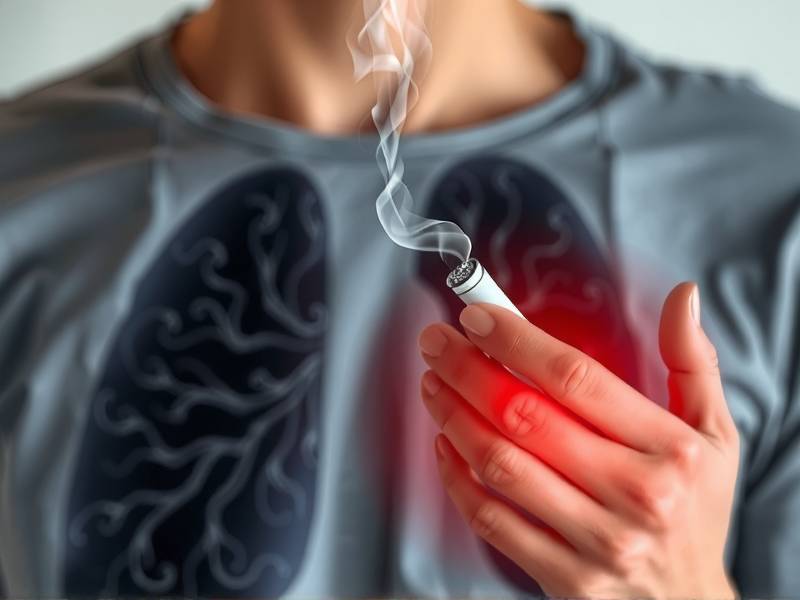
Immediate Benefits: Within hours of quitting smoking, your blood pressure and pulse rate begin to return to normal levels. Carbon monoxide levels in your blood drop significantly, allowing your body to use oxygen more efficiently.
-
One Month After Quitting: After about one month of not smoking, your lung function may start to improve. You may notice an increase in energy levels and a decrease in shortness of breath.
-
Three to Nine Months After Quitting: During this period, inflammation and cilia regeneration occur in your lungs. Cilia are tiny hair-like structures that help remove mucus and debris from your airways. As they regenerate, you may experience a decrease in respiratory infections and an improvement in overall lung function.
-
One Year After Quitting: After one year of not smoking, the risk of heart disease is reduced by half compared to that of a smoker's risk. Your lungs continue to heal as they become more efficient at clearing out mucus and debris.
-
Five Years After Quitting: Your risk of stroke is reduced by 50% after five years of not smoking. Lung cancer risk begins to decrease as well.
-
Ten Years After Quitting: Ten years after quitting smoking, your risk of dying from lung cancer is about half that of a continuing smoker's risk.
-
Twenty Years After Quitting: Twenty years after quitting smoking, your risk of dying from lung cancer is similar to that of someone who has never smoked.
Conclusion: The journey towards healthy lungs after quitting smoking can take several years but is worth every effort. Understanding the healing process can provide motivation for those struggling with nicotine addiction and reinforce the importance of making this life-changing decision.
Remember that quitting smoking has immediate benefits for both your heart and lungs, so take that first step today! For additional support on quitting smoking or if you're experiencing symptoms related to lung damage due to previous smoking habits, consult with healthcare professionals or visit reputable websites such as [insert authority website here] for more information on improving lung health post-quit.