
Is It Hard to Quit Smoking Weed Cold Turkey? A Guide to Effective Methods
Understanding the Challenge
Quitting smoking weed can be a challenging endeavor, especially when considering the abrupt cessation method known as "cold turkey." This approach involves stopping smoking without any form of gradual reduction or substitution. For many, this can seem daunting, but understanding the process and having effective strategies in place can make it more manageable.
Why is Quitting Cold Turkey Challenging?
Physical Symptoms
One of the primary reasons quitting cold turkey is challenging is due to the physical symptoms that may arise. These include anxiety, irritability, insomnia, and increased appetite. These symptoms are a result of withdrawal from THC, the psychoactive compound in cannabis.
Psychological Factors
Beyond physical symptoms, psychological factors play a significant role. Many people find it difficult to quit because they associate smoking weed with social activities or stress relief. Breaking these habits can be particularly difficult.
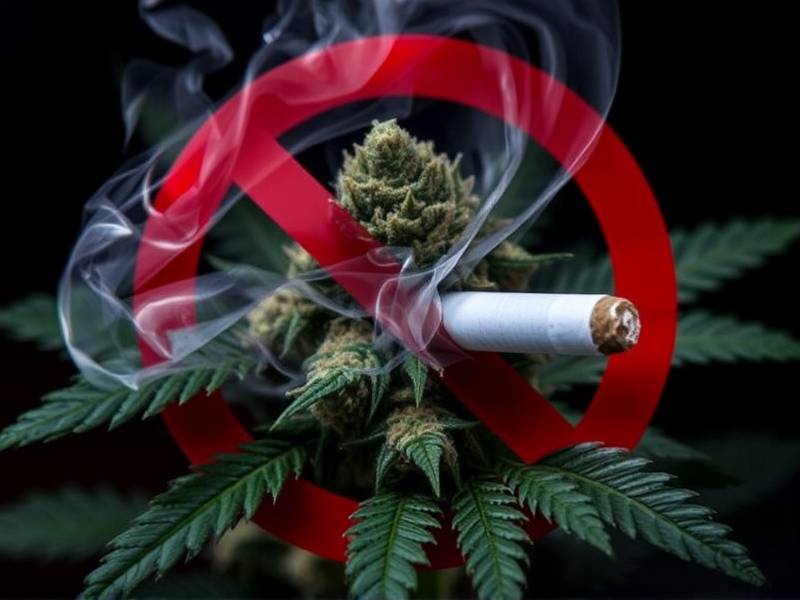
Effective Methods for Quitting Cold Turkey
Develop a Strong Support System
Having a support system is crucial when quitting cold turkey. This could include friends, family, or support groups dedicated to cannabis cessation. Sharing your struggles and celebrating milestones can provide motivation and emotional support.
Gradual Reduction Strategy
Instead of quitting cold turkey, consider a gradual reduction strategy. Start by reducing your consumption frequency and slowly decrease your dosage over time. This method allows your body to adjust more gradually to lower levels of THC.

Alternative Coping Mechanisms
Identify healthy alternatives for managing stress or boredom that may have previously been associated with smoking weed. Activities like exercise, meditation, or hobbies can be great substitutes.
Consider Professional Help
Seeking help from a healthcare professional or therapist specializing in substance use disorders can provide additional tools and coping strategies tailored to your needs.
Utilize Behavioral Techniques
Behavioral techniques such as mindfulness meditation and cognitive-behavioral therapy (CBT) can help you manage cravings and address underlying issues contributing to continued use.
The Role of Medication
In some cases, medication may be prescribed by a healthcare provider to help manage withdrawal symptoms. Consult with a professional about potential options that might be suitable for you.
Staying Motivated and Committed
Staying motivated is key when quitting cold turkey. Set clear goals for yourself and track your progress regularly. Celebrate small victories along the way to maintain momentum.
Conclusion
Quitting smoking weed cold turkey presents its challenges but is not impossible with the right strategies in place. By understanding the process, seeking support, developing alternative coping mechanisms, and staying committed to your goals, you can increase your chances of success in this significant life change.
Remember that everyone's journey is unique, so adapt these methods according to what works best for you. With persistence and determination, quitting cold turkey can become an achievable goal on your path toward a healthier lifestyle.