Why Do You Get Fat After Quitting Smoking? The Science Behind the Weight Gain
Why Do You Get Fat After Quitting Smoking? The Science Behind the Weight Gain
Introduction: Quitting smoking is a significant step towards a healthier lifestyle. However, many individuals experience weight gain after quitting. This article delves into the science behind this phenomenon, providing insights into why it happens and what can be done to manage it.
Section 1: The Impact of Smoking on Weight Smoking has long been associated with weight loss. Nicotine, a substance found in cigarettes, acts as an appetite suppressant and increases the body's metabolism. As a result, smokers tend to consume fewer calories and maintain a lower body weight compared to non-smokers.
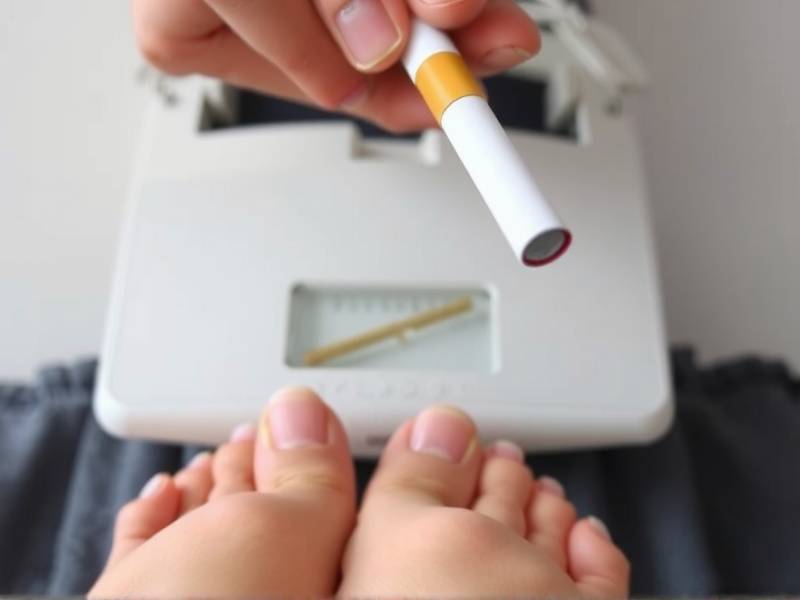
Section 2: The Body's Response to Quitting Smoking When individuals quit smoking, their bodies undergo several changes that can lead to weight gain. One of the primary factors is the reduction in nicotine levels, which causes an increase in appetite. Additionally, the body's metabolism slows down as it adjusts to the absence of nicotine.
Subsection 2.1: Increased Appetite As mentioned earlier, nicotine acts as an appetite suppressant. When you quit smoking, your body craves more food due to the decrease in nicotine levels. This increase in appetite can lead to overeating and subsequent weight gain.
Subsection 2.2: Slower Metabolism The metabolism of former smokers tends to slow down after quitting smoking. This change can make it more challenging for individuals to maintain their previous weight level.
Section 3: Strategies for Managing Weight Gain After Quitting Smoking While weight gain is common after quitting smoking, there are several strategies you can employ to manage it:
Subsection 3.1: Adopting a Balanced Diet A balanced diet rich in fruits, vegetables, lean proteins, and whole grains can help you maintain a healthy weight while managing cravings.
Subsection 3.2: Regular Physical Activity Engaging in regular physical activity can boost your metabolism and help you burn more calories. Activities such as walking, jogging, cycling, or swimming are excellent choices for maintaining a healthy weight.
Subsection 3.3: Stress Management Techniques Stress can contribute to overeating and weight gain after quitting smoking. Learning stress management techniques such as meditation, deep breathing exercises, or yoga can help reduce stress levels and prevent emotional eating.
Conclusion: Weight gain is a common concern among individuals who quit smoking. Understanding the science behind this phenomenon allows us to take proactive steps towards managing our weight effectively while enjoying the numerous health benefits of quitting smoking.