
How to Clear Your Lungs When You Quit Smoking: Effective Methods for Better Health
Introduction
Quitting smoking is a significant step towards improving your health. However, the journey doesn't end there. Many smokers experience discomfort and congestion in their lungs after quitting. This article outlines effective methods to clear your lungs and improve your respiratory health.
Understanding the Impact of Smoking on Lungs
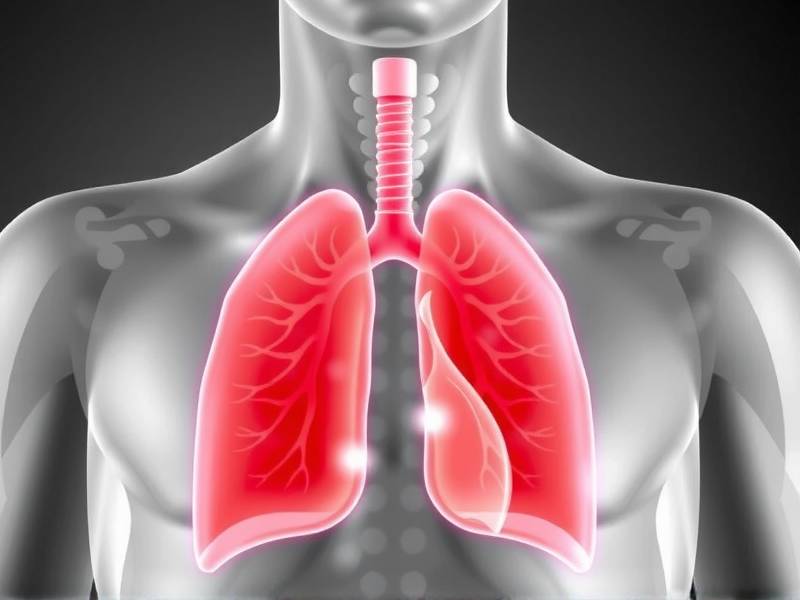
Smoking introduces numerous harmful chemicals into your lungs, causing inflammation, damage, and a buildup of mucus. When you quit, your body begins to heal, but it can take time for your lungs to clear out the accumulated debris.
Step-by-Step Guide to Clearing Your Lungs
1. Increase Fluid Intake
Drinking plenty of water helps thin the mucus in your lungs, making it easier to expel. Aim for at least 8 glasses of water per day.
2. Practice Deep Breathing Exercises
Deep breathing exercises can improve lung capacity and promote relaxation. Try the following:
- Pursed Lip Breathing: Inhale slowly through your nose, then exhale through pursed lips as if you were whistling.
- Diaphragmatic Breathing: Place one hand on your chest and the other on your abdomen. Inhale deeply through your nose, feeling your abdomen expand first before your chest.
3. Use a Humidifier
Humidity helps keep mucus loose and easier to cough up. Using a humidifier in dry indoor environments can be beneficial.
4. Steam Therapy
Steam therapy involves inhaling warm, moist air from a bowl of hot water or a steam inhaler. It can help loosen mucus and open up airways.
5. Gentle Coughing Exercises
Gentle coughing exercises can help clear mucus from the lungs without causing irritation or pain.
Alternative Therapies for Lung Clearance
In addition to conventional methods, some alternative therapies may aid in lung clearance:
1. Herbs and Supplements
Herbs like eucalyptus, peppermint, and turmeric have been shown to support lung health. Consult with a healthcare professional before taking any supplements.
2. Yoga
Yoga poses that focus on breathing can help improve lung function and promote relaxation.
Monitoring Your Progress
Regular check-ups with a healthcare professional can help monitor the progress of lung healing after quitting smoking.
Conclusion
Clearing your lungs after quitting smoking is an essential part of regaining respiratory health. By incorporating these effective methods into your routine, you can accelerate the healing process and enjoy improved overall well-being.
Remember that patience is key; it may take time for your lungs to fully recover from years of smoking exposure. Stay committed to a smoke-free lifestyle and continue exploring ways to enhance lung function for long-term health benefits.