
Is Laser Therapy to Quit Smoking Safe?
Is Laser Therapy to Quit Smoking Safe? A Comprehensive Guide
Introduction: Quitting smoking is a challenging endeavor, and many individuals seek alternative methods to overcome their addiction. One such method gaining popularity is laser therapy. But is it safe? In this article, we will delve into the safety aspects of laser therapy for smoking cessation, providing you with a well-rounded understanding of its efficacy and potential risks.
What is Laser Therapy? Laser therapy, also known as cold laser therapy or low-level laser therapy (LLLT), involves using low-power lasers to stimulate specific points on the body. Proponents claim that this method helps alleviate withdrawal symptoms and reduce cravings, ultimately aiding in smoking cessation.
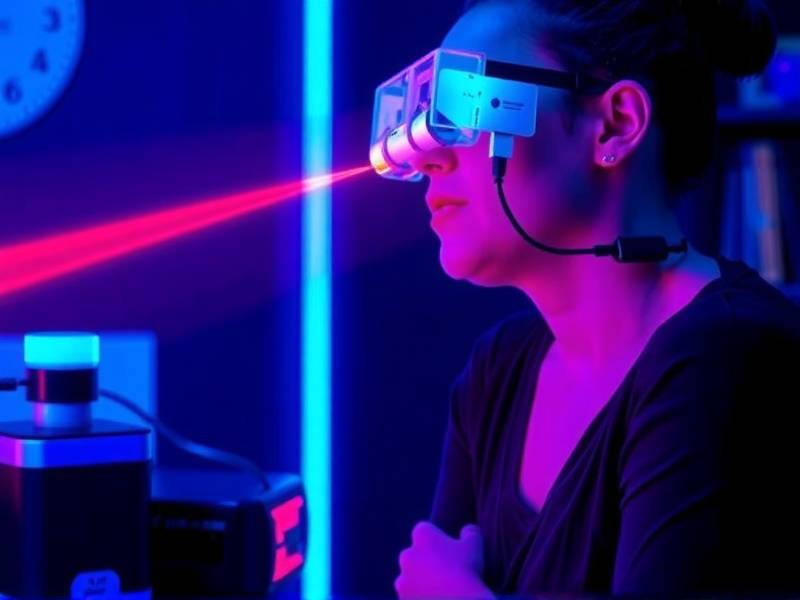
Is Laser Therapy Safe? Research indicates that laser therapy for smoking cessation is generally safe for most individuals. However, like any treatment, it's essential to consider potential risks and side effects.
-
Limited Evidence: While some studies suggest that laser therapy may be effective in reducing smoking cravings and withdrawal symptoms, the evidence remains limited. More research is needed to establish its long-term efficacy and safety profile.
-
Minimal Side Effects: Most individuals who undergo laser therapy experience minimal side effects, if any. Commonly reported side effects include minor discomfort or redness at the treatment sites. These side effects typically resolve quickly without requiring medical intervention.
-
No Interaction with Medications: Laser therapy does not interact with medications commonly used in smoking cessation treatments, making it a suitable option for those who may have contraindications to other methods.
-
Non-Invasive Procedure: Laser therapy is a non-invasive procedure that does not involve surgery or the use of harmful substances. This aspect makes it an attractive option for those seeking a safer alternative to traditional smoking cessation methods.
-
Professional Oversight: To ensure safety and efficacy, it's crucial to undergo laser therapy under the guidance of a qualified healthcare professional who has experience in this field.
Conclusion: In conclusion, laser therapy appears to be a safe option for individuals seeking to quit smoking. While more research is needed to establish its long-term effectiveness, the available evidence suggests minimal risks and side effects. If you are considering laser therapy as a means of quitting smoking, consult with a healthcare professional who can provide personalized advice based on your specific needs.
Remember that quitting smoking requires dedication and commitment. Laser therapy can be an additional tool in your arsenal, but combining it with other strategies such as nicotine replacement therapies or behavioral support can enhance your chances of success.
Note: This article aims to provide general information about laser therapy for smoking cessation and should not replace professional medical advice. Always consult with your healthcare provider before starting any new treatment regimen.