
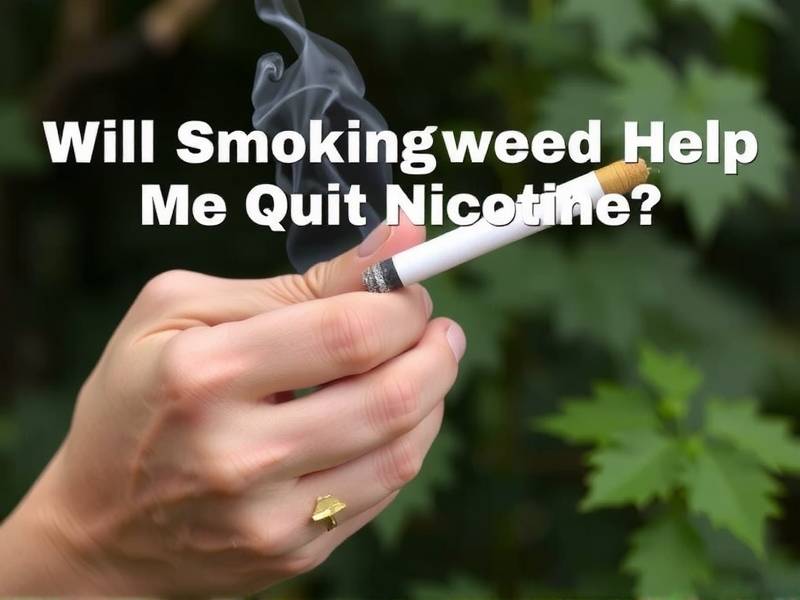
Will Smoking Weed Help Me Quit Nicotine?
Introduction: The Quest for a Smoke-Free Life
In the ongoing battle against nicotine addiction, many individuals are exploring unconventional methods to quit smoking. One such method that has sparked considerable debate is the use of cannabis, or weed. The question on everyone's mind is: Will smoking weed help me quit nicotine? Let's delve into this topic and uncover the facts.
The Theory Behind It
Proponents of using weed to quit nicotine argue that the psychoactive component in cannabis, THC, can reduce cravings and alleviate withdrawal symptoms. They believe that weed may act as a substitute for cigarettes, providing relief from the physical and psychological aspects of nicotine addiction.
The Science: What Does Research Say?
While anecdotal evidence suggests that some individuals have found success using weed to quit smoking, scientific research on this topic is still limited. A study published in the journal Drug and Alcohol Dependence found that while cannabis may reduce cigarette consumption in some users, it does not necessarily lead to long-term quitting.

It's important to note that while THC may help alleviate withdrawal symptoms temporarily, it also has its own set of risks and side effects. Therefore, it's crucial to approach this method with caution and consider other evidence-based strategies for quitting nicotine.
Potential Risks and Side Effects
Using weed as a means to quit smoking can come with potential risks and side effects. Some of these include:
- Cognitive impairment: Cannabis can affect memory, concentration, and decision-making abilities.
- Increased risk of mental health issues: Studies have shown a correlation between cannabis use and an increased risk of developing mental health disorders such as anxiety and depression.
- Physical health concerns: Long-term cannabis use has been linked to respiratory problems similar to those associated with smoking tobacco.
Alternative Strategies for Quitting Nicotine
While using weed may seem like an appealing option for some, there are several evidence-based strategies available for quitting nicotine:
- Behavioral therapy: Working with a therapist or counselor can help you develop coping skills and address underlying issues contributing to your addiction.
- Nicotine replacement therapy (NRT): Products like patches, gum, lozenges, inhalers, and nasal sprays provide controlled doses of nicotine without the harmful effects of smoking.
- Medications: Prescription medications such as varenicline (Chantix) or bupropion (Zyban) have been shown to be effective in helping people quit smoking.
Conclusion: Weighing the Options
The question of whether smoking weed will help you quit nicotine remains unanswered by current scientific research. While some individuals may find temporary relief from cravings using this method, it's essential to consider the potential risks and side effects associated with cannabis use.
Before deciding on any quitting strategy, consult with healthcare professionals who can provide personalized advice based on your specific situation. Remember that there are several evidence-based methods available for quitting nicotine without resorting to unconventional options like using weed.