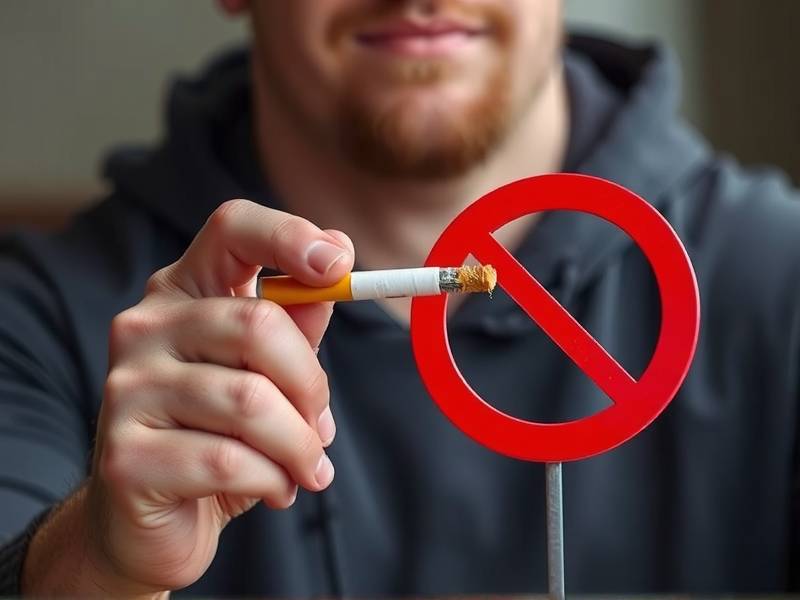
How Can I Quit Smoking On My Own? Effective Tips and Strategies
Introduction: The Journey to a Smoke-Free Life
Embarking on the journey to quit smoking is a significant step towards improving your health and well-being. Many people find the idea of quitting daunting, but with the right strategies and mindset, you can achieve a smoke-free life. In this article, we will explore effective tips and strategies to help you quit smoking on your own.
Understanding Your Smoking Habit
Before you start your journey, it's essential to understand your smoking habit. Ask yourself why you smoke and what triggers your cravings. Identifying these factors will help you develop personalized strategies to overcome them.
Identify Triggers
Common triggers for smoking include stress, social situations, or even boredom. By recognizing these triggers, you can prepare yourself to handle them effectively.

Assess Your Motivation
Understanding why you want to quit is crucial. Whether it's for your health, finances, or personal goals, having a clear motivation can keep you focused and determined.
Building a Strong Foundation
Once you have a clear understanding of your smoking habit, it's time to build a strong foundation for quitting.
Set Realistic Goals
Set achievable goals for yourself. Start with short-term goals (e.g., one week without smoking) and gradually work towards longer-term goals (e.g., one month without smoking).
Develop a Support System
Surround yourself with supportive friends and family members who will encourage and motivate you throughout your journey. Consider joining support groups or seeking professional help if needed.
Effective Strategies for Quitting Smoking
Now that you have a solid foundation in place, let's dive into some effective strategies to help you quit smoking on your own.
Replace Smoking Habits with Healthy Alternatives
Find healthy alternatives to replace smoking habits. This could include exercise, meditation, or even engaging in hobbies that keep your hands busy (like knitting or playing an instrument).
Utilize Nicotine Replacement Therapy (NRT)
If nicotine withdrawal is challenging for you, consider using NRT products like gum, patches, lozenges, or inhalers. These products provide controlled nicotine doses without the harmful effects of tobacco smoke.
Practice Mindfulness Techniques
Mindfulness techniques such as deep breathing exercises or meditation can help reduce cravings and improve overall mental well-being.
Stay Consistent and Persistent
Quitting smoking is not an easy task; it requires consistency and persistence. Here are some tips to help you stay on track:
Track Your Progress
Keep a journal of your progress and celebrate small victories along the way. This will motivate you to continue moving forward.
Stay Positive
Maintain a positive mindset by reminding yourself of the benefits of quitting smoking. Visualize how much better your health will be in the long run.
Avoid Relapse Triggers
Be mindful of situations that may trigger cravings or relapse into old habits. Avoid these triggers as much as possible until you feel more confident in managing them.
Conclusion: Embrace Your Smoke-Free Future
Quitting smoking on your own is possible with the right approach and mindset. By understanding your habits, building a strong foundation, employing effective strategies, staying consistent, and maintaining positivity throughout the process – you can achieve success in leading a smoke-free life.
Remember that it may take several attempts before finding what works best for you. Be patient with yourself as this journey is unique for everyone who decides to take it. Embrace this opportunity for transformation – both physically and mentally – by taking charge of your health today!