
When Does Your Breathing Get Better After Quitting Smoking?
The Journey to Improved Breathing: When Does It Begin Post-Quitting Smoking?
Introduction: The decision to quit smoking is a significant step towards a healthier life. One of the most immediate benefits smokers often look forward to is the improvement in their breathing. But when does this change actually start to become noticeable? In this article, we delve into the timeline of breathing improvement after quitting smoking, offering insights from both scientific research and real-life experiences.
How Smoking Impairs Breathing
Firstly, it's important to understand how smoking affects your respiratory system. The harmful chemicals in cigarettes can cause inflammation and damage to the lungs, leading to reduced lung capacity and increased difficulty in breathing. Smokers often experience symptoms like shortness of breath, coughing, and wheezing.
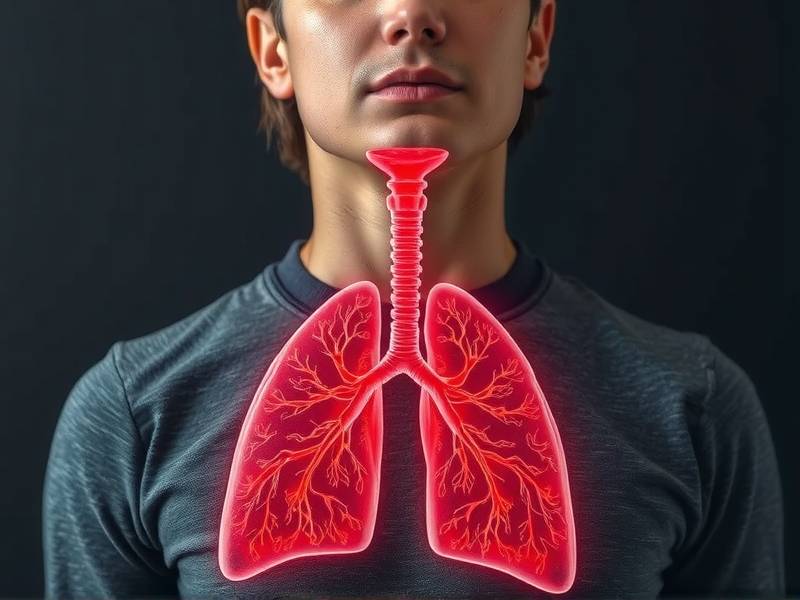
Immediate Changes Post-Quitting
Upon quitting smoking, you may start noticing immediate changes in your breathing. These include:
1. Less Shortness of Breath: Within just a few days after quitting, you might find that you're able to breathe more easily during physical activities that previously left you gasping for air.
2. Reduced Coughing: The persistent cough that often accompanies smoking is one of the first signs that your body is healing. This usually diminishes within a few weeks post-quit.
The First Month: Clearing Out the Lungs
During the first month after quitting, your lungs begin to clear out the accumulated tar and mucus from years of smoking. You may notice:
1. Improved Lung Function: Lung function tests typically show improvements within three months of quitting, with continued progress over time.
2. Enhanced Airflow: Breathing becomes less labored as the airways begin to relax and clear.
Three Months Onward: A New Sense of Freedom
After about three months without cigarettes, many former smokers report a noticeable difference in their breathing:
1. Increased Endurance: You should be able to engage in physical activities with greater ease than before.
2. Reduced Wheezing and Coughing: These symptoms should continue to decrease as your lungs heal further.
One Year Later: A Stronger Lung Capacity
One year after quitting smoking, your lung capacity can be significantly improved compared to when you were smoking:
1. Enhanced Oxygen Intake: Your lungs are better at taking in oxygen and distributing it throughout your body.
2. Decreased Risk of Chronic Conditions: The risk of developing chronic respiratory diseases like COPD (Chronic Obstructive Pulmonary Disease) decreases as your lungs recover.
Long-Term Benefits
Continued abstinence from smoking leads to long-term improvements in lung health:
1. Slower Rate of Lung Function Decline: Your lungs will age more slowly than they would have if you continued smoking.
2. Reduced Risk of Cancer and Other Health Issues: As your body continues its healing process, the risk of various cancers and other health issues related to smoking decreases over time.
Conclusion: The journey towards better breathing after quitting smoking is gradual but rewarding. By understanding the timeline for these improvements, you can stay motivated and focused on maintaining a smoke-free lifestyle for long-term health benefits. Remember that every day without a cigarette brings you one step closer to enjoying improved lung function and overall well-being.