
Can You Still Get Lung Cancer Even If You Quit Smoking?
Understanding the Risk of Lung Cancer After Quitting Smoking
The decision to quit smoking is a significant step towards a healthier lifestyle. However, many former smokers wonder if they are still at risk of developing lung cancer, even if they have stopped smoking. This article aims to shed light on this concern, discussing the risks and what you can do to minimize them.
The Persistent Risk: Why Quitting Isn't Always Enough
It's a common misconception that quitting smoking immediately reduces the risk of lung cancer to that of a nonsmoker. While it's true that quitting smoking significantly reduces the risk over time, it doesn't eliminate it entirely. The reason lies in the long-term damage caused by smoking.
The Impact of Smoking on Your Lungs
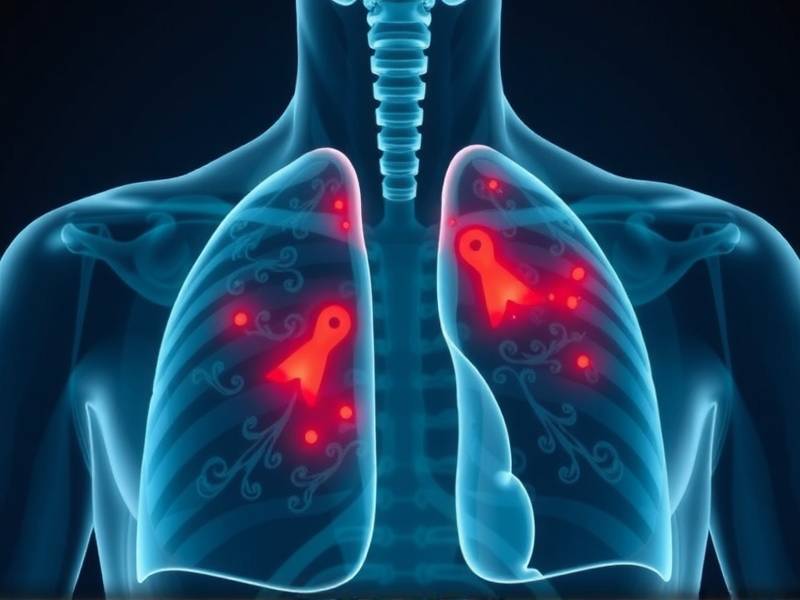
Smoking causes significant damage to the lungs over time. The chemicals in tobacco smoke can inflame and scar lung tissue, leading to chronic obstructive pulmonary disease (COPD) and increasing the risk of lung cancer. Even after quitting, these changes may not fully reverse.
Time and Cumulative Exposure
The length of time you smoked and the amount of tobacco you consumed play crucial roles in determining your risk. Quitting at any age is beneficial, but earlier is better. Additionally, cumulative exposure—how much smoke you've been exposed to over your lifetime—also affects your risk.
Reducing Your Risk: What You Can Do
While quitting smoking is a crucial step, there are other measures you can take to reduce your risk:
Regular Check-ups
Regular medical check-ups can help detect early signs of lung cancer or other respiratory conditions. Early detection is key in treating lung cancer effectively.
Healthy Lifestyle Choices
Maintaining a healthy lifestyle can also help mitigate some risks associated with past smoking habits. This includes eating a balanced diet rich in fruits and vegetables, staying active, and avoiding secondhand smoke.
Staying Informed
Staying informed about your health risks and how they change as you age is important. Keep up with medical research on lung health and discuss any concerns with your healthcare provider.
Conclusion: The Importance of Awareness
In conclusion, while quitting smoking significantly reduces your risk of developing lung cancer, it doesn't eliminate it entirely. Being aware of this persistent risk is essential for taking proactive steps towards maintaining good health. By staying informed and adopting a healthy lifestyle, former smokers can further reduce their chances of developing lung cancer or other respiratory conditions.
Remember, it's never too late to start taking control of your health. If you haven't already quit smoking, consider doing so today for a healthier future.