
Can't Sleep? Quit Smoking Today!
Can't Sleep? Quit Smoking Today!
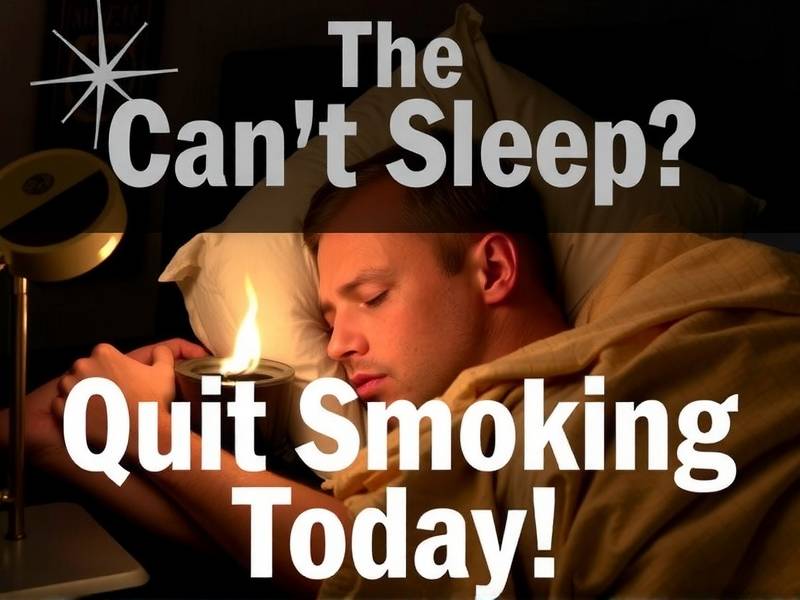
Introduction: Do you find yourself tossing and turning at night, unable to get a good night's sleep? You might be surprised to learn that smoking could be the culprit behind your sleepless nights. In this article, we will explore the relationship between smoking and sleep disorders, and why quitting smoking today could be the key to a peaceful night's rest.
The Impact of Smoking on Sleep
-
Disrupted Sleep Cycles: Smoking affects the body's natural sleep-wake cycle, making it harder for individuals to fall asleep and stay asleep throughout the night. The nicotine in cigarettes is a stimulant that can keep your mind active and prevent you from drifting off into a restful slumber.
-
Increased Risk of Sleep Apnea: Smokers are more likely to develop sleep apnea, a condition characterized by pauses in breathing during sleep. This can lead to fragmented sleep, daytime fatigue, and other health issues.
-
Poor Quality of Sleep: The effects of smoking on sleep go beyond just disrupted cycles; it also impacts the quality of sleep itself. Smokers tend to spend less time in deep sleep and more time in light sleep, which is not as restorative as deep sleep.
How Quitting Smoking Can Improve Your Sleep
-
Enhanced Sleep Patterns: Once you quit smoking, your body will start to repair its natural rhythms and improve your ability to fall asleep and stay asleep throughout the night.
-
Reduced Risk of Sleep Apnea: Quitting smoking can significantly lower your risk of developing sleep apnea or improve existing symptoms if you already have it.
-
Improved Quality of Sleep: As your body adjusts to life without nicotine, you'll likely experience longer periods of deep sleep and improved overall quality of rest.
Tips for Quitting Smoking
-
Set a Quit Date: Choose a date that is realistic for you and mark it on your calendar as a reminder.
-
Create a Support System: Reach out to friends, family, or support groups for encouragement and guidance throughout your journey.
-
Try Nicotine Replacement Therapy (NRT): NRT products like gum, patches, lozenges, or inhalers can help alleviate withdrawal symptoms and make quitting easier.
-
Stay Active: Exercise can help reduce cravings and improve mood during the quitting process.
Conclusion:
If you're struggling with insomnia or poor-quality sleep, consider the possibility that smoking may be contributing to your problems. By quitting smoking today, you can take an important step towards improving both your health and your quality of life. Say goodbye to restless nights and hello to peaceful slumber!