Can You Still Get Emphysema After Quitting Smoking?
Can You Still Get Emphysema After Quitting Smoking?
Introduction: Emphysema is a chronic lung disease that affects millions of people worldwide. It is commonly associated with smoking, and many smokers are eager to quit in hopes of reversing the damage. However, a common question arises: can you still get emphysema after quitting smoking? Let's explore this topic and provide you with valuable insights.
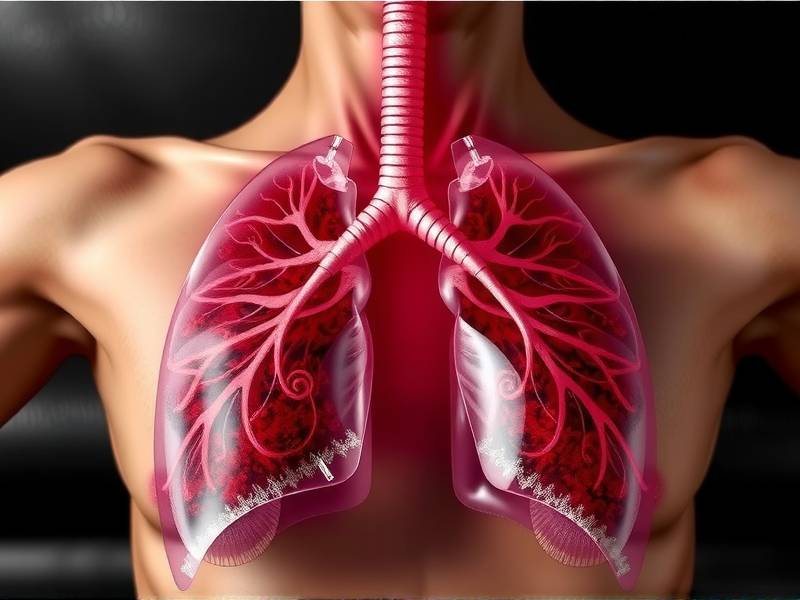
Section 1: Understanding Emphysema Emphysema is a progressive lung disease that causes the air sacs in the lungs to become damaged and lose their elasticity. This leads to symptoms such as shortness of breath, wheezing, and coughing. The primary cause of emphysema is long-term exposure to irritants, particularly tobacco smoke.
Section 2: The Impact of Quitting Smoking Quitting smoking can significantly reduce the risk of developing emphysema and slow down the progression of the disease for those who already have it. According to the American Lung Association, quitting smoking can improve lung function within a few weeks and reduce the risk of developing emphysema by up to 50% within 15 years.
Section 3: Can You Still Get Emphysema After Quitting? While quitting smoking is highly beneficial for preventing further damage to your lungs, it's essential to understand that some individuals may still develop emphysema even after quitting. Here are a few reasons why:
-
Genetic Factors: Some individuals have a genetic predisposition to developing emphysema. Even if they quit smoking, they may still be at risk.
-
Exposure to Other Irritants: If someone has been exposed to other lung irritants, such as air pollution or secondhand smoke, they may still develop emphysema.
-
Pre-existing Conditions: Individuals with pre-existing respiratory conditions may be more susceptible to developing emphysema, even after quitting smoking.
Section 4: Taking Precautions If you have quit smoking but are concerned about your risk of developing emphysema, here are some steps you can take:
-
Regular Check-ups: Schedule regular visits with your healthcare provider to monitor your lung health and identify any potential issues early on.
-
Avoid Exposure: Minimize exposure to other lung irritants by avoiding polluted areas and secondhand smoke.
-
Maintain a Healthy Lifestyle: Engage in regular physical activity, maintain a balanced diet, and avoid other harmful habits like excessive alcohol consumption or exposure to toxic substances.
Conclusion: While quitting smoking significantly reduces your risk of developing emphysema, it's important to understand that it doesn't guarantee complete protection against the disease. By taking proactive steps and maintaining a healthy lifestyle, you can further minimize your risk and promote overall lung health. Remember that it's never too late to quit smoking and start improving your health today!