
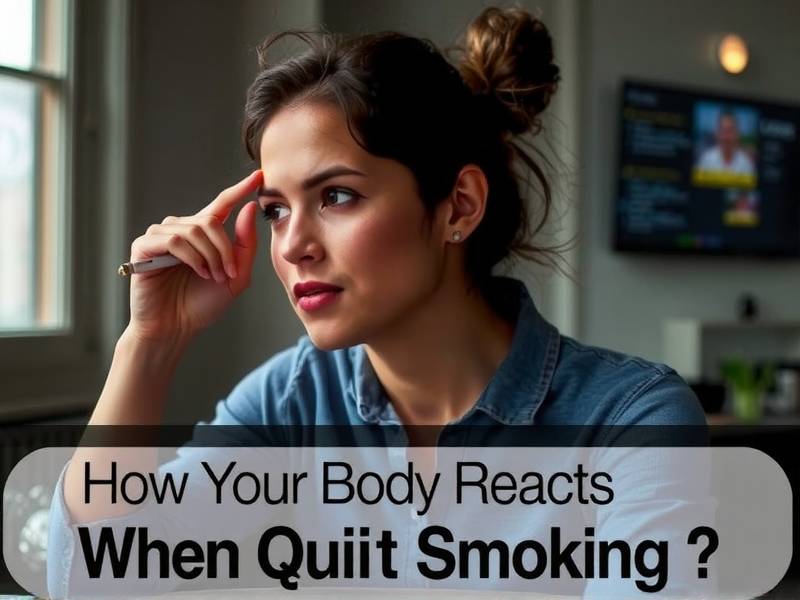
How Your Body Reacts When You Quit Smoking: The Science Behind the Physical Changes
How Your Body Reacts When You Quit Smoking: The Science Behind the Physical Changes
Introduction: Quitting smoking is a challenging endeavor, but it's one that comes with numerous health benefits. As you embark on this journey, understanding how your body reacts to the absence of nicotine can be both enlightening and motivating. This article delves into the science behind the physical changes that occur when you quit smoking.
I. Immediate Benefits of Quitting Smoking

A. Improved Oxygen Supply When you quit smoking, your blood vessels begin to dilate, allowing for improved blood flow and oxygen supply to your organs and muscles. This can lead to increased energy levels and better overall health.
B. Reduced Risk of Heart Disease Within just 24 hours of quitting smoking, your heart rate and blood pressure start to drop, reducing the risk of heart disease in the long term.
II. Short-Term Effects (First Month)
A. Coughing and Phlegm Production As your body clears out tar and mucus from your lungs, you may experience coughing and increased phlegm production. This is a sign that your respiratory system is healing.
B. Increased Appetite Your metabolism may slow down as a result of quitting smoking, leading to an increase in appetite. It's important to manage this by eating healthy meals and snacks.
III. Medium-Term Effects (1-9 Months)
A. Improved Lung Function Within three months of quitting smoking, your lung function improves significantly, making it easier to breathe during physical activity.
B. Reduced Risk of Strokes The risk of stroke decreases as your blood vessels continue to repair themselves after quitting smoking.
IV. Long-Term Effects (1 Year or More)
A. Reduced Risk of Cancer After one year of quitting smoking, your risk of developing various types of cancer begins to decrease compared to continuing smokers.
B. Improved Immune System Your immune system strengthens as a result of quitting smoking, making you more resistant to infections and diseases.
Conclusion: Understanding how your body reacts when you quit smoking can help keep you motivated on this journey towards better health. The science behind these physical changes underscores the importance of making this lifestyle change for yourself and those around you who care about you.
Remember, if you're struggling with quitting smoking, don't hesitate to seek support from healthcare professionals or join support groups dedicated to helping individuals overcome their addiction.
Note: This article aims to provide general information about the effects of quitting smoking on the body based on scientific research available at the time of writing. It is not a substitute for professional medical advice or treatment for any specific condition or concern related to tobacco use or cessation efforts.