
Does Quitting Smoking Really Improve Your Skin?
The Skin-Saving Benefits of Quitting Smoking: A Comprehensive Guide
Introduction: Smoking has long been recognized as a significant risk factor for various health issues, including heart disease, lung cancer, and respiratory problems. However, many people are still unaware of the detrimental effects it can have on their skin. In this article, we will delve into the question: Does quitting smoking really improve your skin? We will explore the science behind this claim and provide you with valuable insights.
I. The Impact of Smoking on Skin Health
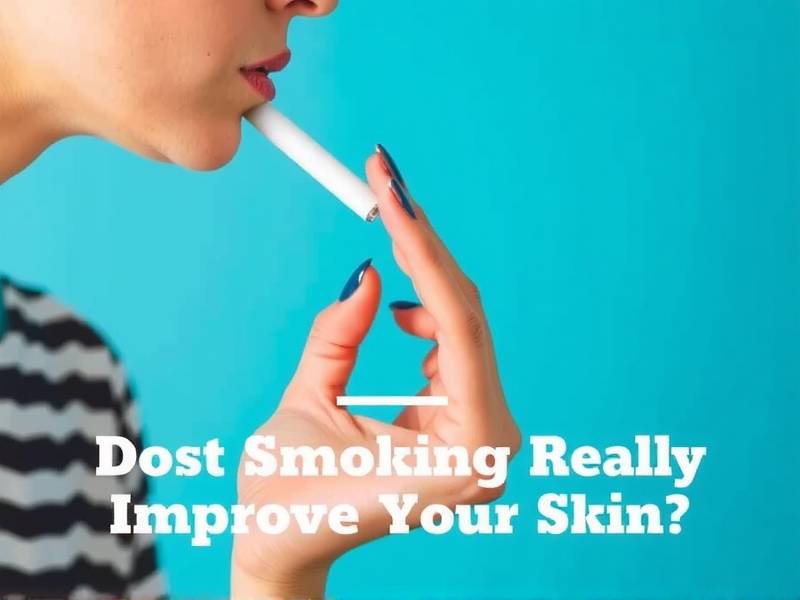
A. Free radicals and oxidative stress Smoking introduces harmful free radicals into the body, which can lead to oxidative stress. This process accelerates the aging process and contributes to the development of wrinkles and fine lines.
B. Collagen breakdown Collagen is a vital protein that keeps our skin elastic and youthful. Smoking can damage collagen fibers, leading to sagging skin and loss of elasticity.
C. Inflammation The chemicals in cigarettes cause inflammation in the body, which can exacerbate acne and other skin conditions.
II. The Benefits of Quitting Smoking for Your Skin
A. Reduced oxidative stress Quitting smoking can significantly reduce the levels of free radicals in your body, leading to a decrease in oxidative stress and slower aging.
B. Collagen repair As you continue to quit smoking, your body begins to repair damaged collagen fibers, restoring elasticity and firmness to your skin.
C. Reduced inflammation By reducing inflammation caused by smoking, quitting can help improve acne and other inflammatory skin conditions.

III. Other Health Benefits of Quitting Smoking
While improving your skin is a significant benefit of quitting smoking, it's important to note that there are numerous other health advantages:
A. Improved cardiovascular health Smokers are at a higher risk for heart disease than non-smokers. Quitting smoking can lower blood pressure and improve circulation.
B. Better respiratory function Quitting smoking can lead to improved lung function and reduced risk of respiratory infections.
C. Enhanced overall well-being Quitting smoking has been linked to better mental health, including reduced anxiety and depression symptoms.
Conclusion: In conclusion, quitting smoking can indeed improve your skin's health by reducing oxidative stress, repairing collagen fibers, and reducing inflammation. Additionally, there are numerous other health benefits associated with quitting smoking that contribute to an overall better quality of life. If you're considering quitting smoking for your skin or any other reason, know that it's never too late to start making positive changes for your health!