
How Soon Can Lung Damage Be Reversed After Quitting Smoking?
The Swift Recovery of the Lungs Post-Quitting Smoking
Introduction: The decision to quit smoking is a monumental step towards a healthier life. Many smokers are eager to know how soon they can expect their lungs to start healing after they kick the habit. This article delves into the timeline of lung recovery, providing insights into the remarkable changes that occur within just a few weeks and months following cessation.
Immediate Benefits After Quitting Smoking
1. Immediate Improvement in Oxygen Supply
Upon quitting smoking, your body begins to repair the damage caused by tobacco smoke. Within 12 hours, your blood pressure and pulse rate start to normalize, and your body's oxygen levels begin to increase.
2. Lung Function Improvement
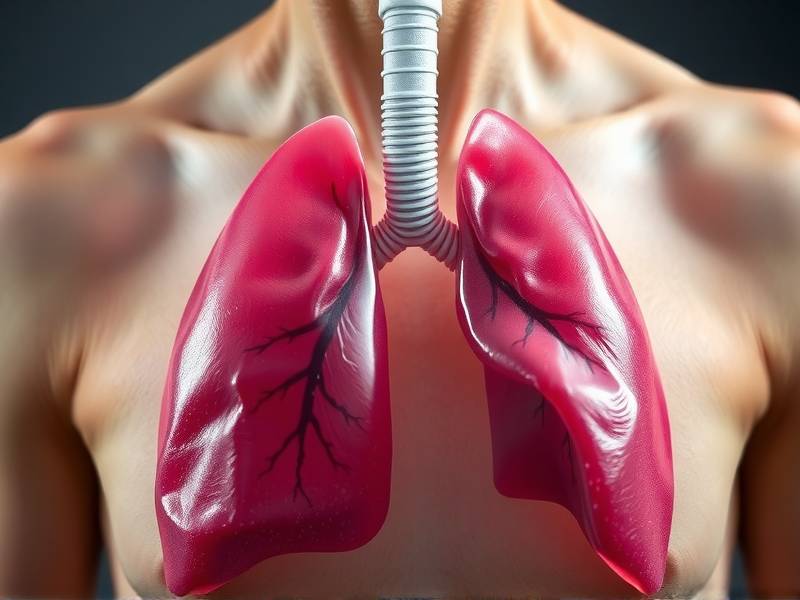
In just 48 hours, your lung function starts to improve as the cilia in your lungs, which help clear mucus and debris, begin to regain their function.
Early Recovery: Weeks 1-3
3. Reduced Inflammation and Coughing
Within three weeks of quitting, inflammation in your lungs decreases significantly, leading to reduced coughing and shortness of breath.
4. Enhanced Taste and Smell
Your sense of taste and smell often improve within a month as the olfactory receptors in your nose recover from the irritation caused by smoke.
Moderate Recovery: Weeks 4-9
5. Decreased Risk of Heart Disease
After about three months, your heart disease risk starts to decline as blood circulation improves.
6. Continued Lung Function Improvement
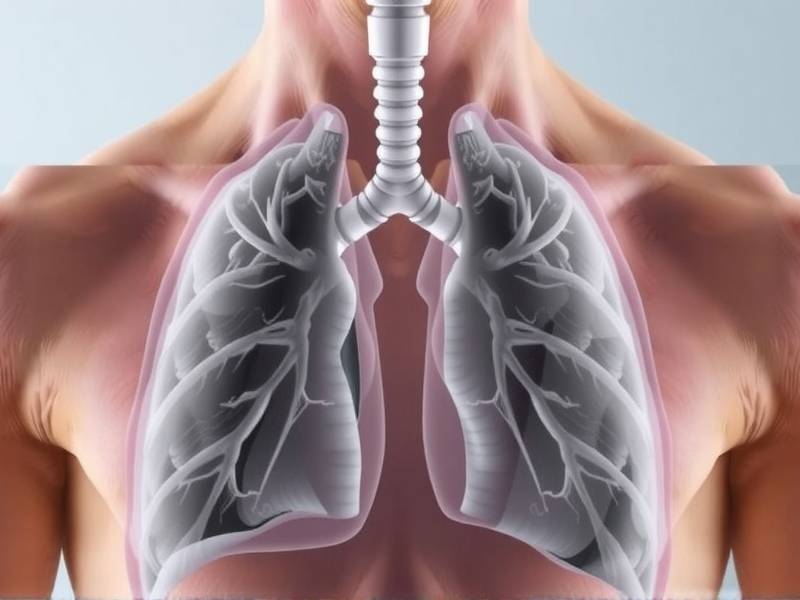
Your lung function continues to improve during this period, with more efficient exchange of oxygen and carbon dioxide.
Substantial Recovery: Months 10-12
7. Reduced Risk of Cancer
In one year after quitting smoking, your risk of developing cancer decreases significantly compared to continuing smokers.
8. Further Reduction in Heart Disease Risk
The risk of heart disease continues to decrease over time, reaching near that of a nonsmoker after five years or more.
Long-Term Benefits: Years Post-Quitting
9. Lower Risk for Chronic Obstructive Pulmonary Disease (COPD)
After ten years or more without smoking, you'll have reduced COPD risk compared with those who continue smoking.
Conclusion: The journey towards lung health post-quitting smoking is swift but requires patience and commitment. The immediate benefits are encouraging while long-term gains are life-altering. Embrace this journey with determination; every puff you don't take is one step closer to healthier lungs and a better quality of life.