
How Do Your Lungs Heal When You Quit Smoking?
How Do Your Lungs Heal When You Quit Smoking?
Introduction: Quitting smoking is a significant step towards improving one's health. It's a journey that begins with the decision to quit and continues as the body starts to heal. One of the most affected organs when you stop smoking is your lungs. But how exactly do they heal? Let's explore this fascinating process.
Understanding the Damage: Before we delve into the healing process, it's essential to understand the damage caused by smoking to the lungs. Smoking introduces harmful chemicals and tar into the respiratory system, leading to inflammation, scarring, and impaired lung function. These effects can lead to chronic conditions such as chronic bronchitis, emphysema, and even lung cancer.
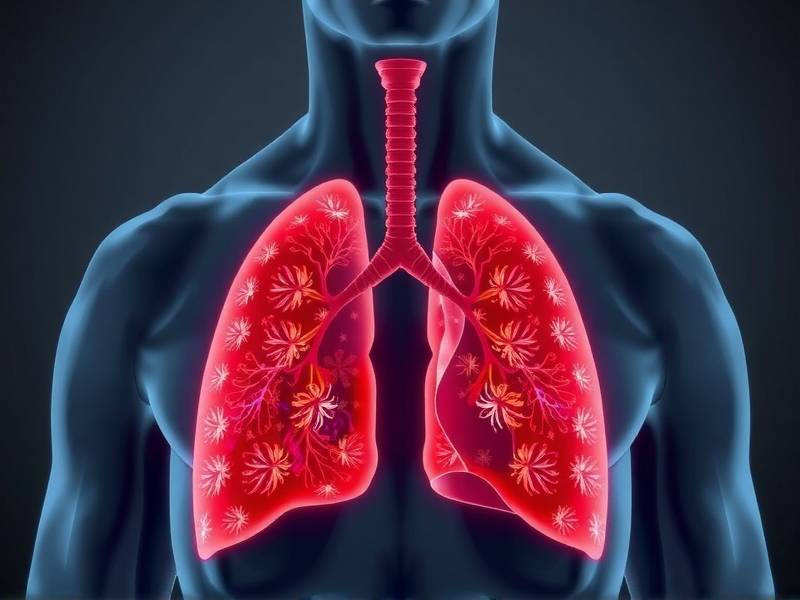
The Healing Journey Begins: When you quit smoking, your lungs start healing almost immediately. Here are some key stages of lung healing:
-
Immediate Benefits: Within minutes of quitting, your blood pressure starts to drop, and your heart rate begins to slow down. The carbon monoxide levels in your blood decrease rapidly, allowing oxygen to flow more efficiently throughout your body.
-
Improvement in Lung Function: Within a few weeks of quitting, you may notice an improvement in lung function. The cilia (small hair-like structures) in your airways start regenerating and become more effective at clearing mucus and debris from your lungs.
-
Reduced Inflammation: Over time, inflammation in your lungs decreases significantly. This leads to improved breathing capacity and a decrease in symptoms like coughing and wheezing.
-
Decreased Risk of Chronic Conditions: Continuing to quit smoking reduces the risk of developing chronic lung diseases like chronic bronchitis and emphysema. The risk of lung cancer also decreases over time.
-
Full Recovery Potential: While complete recovery may not be possible for those with severe damage or pre-existing conditions, quitting smoking maximizes your lungs' potential for healing.
Tips for Accelerating Lung Healing: Here are some tips that can help accelerate lung healing after quitting smoking:
- Stay Hydrated: Drinking plenty of water helps thin mucus and aids in clearing it from your airways.
- Exercise Regularly: Physical activity improves lung function by increasing oxygen flow.
- Avoid Exposure to Pollutants: Protect yourself from secondhand smoke, dust, pollen, and other irritants that can worsen respiratory conditions.
- Practice Deep Breathing Exercises: Techniques like diaphragmatic breathing can help improve lung capacity.
- Seek Professional Help: A healthcare provider can offer guidance on managing symptoms and support during the quitting process.
Conclusion: Quitting smoking is a crucial step towards better health for both you and your lungs. As you embark on this journey towards healing, remember that each day without a cigarette brings you closer to improved lung function and reduced risk of serious health issues.
Note: This article is intended for informational purposes only and does not substitute professional medical advice or treatment.