
Does Quitting Smoking Really Cause Toothache? A Comprehensive Look at the Evidence
Does Quitting Smoking Really Cause Toothache? A Comprehensive Look at the Evidence
Introduction: Quitting smoking is a significant step towards improving one's health, but it often comes with its own set of challenges. One common concern among smokers who are contemplating quitting is whether or not stopping smoking can lead to toothache. This article aims to delve into the evidence surrounding this issue, providing a comprehensive overview of the relationship between quitting smoking and toothache.
I. Understanding Toothache To understand whether quitting smoking can cause toothache, it is crucial to first understand what toothache is. Toothache refers to pain felt in or around the teeth and can be caused by various factors such as dental caries (cavities), gum disease, impacted wisdom teeth, or other dental issues.
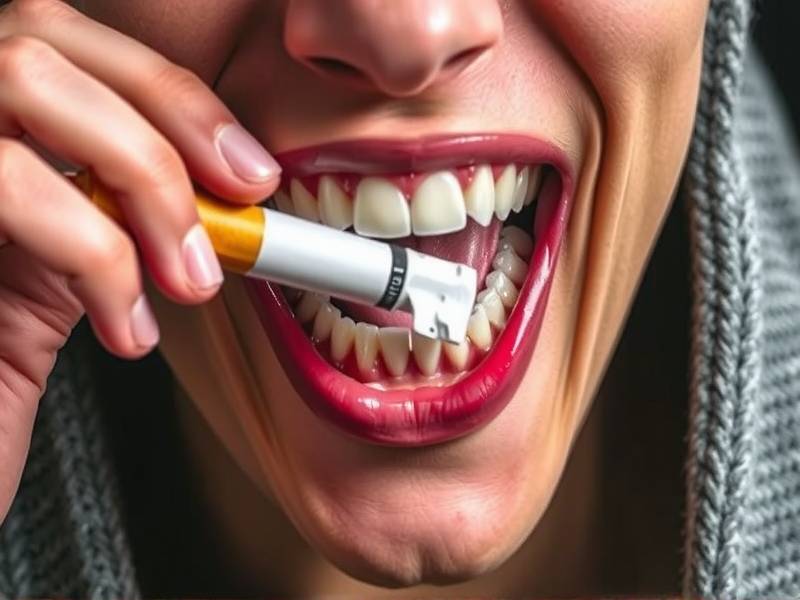
II. The Impact of Smoking on Oral Health Smoking has been proven to have a detrimental effect on oral health. The chemicals present in tobacco products can cause dry mouth, which may lead to an increased risk of dental caries and gum disease. Additionally, smoking hinders the healing process in the mouth, making it more difficult for gums to recover from inflammation and infection.
III. Quitting Smoking and Toothache: What the Evidence Says Numerous studies have been conducted to determine if quitting smoking can cause toothache. While some anecdotal evidence suggests that individuals may experience tooth sensitivity or pain after quitting, research indicates that this is not a widespread issue.

A. Short-term Effects In the short term, some individuals may experience mild discomfort or sensitivity in their teeth after quitting smoking due to changes in saliva production and inflammation reduction in the gums. However, these symptoms typically resolve within a few weeks as the body adjusts to no longer having nicotine exposure.
B. Long-term Effects Long-term studies have shown no significant association between quitting smoking and persistent toothache. In fact, many individuals who quit smoking report improvements in their oral health over time due to reduced risk of gum disease and dental caries.
IV. Managing Tooth Sensitivity After Quitting Smoking If you do experience tooth sensitivity or mild pain after quitting smoking, there are several steps you can take to manage these symptoms:
A. Brush with fluoride toothpaste: Fluoride helps strengthen tooth enamel and reduce sensitivity. B. Use a soft-bristled toothbrush: Harsh bristles can aggravate sensitive teeth. C. Avoid acidic foods and beverages: These can exacerbate sensitivity. D. Consult your dentist: They may recommend additional treatments or products to help manage your symptoms.
Conclusion: While there may be some short-term discomfort experienced by individuals who quit smoking due to changes in saliva production and inflammation reduction in the gums, there is no substantial evidence suggesting that quitting smoking causes persistent toothache. By understanding the potential challenges associated with quitting smoking and taking appropriate measures to manage any symptoms that arise, you can successfully transition away from tobacco use while maintaining good oral health.