
Is It Normal to Have Trouble Breathing After Quitting Smoking?
Navigating the Breathless Journey: Is It Normal to Struggle with Breathing Post-Quitting Smoking?
Subheading: Unveiling the Truth About Post-Quitting Smoking Breathlessness
Introduction: Embarking on the journey to quit smoking is a commendable decision that brings about a myriad of health benefits. However, one common concern that many quitters face is experiencing difficulty breathing after quitting. In this article, we delve into the reasons behind this issue and whether it is normal to have trouble breathing post-quitting smoking.
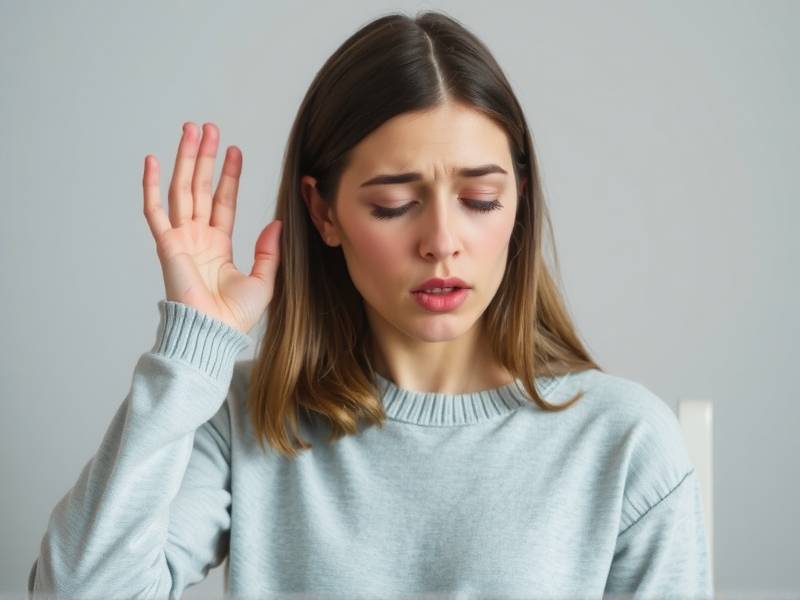
- The Science Behind Post-Quitting Smoking Breathlessness
When you quit smoking, your body undergoes significant changes as it starts to heal from the long-term damage caused by tobacco smoke. One of the most noticeable changes is the impact on lung function. Here's what happens:
- Carbon monoxide levels in your blood decrease, leading to improved oxygen supply.
- Cilia in your lungs begin to regain their normal function, clearing mucus and trapped particles.
- Inflammation in your airways reduces, resulting in easier breathing.
Despite these positive changes, some individuals may still experience temporary breathlessness. This can be attributed to several factors:

a. Nicotine Withdrawal: Nicotine, a stimulant found in tobacco products, affects your respiratory system. When you quit smoking, nicotine withdrawal can cause symptoms like increased heart rate and shallow breathing.
b. Airway Reactions: Your body may react differently to allergens or irritants after quitting smoking due to reduced inflammation.
c. Psychological Factors: Stress or anxiety related to quitting smoking can also contribute to breathlessness.
- Is It Normal?
Yes, it is normal for many individuals to experience breathlessness after quitting smoking. However, it's important to note that the duration and intensity of this symptom can vary from person to person.
While most people find that their breathing improves within a few weeks or months after quitting, some may continue experiencing temporary difficulty for up to a year or more. If you're struggling with breathlessness post-quitting smoking, here are some tips:
a. Stay Hydrated: Drinking plenty of water helps maintain healthy lung function and reduces mucus production.
b. Practice Deep Breathing Exercises: Techniques like diaphragmatic breathing can improve lung capacity and reduce shortness of breath.
c. Consult Your Healthcare Provider: If you're concerned about your breathing or if it persists for an extended period, it's essential to seek medical advice.
Conclusion:
Breathlessness after quitting smoking is a common yet temporary symptom that many individuals experience during their journey towards better health. Understanding its causes and managing it effectively can help ease your transition into a smoke-free life. Remember that patience and support from healthcare professionals are key factors in overcoming this challenge and achieving long-term success in quitting smoking.
By following these guidelines and maintaining a positive mindset, you'll be well on your way towards enjoying the numerous health benefits associated with living smoke-free!