
Does Quitting Smoking Really Cause Cramps?
Does Quitting Smoking Really Cause Cramps?
Introduction: Quitting smoking is a significant step towards a healthier life. However, many smokers experience withdrawal symptoms during the process, and one of the most common concerns is whether quitting smoking can lead to cramps. In this article, we will explore this topic and provide insights into the relationship between quitting smoking and cramps.
What Are Cramps? Cramps are sudden, involuntary contractions of muscles that cause pain. They can occur in various parts of the body, including the legs, arms, and abdomen. Cramps are often caused by dehydration, electrolyte imbalances, or overuse of muscles.
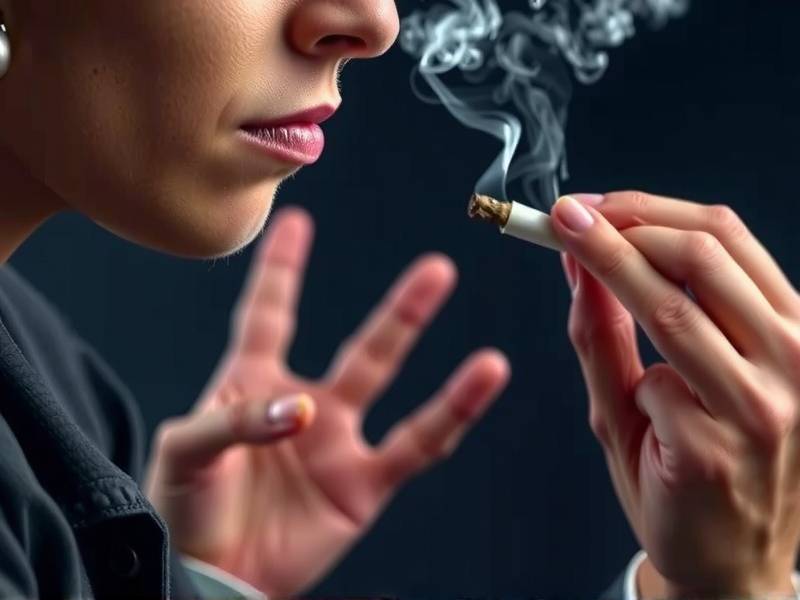
Can Quitting Smoking Cause Cramps? While it's true that quitting smoking can cause various withdrawal symptoms, including cramping in some cases, it's essential to understand the reasons behind it.
-
Nicotine Withdrawal: Nicotine is a stimulant that affects the nervous system. When you quit smoking, your body experiences nicotine withdrawal. One of the symptoms is muscle cramping due to an imbalance in neurotransmitters like acetylcholine and serotonin.

-
Dehydration: Smokers tend to consume more caffeine and alcohol than non-smokers. These substances can lead to dehydration. When you quit smoking, your body may need time to adjust to increased fluid intake and proper hydration levels.
-
Electrolyte Imbalance: Nicotine affects electrolyte levels in your body by altering potassium and calcium regulation. Quitting smoking may disrupt this balance further, leading to muscle cramps.
-
Increased Physical Activity: Many smokers experience increased energy levels after quitting, which may lead them to engage in more physical activities than usual. This increase in physical activity can strain muscles and contribute to cramping.
Tips for Managing Cramps While Quitting Smoking:
- Stay Hydrated: Drink plenty of water throughout the day.
- Maintain a Balanced Diet: Include foods rich in potassium (bananas), calcium (dairy products), and magnesium (spinach).
- Gradually Increase Physical Activity: Avoid sudden changes in exercise intensity or duration.
- Practice Relaxation Techniques: Techniques like deep breathing exercises or meditation can help reduce stress-related muscle cramps.
- Consult Your Healthcare Provider: If you experience severe or persistent cramping while quitting smoking, consult a healthcare professional for guidance.
Conclusion: While it's true that quitting smoking can cause muscle cramps in some individuals due to nicotine withdrawal and other factors mentioned above, these symptoms are usually temporary and subside as your body adjusts to life without tobacco. By staying hydrated, maintaining a balanced diet, gradually increasing physical activity, practicing relaxation techniques, and consulting with healthcare professionals if needed, you can effectively manage these symptoms while on your journey towards a smoke-free life.
Note: This article does not constitute medical advice; please consult with your healthcare provider for personalized recommendations regarding quitting smoking and managing withdrawal symptoms like muscle cramps.