
How Well Do Lungs Heal After Quitting Smoking?
The Remarkable Recovery of Lungs Post-Quitting Smoking
Introduction: The decision to quit smoking is a monumental step towards a healthier life. While the benefits of quitting are well-documented, many are often curious about how well the lungs heal after quitting smoking. This article delves into the fascinating journey of lung recovery, providing insights into the remarkable changes that occur within our respiratory system post-quitting.
I. The Immediate Impact of Quitting Smoking
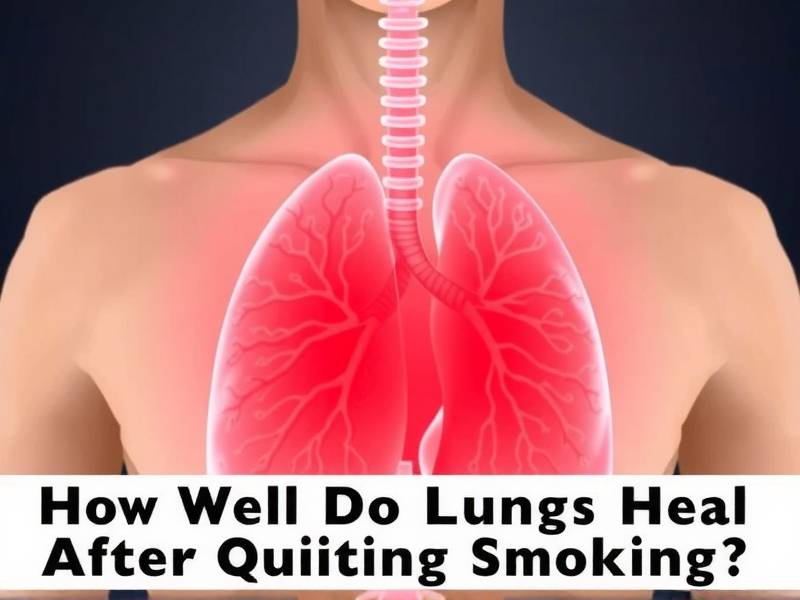
When you quit smoking, your lungs begin to heal almost immediately. Within hours, carbon monoxide levels drop, and your oxygen levels start to normalize. Over the course of a few weeks, your lung function improves significantly.
II. The Journey to Full Recovery
A. Short-Term Recovery (First Year) Within the first year of quitting, you can expect to see a substantial improvement in lung function. The risk of heart disease and stroke decreases, and your immune system strengthens.
B. Long-Term Recovery (Beyond One Year) After one year of not smoking, your risk of developing chronic obstructive pulmonary disease (COPD) is cut in half compared to that of a continuing smoker. Over time, your lungs continue to repair themselves and may even return to their pre-smoking state.
III. Factors Influencing Lung Recovery
A. Age Younger individuals tend to recover more quickly than older smokers due to their bodies' greater ability to regenerate cells.
B. Duration and Intensity of Smoking The longer you smoked and the more cigarettes you smoked daily, the longer it may take for your lungs to heal fully.
C. Overall Health Smokers with pre-existing health conditions may experience slower recovery rates than those who were healthy before taking up smoking.
IV. The Role of Lifestyle Choices
A healthy lifestyle can accelerate lung recovery post-quitting smoking:
- Regular Exercise: Helps improve lung capacity and overall fitness.
- Proper Diet: A balanced diet rich in fruits, vegetables, and whole grains supports cellular repair.
- Avoiding Exposure: Stay away from secondhand smoke and other environmental pollutants.
V. Conclusion
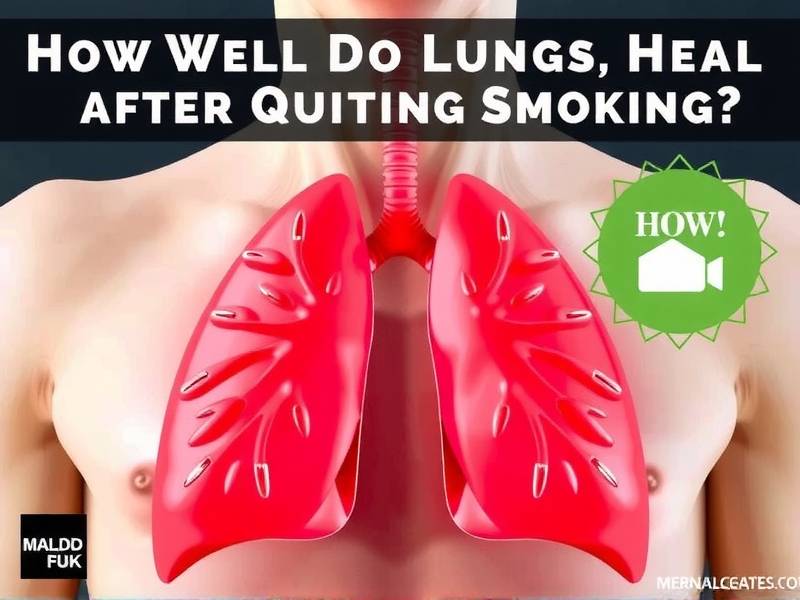
The journey towards full lung recovery after quitting smoking is both challenging and rewarding. By making informed decisions about lifestyle choices and remaining committed to staying smoke-free, you can significantly enhance your chances of experiencing a remarkable healing process within your respiratory system.
Remember that each individual's experience is unique; while some may notice immediate improvements in lung function after quitting, others might require more time for their lungs to fully recover.
In conclusion, quitting smoking is not just about breaking an addiction; it's also about giving yourself the opportunity for a healthier life with improved lung function and reduced risk of various diseases associated with tobacco use.