
Why Does My Skin Look Worse After I Quit Smoking? The Science Behind the Change
Why Does My Skin Look Worse After I Quit Smoking? The Science Behind the Change
Introduction: Quitting smoking is a significant step towards better health, but many smokers experience unexpected changes in their skin after they stop. This article delves into the science behind why your skin might look worse after quitting smoking and what you can do about it.
The Immediate Impact of Smoking on Skin
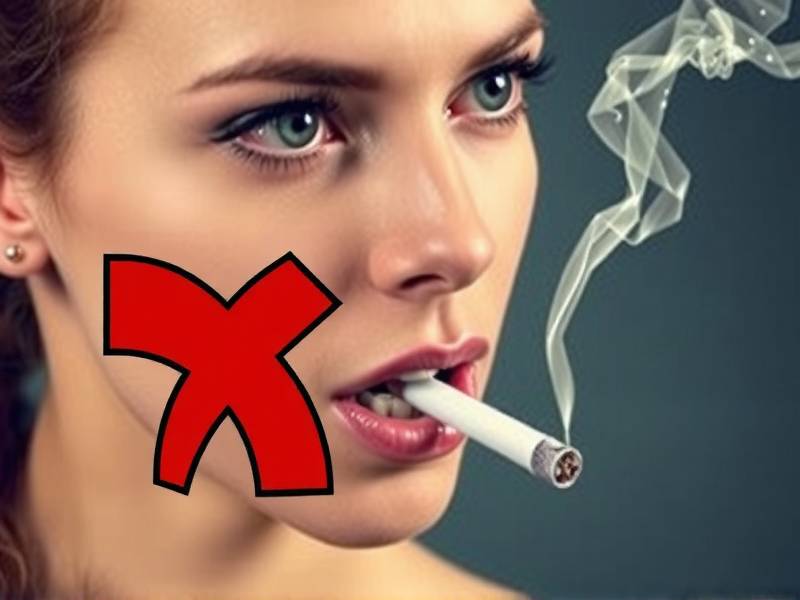
Smoking has a profound impact on the skin, leading to premature aging and various skin issues. When you quit smoking, these changes can become more noticeable due to the body's natural response to nicotine withdrawal.
1. Improved Blood Circulation
One of the primary reasons your skin may look worse after quitting smoking is improved blood circulation. While smoking constricts blood vessels, quitting allows for increased blood flow to the skin. This can initially cause redness or flushing, as your body adjusts to the change in circulation.
2. Enhanced Oxygen Supply
Quitting smoking also means your body gets more oxygen. Improved oxygen supply can lead to a healthier glow in your skin, but it can also make existing issues more apparent as the skin starts to repair itself.
3. Nicotine Withdrawal
Nicotine withdrawal can trigger a range of symptoms, including skin issues like eczema or psoriasis that may have been masked by smoking. As nicotine levels decrease in your system, these conditions may become more pronounced.
4. Hydration and Elasticity
Smoking dehydrates the skin and damages collagen and elastin fibers, leading to wrinkles and sagging. Quitting smoking allows for better hydration and helps in repairing these fibers over time, but this process can take several weeks or months.
What You Can Do to Improve Your Skin Post-Quitting Smoking
- Stay Hydrated: Drink plenty of water to help flush out toxins and keep your skin hydrated.
- Use Gentle Skincare Products: Choose products that are gentle on your skin and free from harsh chemicals.
- Protect Your Skin: Use sunscreen daily to protect against UV damage.
- Eat a Balanced Diet: A healthy diet rich in vitamins and antioxidants can help improve your skin's health.
- Get Enough Sleep: Quality sleep is essential for healthy skin regeneration.
Conclusion: While it's natural for your skin to undergo some changes when you quit smoking, these effects are temporary and will gradually improve as your body continues its healing process. By adopting healthy skincare habits and giving your body time to adjust, you'll see improvements in your skin's appearance over time.
Remember that quitting smoking has countless benefits beyond just improving your complexion—it's a vital step towards overall health and well-being.