
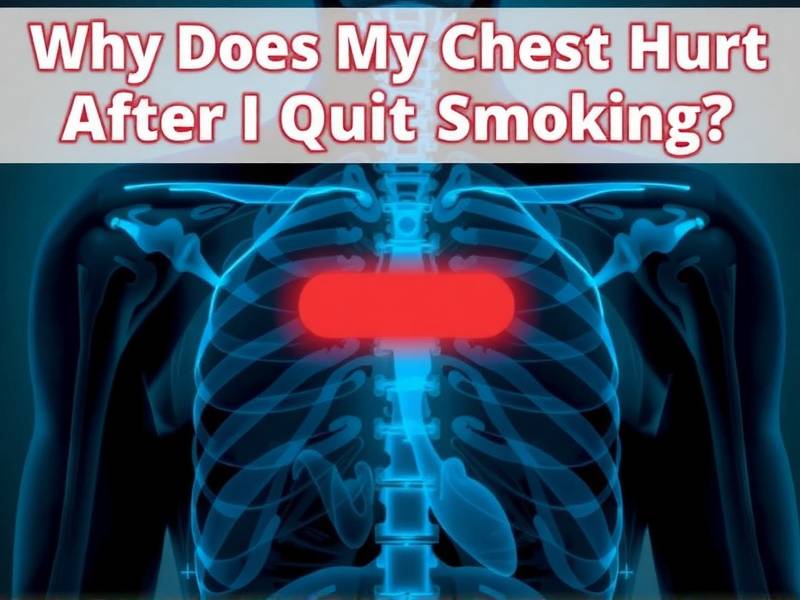
Why Does My Chest Hurt After I Quit Smoking?
Navigating the Chest Pain After Smoking Cessation: Understanding the Causes and Solutions
Introduction: Quitting smoking is a significant step towards a healthier lifestyle, but it's not uncommon to experience various withdrawal symptoms. One of the most perplexing experiences for many former smokers is chest pain following their decision to quit. This article delves into the reasons behind this phenomenon and offers insights into how to alleviate these discomforts.
Understanding the Link Between Smoking and Chest Pain
-
The Effects of Nicotine on the Body Nicotine, a key component in cigarettes, affects the body's cardiovascular system by constricting blood vessels and increasing heart rate. When you quit smoking, these changes can lead to temporary discomfort or pain in the chest area.
-
Muscle Strain As nicotine withdrawal sets in, some individuals may experience muscle tension or strain, which can manifest as chest pain. The body adjusts to the absence of nicotine, leading to physical changes that can sometimes cause discomfort.
Common Causes of Chest Pain After Quitting Smoking
-
Coughing A persistent cough often accompanies smoking cessation. This coughing can irritate the lining of your throat and chest, leading to pain or discomfort.
-
Reflux or Heartburn Gastroesophageal reflux disease (GERD) is more common in smokers and can exacerbate after quitting due to changes in stomach acid production. Heartburn and reflux can cause a burning sensation or pain in the chest.
-
Blood Clotting Changes Smokers have an increased risk of blood clots due to nicotine's effect on blood vessels. Quitting smoking can lead to changes in blood clotting that may cause chest pain if a clot forms near your heart.
-
Respiratory Reactions Your lungs are working harder as you quit smoking, clearing out tar and other debris that have accumulated over time. This process can sometimes result in inflammation or irritation that causes chest pain.

How to Manage Chest Pain After Quitting Smoking
-
Stay Hydrated Drinking plenty of water helps with cough reduction and digestion, which can alleviate some of the symptoms associated with chest pain.
-
Relaxation Techniques Practicing relaxation techniques such as deep breathing exercises, meditation, or yoga can help manage stress and muscle tension that may contribute to chest pain.
-
Gradual Cessation Methods Consider using nicotine replacement therapy (NRT) or prescription medications under medical supervision to gradually reduce your dependence on nicotine.
-
Consult Your Healthcare Provider If you experience persistent or severe chest pain after quitting smoking, it's essential to consult with a healthcare professional who can provide appropriate guidance and treatment options.
Conclusion: While it's unsettling to experience chest pain after quitting smoking, it's important to understand that these symptoms are usually temporary and part of your body's adjustment process away from tobacco use. By adopting healthy lifestyle changes and seeking medical advice when needed, you can navigate this challenging period successfully and continue on your path towards better health.