
Why Do Lungs Hurt When Quitting Smoking? The Science Behind the Pain
Why Do Lungs Hurt When Quitting Smoking? The Science Behind the Pain
Introduction: Quitting smoking is a significant step towards a healthier lifestyle. However, many individuals experience discomfort and pain in their lungs during the process. This article delves into the science behind this phenomenon, providing insights into why lungs hurt when quitting smoking.
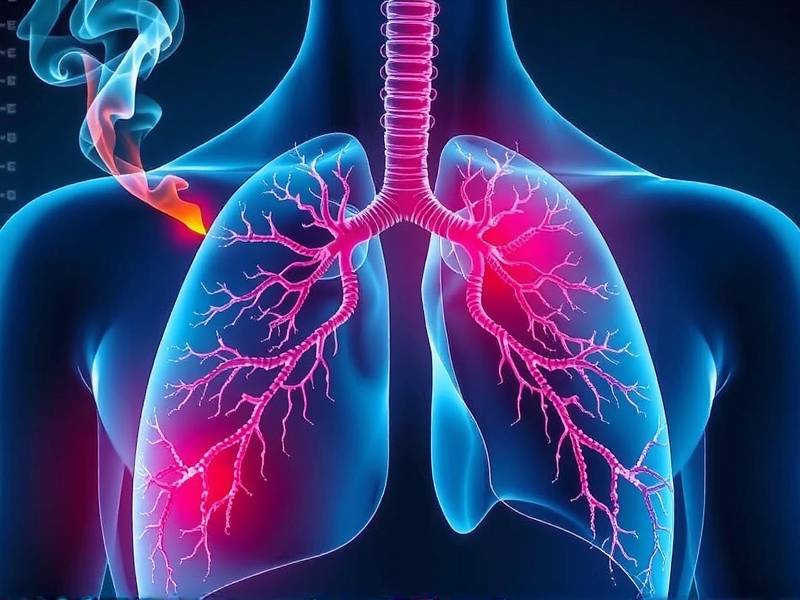
Understanding Lung Pain: When you quit smoking, your body goes through various changes. One of these changes involves the healing process of your lungs. The harmful chemicals present in cigarettes can cause inflammation and damage to lung tissue. As you stop smoking, your body starts to repair this damage, leading to temporary discomfort and pain.
-
Cigarette Tar Buildup: Cigarettes contain tar, a sticky substance that coats the walls of your airways. Over time, this buildup can lead to congestion and narrowing of the airways. When you quit smoking, your body begins to clear out this tar, causing temporary irritation and pain in the lungs.
-
Inflammation and Swelling: The chemicals in cigarettes trigger an inflammatory response in the lungs. Quitting smoking helps reduce inflammation but can also cause a temporary increase in swelling as your body works to heal itself.
-
Oxygen Supply: Smoking reduces the oxygen supply to your body's tissues, including the lungs. As you quit smoking, your lung capacity improves, but it may take time for your body to adjust to this increased oxygen flow. This adjustment period can lead to discomfort or even sharp pain in the chest area.
-
Nicotine Withdrawal: Nicotine is an addictive substance found in cigarettes that affects your brain's reward system. When you stop smoking, nicotine withdrawal symptoms can manifest as physical pain or discomfort, including chest pain or tightness.
-
Smoking-Related Conditions: Smokers are more susceptible to respiratory conditions such as chronic bronchitis or emphysema. Quitting smoking helps improve lung function but may also exacerbate existing conditions temporarily.
Tips for Managing Lung Pain During Quitting Smoking:
- Stay Hydrated: Drinking plenty of water helps flush out toxins from your body and keeps your respiratory system hydrated.
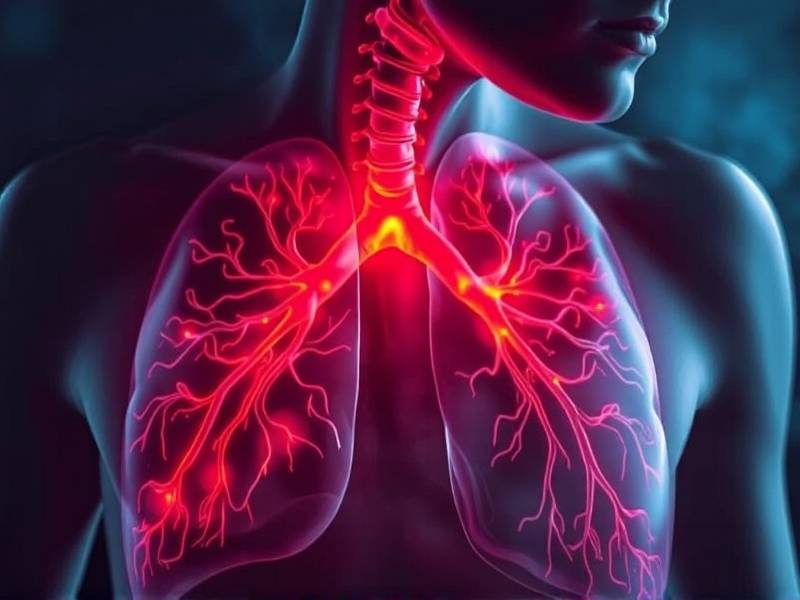
- Practice Breathing Exercises: Techniques like deep breathing or meditation can help alleviate chest pain and improve lung function.
- Engage in Physical Activity: Regular exercise increases lung capacity and promotes better oxygen flow throughout the body.
- Seek Support: Joining a support group or seeking guidance from healthcare professionals can provide emotional support and practical advice during quitting.
- Stay Committed: Remember that lung pain is a temporary phase on your journey towards better health.
Conclusion: Understanding why lungs hurt when quitting smoking can help individuals manage their discomfort more effectively. By adopting healthy habits and seeking support when needed, individuals can overcome this challenging phase and achieve long-term success in their journey towards quitting smoking for good.