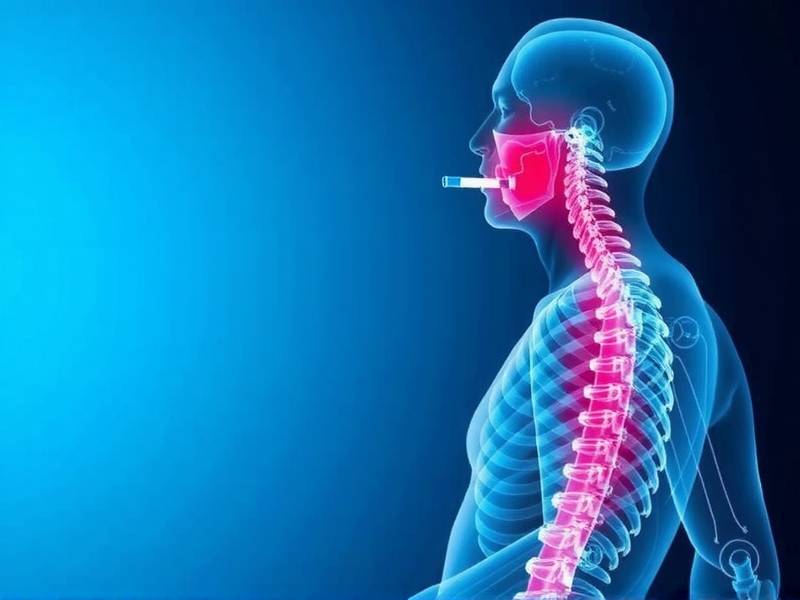
How Long Does It Take to Quit Smoking After Spinal Fusion?
Understanding Spinal Fusion
Spinal fusion is a surgical procedure used to join two or more bones in the spine together. This is typically done to correct a deformity, treat a fracture, or relieve pain from conditions such as spinal stenosis or spondylolisthesis. After this surgery, patients are often advised to follow certain lifestyle changes, including quitting smoking.
The Importance of Quitting Smoking Post-Surgery
Smoking can significantly impact the healing process after spinal fusion. The nicotine and other chemicals in cigarettes can restrict blood flow, delay wound healing, and increase the risk of infection. Therefore, quitting smoking is crucial for a successful recovery.
How Long Before Quitting Smoking?
The timeline for quitting smoking after spinal fusion can vary from person to person. Generally, most healthcare providers recommend that patients quit smoking at least two weeks before surgery and continue to be smoke-free for at least three months post-surgery.
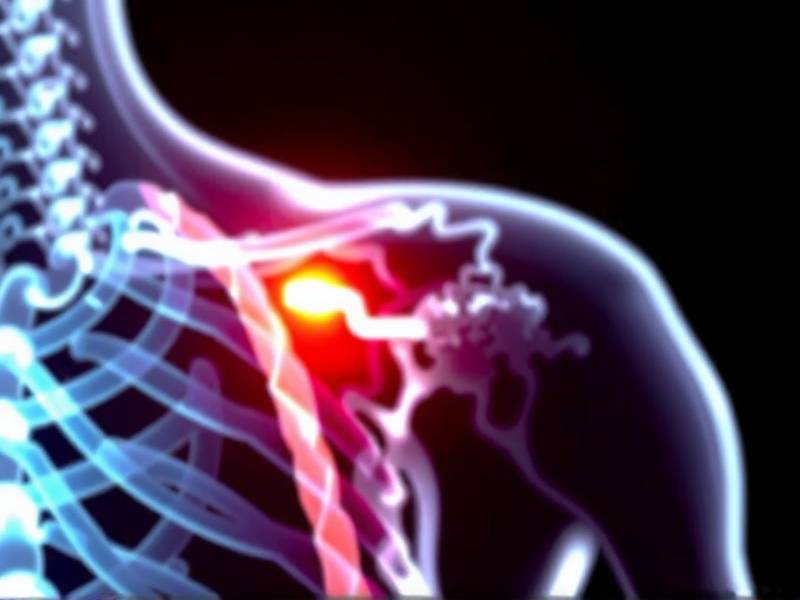
Pre-Surgery Preparation
Quitting smoking before surgery can help your body prepare for the procedure. It may reduce the risk of complications and improve overall recovery time.
Post-Surgery Healing
During the first few weeks after surgery, your body is working hard to heal. Stopping smoking during this period can help reduce the risk of infection and promote faster healing.
Long-Term Benefits
Continuing to be smoke-free for at least three months post-surgery has long-term benefits as well. It can improve overall health and reduce the risk of complications related to spinal fusion.
Strategies for Quitting Smoking
Quitting smoking can be challenging, but there are several strategies that can help:
- Seek Support: Joining a support group or seeking counseling from a healthcare professional can provide guidance and encouragement.
- Use Medications: Prescription medications like varenicline (Chantix) or bupropion (Zyban) have been shown to increase success rates.
- Nicotine Replacement Therapy (NRT): Products like nicotine gum, patches, lozenges, inhalers, and nasal sprays can help alleviate withdrawal symptoms.
- Behavioral Changes: Identify triggers that make you want to smoke and develop strategies to cope with them.
Conclusion
Quitting smoking after spinal fusion is essential for a successful recovery. While it may take some time and effort, the long-term benefits are worth it. By adopting healthy habits and seeking support when needed, you can increase your chances of quitting successfully.
Remember that it's never too late to quit smoking. Your healthcare provider can offer personalized advice and resources tailored to your specific needs. Together, you can work towards a healthier future.