
How Soon After Quitting Smoking Do Your Lungs Heal? The Science Behind the Recovery Process
Introduction: The Importance of Quitting Smoking
Quitting smoking is a significant step towards improving one's health. Many people are aware of the dangers associated with smoking, yet it remains a challenging habit to break. One of the most compelling reasons to quit is the potential for lung healing. But how soon after quitting smoking can one expect their lungs to start healing? Let's delve into the science behind this recovery process.
The Damage Caused by Smoking
Smoking damages the lungs in several ways. It leads to inflammation, impairs lung function, and can cause chronic diseases such as chronic obstructive pulmonary disease (COPD) and lung cancer. The good news is that your lungs have a remarkable capacity for repair and regeneration.
Early Recovery: Within Hours
Surprisingly, your lungs begin healing almost immediately after you quit smoking. Within hours, your body starts to clear out the toxins accumulated in your lungs due to smoking. This process continues for several days as your body eliminates tar and other harmful substances.
Short-Term Recovery: Weeks to Months
Within a few weeks, you'll notice significant improvements in your lung function. According to research published by the American Lung Association, within 2-12 weeks after quitting smoking, your risk of heart disease decreases by up to 50%. Additionally, you may experience increased energy levels and better overall physical fitness.
During this period, your lungs continue to clear out toxins and rebuild damaged tissue. This process can take several months, depending on various factors such as the duration of your smoking habit and the level of exposure to secondhand smoke.
Long-Term Recovery: Years
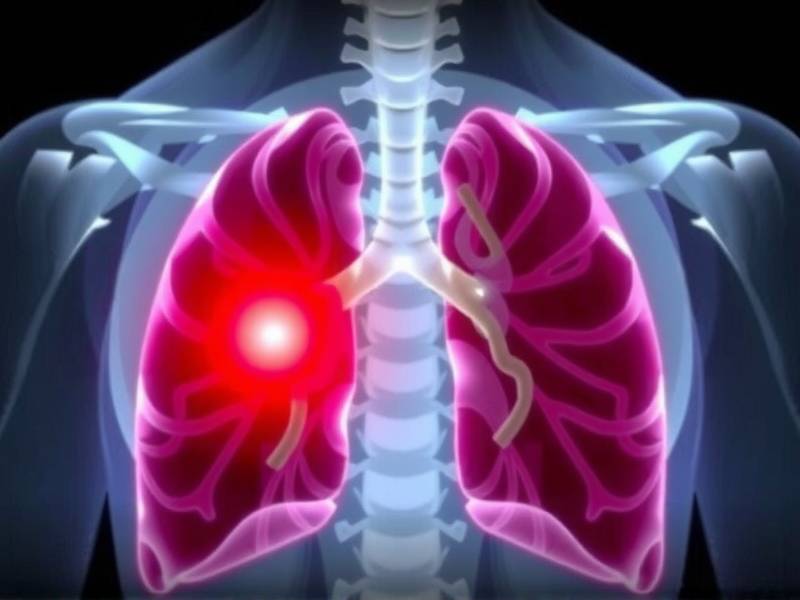
Long-term recovery from smoking-related damage can take years. According to studies conducted by researchers at the University of California San Francisco (UCSF), it takes approximately 10 years for former smokers' risk of dying from lung cancer to decrease by half compared to current smokers.
Moreover, long-term recovery involves maintaining healthy lifestyle choices such as regular exercise, proper nutrition, and avoiding exposure to secondhand smoke.
Tips for Accelerating Lung Healing
While it's essential to understand that quitting smoking is a gradual process with long-lasting benefits, here are some tips that may help accelerate lung healing:
- Stay Hydrated: Drinking plenty of water helps flush out toxins from your body.
- Exercise Regularly: Physical activity improves lung function and strengthens your immune system.
- Avoid Secondhand Smoke: Exposure to secondhand smoke can hinder lung healing.
- Seek Support: Joining support groups or seeking professional help can provide motivation and guidance throughout your journey.
Conclusion: A Journey Worth Taking
The road to quitting smoking is challenging but worth every effort due to its life-saving benefits. Understanding how soon after quitting smoking you can expect lung healing can provide hope and motivation for those struggling with this addiction. By embracing a healthier lifestyle and remaining committed to their decision, individuals can significantly improve their chances of living a longer and happier life without tobacco-related health issues.
Remember that progress may vary from person to person; therefore, patience and perseverance are key factors in overcoming this addiction successfully.