
Does Quitting Smoking Really Cure Sleep Apnea?
Does Quitting Smoking Really Cure Sleep Apnea? A Comprehensive Insight
Introduction: Sleep apnea is a common sleep disorder that affects millions of people worldwide. It is characterized by pauses in breathing during sleep, which can lead to poor sleep quality and various health complications. One of the most widely debated topics regarding sleep apnea is whether quitting smoking can cure this condition. In this article, we will delve into the relationship between smoking and sleep apnea, exploring whether quitting smoking can truly alleviate the symptoms of this disorder.
Understanding Sleep Apnea: Sleep apnea occurs when the muscles in the throat relax during sleep, causing the airway to narrow or close. This obstruction leads to pauses in breathing, which can last for a few seconds to several minutes. The most common types of sleep apnea are obstructive sleep apnea (OSA) and central sleep apnea (CSA).
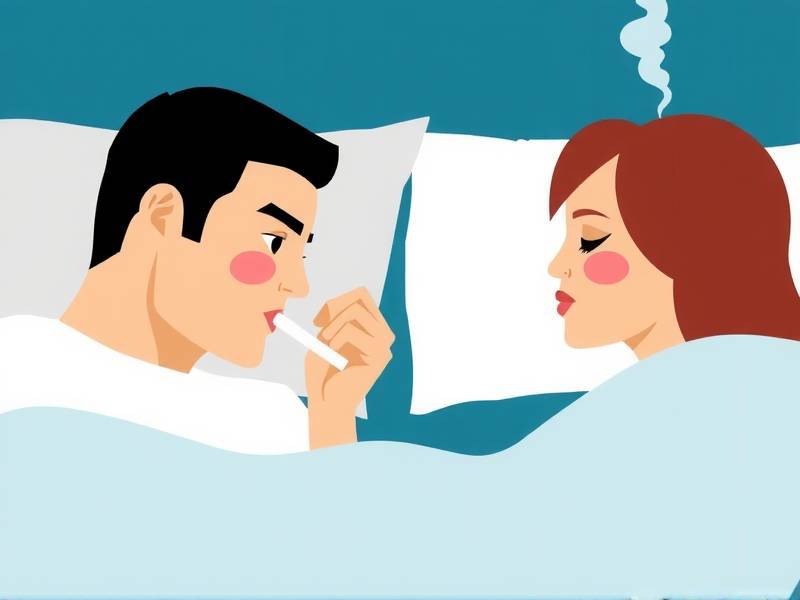
The Role of Smoking in Sleep Apnea: Numerous studies have shown a strong association between smoking and an increased risk of developing sleep apnea. Smoking causes inflammation and narrowing of the airway, making it more prone to obstruction during sleep. Additionally, nicotine, a major component of tobacco products, can affect brain function and breathing patterns.
Does Quitting Smoking Cure Sleep Apnea? While quitting smoking may not cure sleep apnea overnight, it has been proven to significantly improve symptoms and overall health in individuals with this condition.
-
Reduction in Airway Obstruction: By quitting smoking, you can reduce the inflammation and narrowing of the airway, making it less likely for your throat muscles to relax excessively during sleep. This reduction in airway obstruction can lead to fewer pauses in breathing and improved airflow.
-
Enhanced Lung Function: Quitting smoking helps improve lung function over time. As your lungs recover from the damage caused by tobacco smoke, you may experience better oxygenation during sleep, reducing the severity of symptoms.
-
Improved Sleep Quality: Smokers with sleep apnea often experience poor sleep quality due to frequent awakenings caused by pauses in breathing. Quitting smoking can help improve your overall sleep pattern by reducing these disruptions.
-
Reduced Risk of Complications: Sleep apnea has been linked to various health complications such as cardiovascular diseases, diabetes, and cognitive decline. By quitting smoking, you lower your risk for these conditions, thereby improving your overall health.
Conclusion: In conclusion, while quitting smoking may not cure sleep apnea entirely, it plays a crucial role in improving symptoms and overall well-being for individuals with this condition. If you are struggling with both smoking and sleep apnea, consider seeking professional help to develop a personalized quit plan that addresses both issues simultaneously.
Remember that seeking medical advice is essential if you suspect you have sleep apnea or if you are struggling with quitting smoking. By taking proactive steps towards a healthier lifestyle, you can significantly improve your quality of life and reduce the risk of developing serious health complications associated with both conditions.