
How Long After Quitting Smoking to See Improvements in Lung Capacity?
The Journey to Breathe Easier: Understanding Lung Capacity Recovery After Quitting Smoking
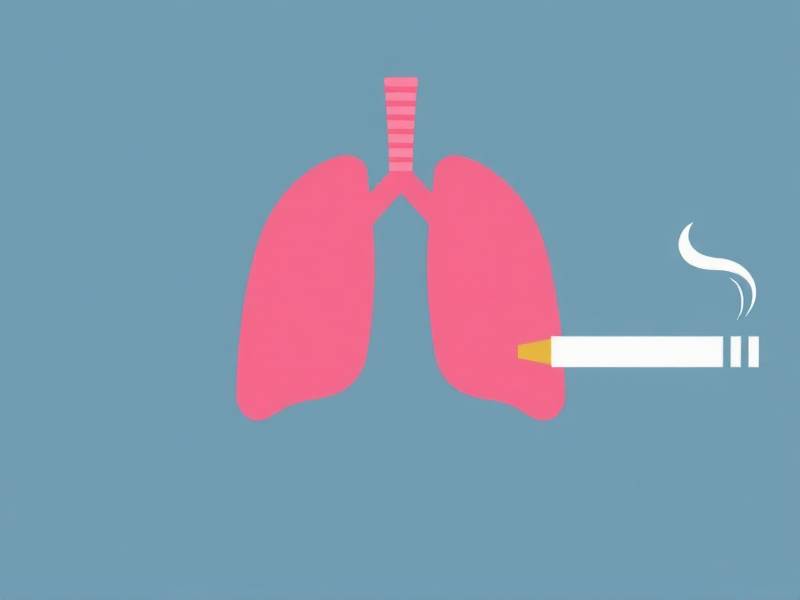
Introduction: Quitting smoking is a significant step towards improving one's health. Many smokers are eager to know how long they need to wait before seeing tangible improvements in their lung capacity. This article delves into the timeline of lung capacity recovery post-cessation, offering insights based on scientific research and expert opinions.
Section 1: The Immediate Impact of Quitting Smoking When you quit smoking, your body begins its healing process almost immediately. Within hours, carbon monoxide levels drop, and your heart rate and blood pressure start to normalize. However, these changes are not directly related to lung capacity improvements.
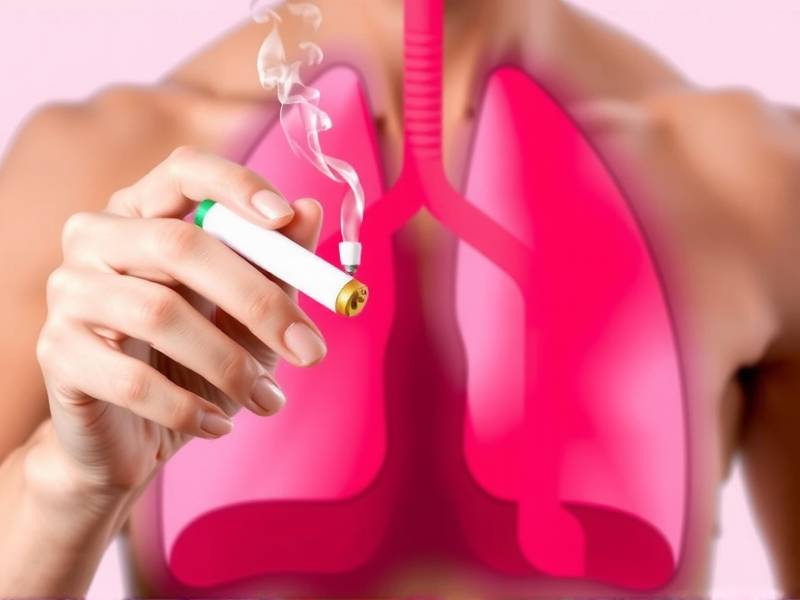
Section 2: Early Recovery (First Few Months) In the first few months after quitting, you may notice a decrease in shortness of breath and an increase in your ability to perform physical activities. According to the American Lung Association, it takes about three months for cilia (the tiny hair-like structures in your lungs) to start regaining their function. Cilia help clear mucus from the lungs, which can improve overall lung function.
Section 3: Moderate Improvement (6-12 Months) Within six months to a year after quitting, you can expect moderate improvements in lung capacity. Studies suggest that ex-smokers can see a 10-15% increase in their lung function during this period compared to when they were smoking.
Section 4: Long-term Benefits (1-5 Years) The long-term benefits of quitting smoking on lung capacity become more apparent after one to five years. During this time, the risk of developing chronic obstructive pulmonary disease (COPD) decreases significantly. Additionally, there is a gradual improvement in airflow and a reduction in symptoms such as chronic cough or wheezing.
Section 5: Continued Improvement Over Time It's important to note that lung capacity can continue improving over time even beyond the five-year mark. The rate of improvement may slow down as you age, but maintaining a smoke-free lifestyle is crucial for sustaining these gains.
Conclusion: The journey towards better lung health after quitting smoking takes time and patience. While immediate improvements may not be noticeable, there is a gradual recovery process that can lead to significant enhancements in lung capacity over several months and years. Embracing this journey not only improves your health but also enhances the quality of your life by allowing you to breathe easier and enjoy physical activities without discomfort or difficulty.