
How Soon Do Lungs Clear Up After Quitting Smoking?
How Soon Do Lungs Clear Up After Quitting Smoking? A Comprehensive Guide
Understanding the Journey to Lung Health
Quitting smoking is a monumental step towards improving one's health, and many smokers are eager to know how quickly their lungs can start to heal. The process of lung recovery after quitting smoking is a topic that often sparks curiosity and concern. Let's delve into the details and understand how soon you can expect your lungs to clear up.
Immediate Changes: The First Days
1. Immediate Benefits
When you quit smoking, your body begins its healing process almost immediately. Within the first 48 hours, your body starts to remove carbon monoxide from your bloodstream. This reduction in carbon monoxide can improve oxygen flow throughout your body.
2. Sensory Enhancement
Within just a few days, you may notice an improvement in your sense of taste and smell. This is because the nicotine-induced constriction of your taste buds and olfactory receptors starts to subside.
Short-Term Improvements: The First Weeks
3. Breathing Easier
After about two weeks, many smokers report feeling more energetic and experiencing easier breathing. This is because the inflammation in your lungs begins to decrease, allowing for better airflow.
4. Decreased Coughing
Coughing, a common symptom of chronic bronchitis among smokers, may also start to decrease as the lungs clear out mucus and debris.
Long-Term Recovery: The First Months
5. Lung Function Improvement
Over the first three months post-quit, lung function typically improves by as much as 10%. This means you'll have more energy and be able to engage in physical activities more comfortably than before.
6. Reduction in Risk of Respiratory Illnesses
The risk of respiratory infections such as bronchitis or pneumonia starts to decrease significantly after quitting smoking.
A Year Later: Noticeable Progress
7. Continued Lung Function Improvement
After a year of not smoking, lung function can improve by as much as 30% compared to when you were a smoker. This significant improvement can lead to fewer breathing difficulties during exercise or physical activity.
8. Reduced Risk of Heart Disease
Smokers who quit reduce their risk of heart disease by half within one year compared to continuing smokers.
The Road Ahead: Years Post-Quit
9. Long-term Health Benefits
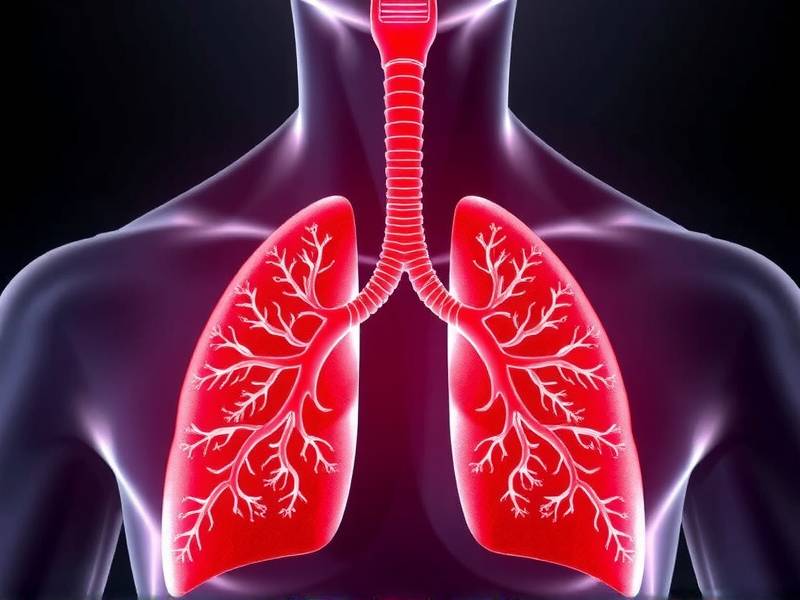
Beyond the first year, continued abstinence from smoking leads to further improvements in lung health over time. The risk of developing chronic obstructive pulmonary disease (COPD) decreases significantly with each year off cigarettes.
10. Overall Health Improvements
Quitting smoking not only benefits lung health but also has positive effects on overall health, including reduced risks for various types of cancer and cardiovascular diseases.
Final Thoughts
The journey towards lung health after quitting smoking is both challenging and rewarding. While it's impossible to predict the exact timeline for each individual due to variations in lung condition and lifestyle factors, it's clear that quitting offers immediate benefits that accumulate over time.
Remember that every puff counts—quitting now is better than later for your long-term health outcomes. If you're considering quitting or need support on this journey, don't hesitate to seek help from healthcare professionals or support groups dedicated to smoking cessation.
Embarking on this path towards better health is a significant decision that can lead to profound changes in your life—starting with clearer lungs and a brighter future ahead!