
Does Your Brain Heal After Quitting Smoking? The Science Behind the Healing Process
Does Your Brain Heal After Quitting Smoking? Unveiling the Science Behind the Healing Process
Introduction: Smoking has long been recognized as a detrimental habit that affects both physical and mental health. As countless individuals strive to quit smoking, one of the most intriguing questions is whether the brain can heal after quitting. This article delves into the science behind the healing process, providing insights into how your brain can recover from the damage caused by smoking.
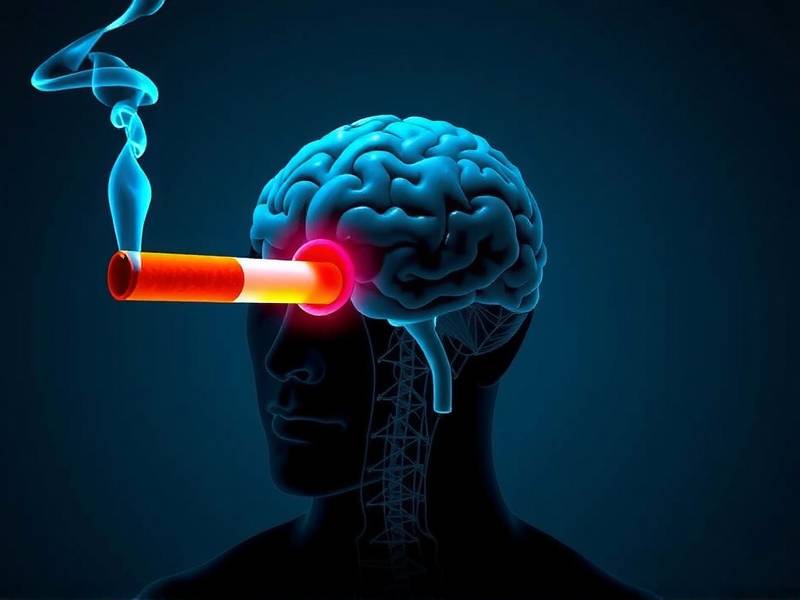
- The Impact of Smoking on the Brain: Smoking introduces numerous harmful chemicals into the body, including nicotine, tar, and carbon monoxide. These chemicals can have a profound impact on brain function and structure. Here's how smoking affects your brain:
a) Cognitive Impairment: Smoking impairs cognitive functions such as memory, attention, and executive control. b) Brain Shrinkage: Chronic smoking can lead to a decrease in brain volume, particularly in areas associated with learning and memory. c) Increased Risk of Neurodegenerative Diseases: Smoking has been linked to an increased risk of Alzheimer's disease, Parkinson's disease, and other neurodegenerative conditions.
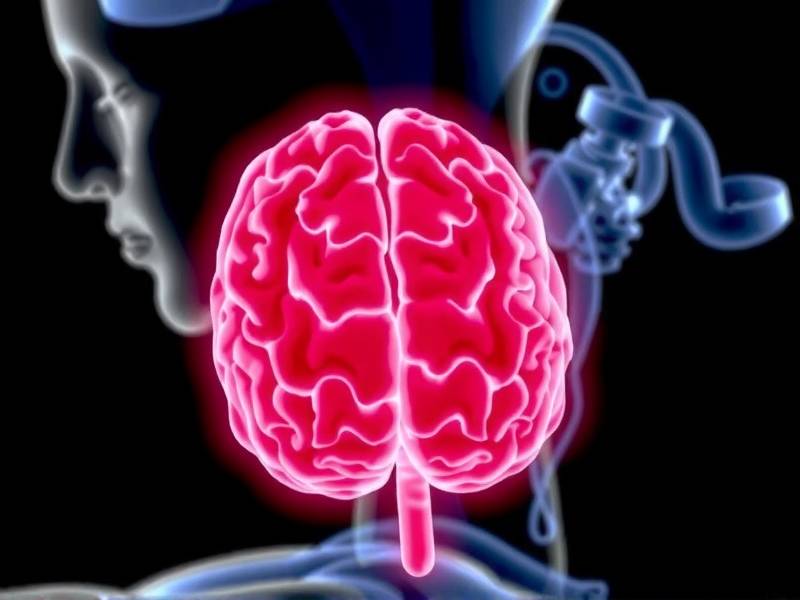
- The Healing Process: When you quit smoking, your body begins an incredible journey of healing. The same process also applies to your brain. Here's what happens:
a) Improved Blood Flow: Within hours of quitting smoking, blood flow to the brain starts to improve. This enhanced blood flow brings essential nutrients and oxygen to the brain cells. b) Reduced Inflammation: Smoking causes inflammation in various parts of the body, including the brain. Quitting smoking helps reduce this inflammation, promoting overall brain health. c) Neurogenesis: Research suggests that quitting smoking may stimulate neurogenesis – the growth of new neurons in certain areas of the brain.
- Cognitive Recovery: While it may take time for your brain to fully recover from smoking-related damage, many individuals experience significant cognitive improvements after quitting:
a) Enhanced Memory: Within weeks or months of quitting smoking, you may notice improved memory and better ability to focus. b) Improved Concentration: Quitting smoking can help improve concentration levels and reduce distractibility. c) Better Decision-Making Skills: As cognitive functions improve, decision-making skills also tend to become sharper.
- Long-Term Benefits: Quitting smoking not only promotes immediate healing but also offers long-term benefits for your brain:
a) Reduced Risk of Neurodegenerative Diseases: By quitting smoking, you lower your risk of developing neurodegenerative conditions such as Alzheimer's disease and Parkinson's disease. b) Improved Mental Health: Quitting smoking has been linked to improved mental health outcomes, including reduced symptoms of anxiety and depression.
Conclusion: The science behind the healing process after quitting smoking reveals a promising outlook for those looking to break free from this harmful habit. While it may take time for your brain to fully recover from years of smoking-induced damage, there is hope for improvement in cognitive functions and overall mental health. Embrace this journey towards a healthier mind by taking that first step towards quitting smoking today!