
Do Arteries Heal After You Quit Smoking?
The Healing Power of Quitting Smoking: Can Arteries Recover?
Introduction: Smoking has long been recognized as a major risk factor for heart disease, stroke, and other cardiovascular conditions. Many smokers who decide to quit often wonder if their arteries can heal after they stop smoking. In this article, we will explore the potential for arterial healing and the importance of quitting smoking for overall health.
Understanding Arterial Damage:
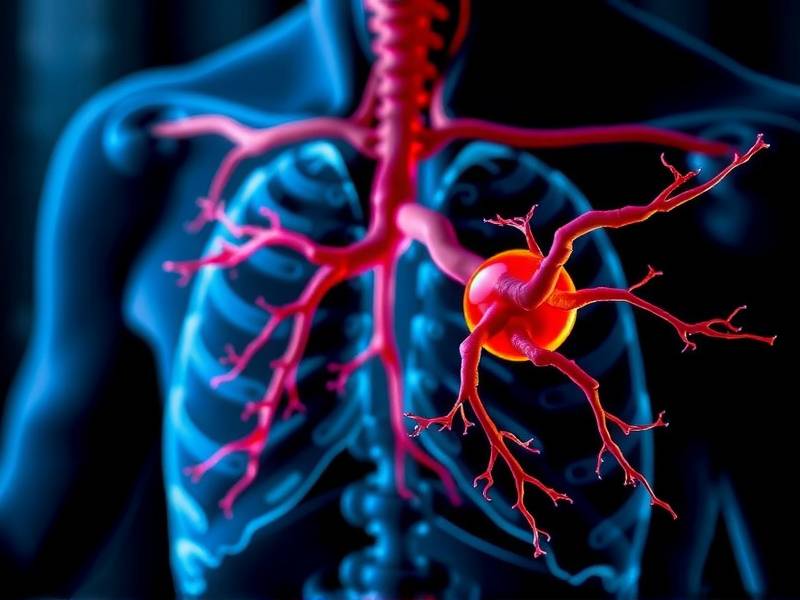
Arteries are vital blood vessels that carry oxygen-rich blood from the heart to the rest of the body. When you smoke, harmful chemicals can cause inflammation and damage to these arteries, leading to a condition known as atherosclerosis or "hardening of the arteries." This condition narrows and hardens your arteries, reducing blood flow and increasing your risk of heart attack and stroke.
The Healing Process:
Research suggests that quitting smoking can initiate a healing process in your arteries. Here's how it works:
-
Reduced Inflammation: Within just 24 hours of quitting smoking, your body starts to reduce inflammation caused by tobacco smoke. Over time, this can lead to improved artery function.
-
Increased Oxygen Flow: As your body clears out nicotine and other toxins from your system, oxygen flow through your arteries improves. This helps to reduce plaque buildup and improve overall circulation.
-
Improved Blood Pressure: Smoking can contribute to high blood pressure, which is a significant risk factor for heart disease. Quitting smoking often results in lower blood pressure levels.
-
Enhanced Endothelial Function: The endothelium is the lining of your arteries that helps regulate blood flow and prevent clotting. Quitting smoking can enhance endothelial function over time.
Scientific Evidence:
Several studies have supported the idea that quitting smoking can lead to arterial healing. For example:
- A study published in The Lancet showed that former smokers had significantly lower rates of cardiovascular events compared to current smokers.
- Another study in The New England Journal of Medicine found that quitting smoking at any age could significantly reduce the risk of heart disease.
The Importance of Early Action:
It's important to note that while quitting smoking can lead to arterial healing, it's best done as early as possible in life. The longer you smoke, the more damage accumulates in your arteries. However, even if you've smoked for many years, stopping now can still provide significant health benefits.
Conclusion:
Quitting smoking is one of the most effective steps you can take to improve your cardiovascular health and potentially reverse some arterial damage caused by tobacco use. While complete healing may not be possible for everyone due to pre-existing conditions or extensive damage, stopping smoking offers a promising path toward better artery function and reduced risk of heart disease and stroke.
Remember, it's never too late to quit! For those seeking support on their journey towards a smoke-free life, consult with healthcare professionals who can provide guidance tailored to individual needs.