
How Long Does It Take to Completely Quit Smoking? The Truth About the Healing Process
"How Long Does It Take to Completely Quit Smoking? The Truth About the Healing Process"
Introduction: Quitting smoking is a significant step towards a healthier life, but many smokers wonder how long it takes to fully recover from the habit. The truth is that the healing process can vary from person to person, but understanding the stages and timelines can help you stay motivated and confident in your journey.
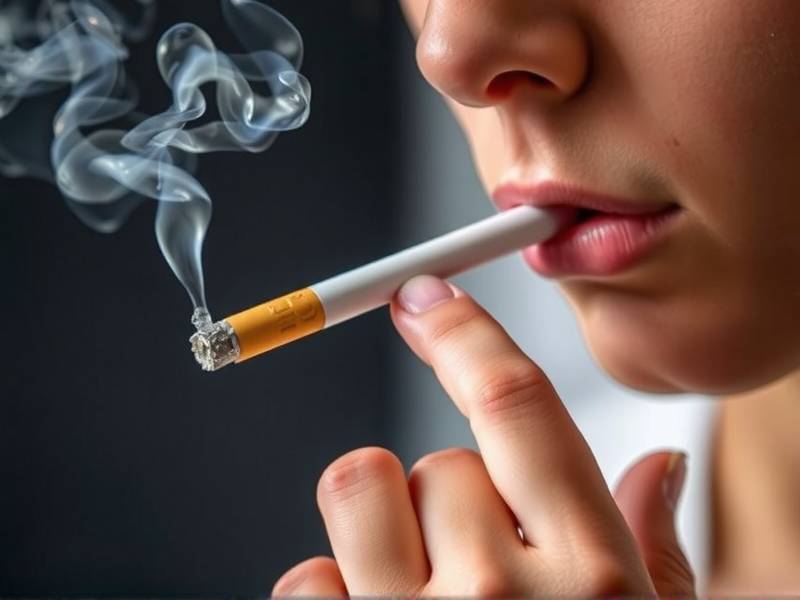
Understanding the Healing Process
-
Immediate Benefits As soon as you quit smoking, your body begins to heal. Within 20 minutes of your last cigarette, your heart rate and blood pressure start to decrease. Within 12 hours, carbon monoxide levels in your blood drop to normal, and within two weeks to three months, your circulation improves.
-
Short-Term Improvements After a few weeks of quitting, you'll notice a significant improvement in lung function. Your immune system will also start to strengthen, reducing your risk of respiratory infections.
-
Long-Term Recovery Over time, quitting smoking can lead to long-term health benefits. After one year of being smoke-free, your risk of coronary heart disease is reduced by half. After 10 years, your risk of lung cancer is about half that of a smoker's.
The Timeline for Complete Healing
-
One Month: You may still experience cravings and withdrawal symptoms during this time but will likely notice an improvement in mood and energy levels.
-
Three Months: Your lungs will continue to clear out mucus and debris from smoking, leading to better breathing and reduced coughing.
-
Six Months: You'll likely experience fewer respiratory infections as your immune system strengthens further.
-
One Year: Your risk of coronary heart disease starts to decrease significantly as blood vessels begin to repair themselves.
-
Five Years: Your risk of stroke drops by about half compared to that of a smoker's.
-
Ten Years: Your risk of lung cancer is about half that of a smoker's, and your risk of other cancers also decreases.
Overcoming Challenges
Quitting smoking can be challenging, but there are ways to make it easier:
- Seek Support: Join a support group or find an accountability partner who can help you stay on track.
- Use Nicotine Replacement Therapy (NRT): NRT products like patches or gum can help alleviate withdrawal symptoms.
- Stay Active: Regular exercise can boost your mood and reduce cravings.
- Focus on Rewards: Remind yourself why you want to quit and celebrate small victories along the way.
Conclusion: The healing process after quitting smoking takes time but is well worth the effort for improved health and well-being. By understanding the stages and challenges involved, you can stay motivated on your journey towards becoming smoke-free. Remember that every day without a cigarette brings you one step closer to complete recovery!