
Will Your Lung Function Improve After You Quit Smoking?
"The Journey to Improved Lung Function: What to Expect After Quitting Smoking"
Introduction: Quitting smoking is a significant step towards better health. Many smokers are eager to know if their lung function will improve after they quit. This article delves into the changes that occur in the lungs following smoking cessation and the timeline for these improvements.
Understanding Lung Function and Smoking
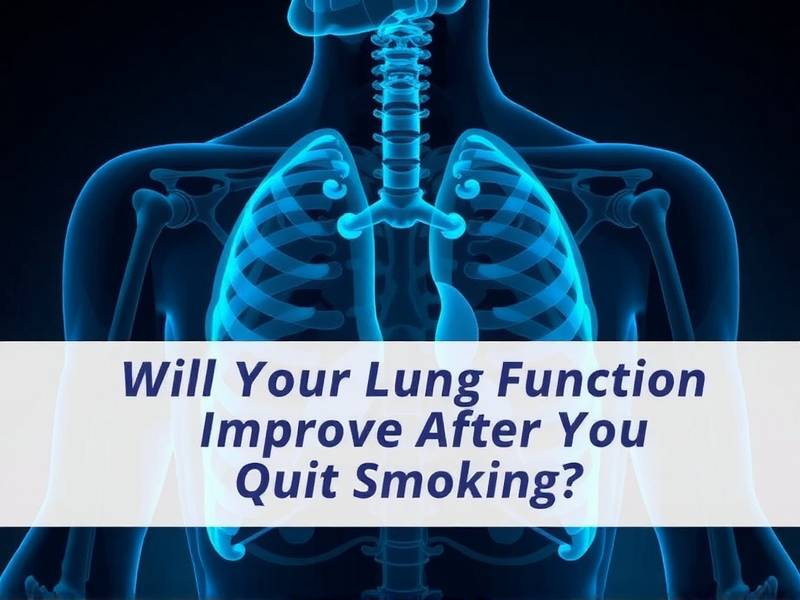
Lung function refers to how well the lungs can take in oxygen and release carbon dioxide. Smoking damages the delicate airways, causing inflammation, mucus production, and a decrease in lung capacity over time.
Immediate Improvements After Quitting Smoking
-
Short-Term Benefits
- Within hours of quitting, your blood pressure and heart rate begin to drop.
- Carbon monoxide levels in your blood decrease, allowing your body to use oxygen more efficiently.
- Your sense of smell and taste may start to return.
-
One to Nine Months
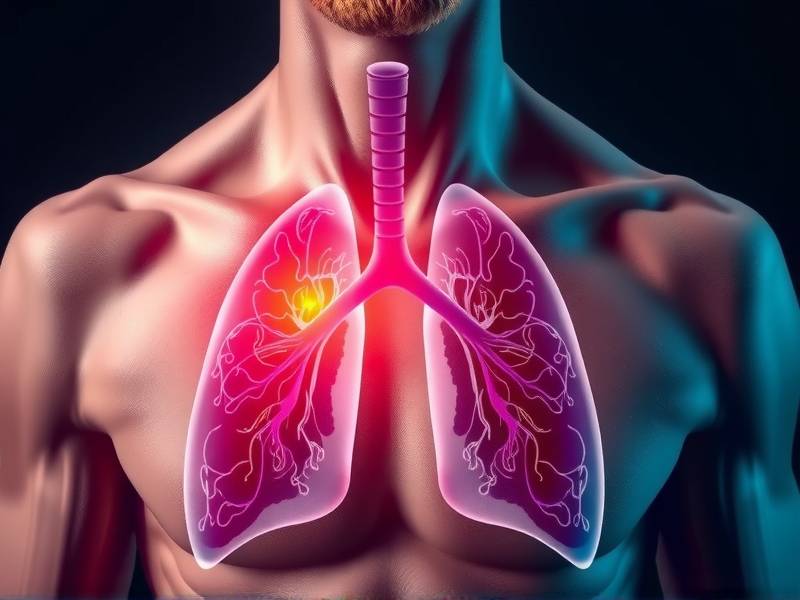
- The cilia (tiny hair-like structures) in your lungs start to regain their ability to move mucus out of the lungs, reducing coughing and shortness of breath.
- The risk of infections like bronchitis or pneumonia decreases.
Long-Term Benefits: Years 1-5
-
One Year
- Your risk of heart disease is reduced by half compared to when you were smoking.
- Your lung function continues to improve as your lungs heal from years of smoke damage.
-
Five Years
- Your risk of stroke is similar to that of a nonsmoker.
- Your chances of developing cancer are significantly lower.
Continued Improvement Over Time
-
Ten Years
- Your risk of cancer continues to decrease, reaching levels similar to those who have never smoked.
-
Fifteen Years or More
- Your risk for heart disease is also comparable to that of someone who has never smoked.
-
Beyond Twenty Years
- The long-term benefits continue, with a reduced risk for chronic obstructive pulmonary disease (COPD), which is a common consequence of long-term smoking.
Conclusion: The journey towards improved lung function after quitting smoking is gradual but well worth the effort. By taking this important step, you're not only improving your own health but also setting a positive example for others who may be contemplating quitting. Remember, it's never too late to start this journey towards better lung health!