
Can Smoking Still Affect Our Lungs Even After You Quit?
The Lingering Effects of Smoking on Lungs: Can It Still Impact You Post-Quitting?
Introduction: The decision to quit smoking is a significant step towards a healthier life. However, many ex-smokers often wonder if the damage caused by years of smoking can still affect their lungs even after they have quit. In this article, we delve into the lingering effects of smoking on the lungs and explore whether quitting can truly mitigate these risks.
The Immediate Impact of Quitting: When you quit smoking, your body begins to repair itself almost immediately. According to the American Lung Association, within 20 minutes of quitting, your heart rate and blood pressure drop. Within 48 hours, your sense of smell and taste start to improve. After just 12 weeks, your lung function starts to increase significantly.
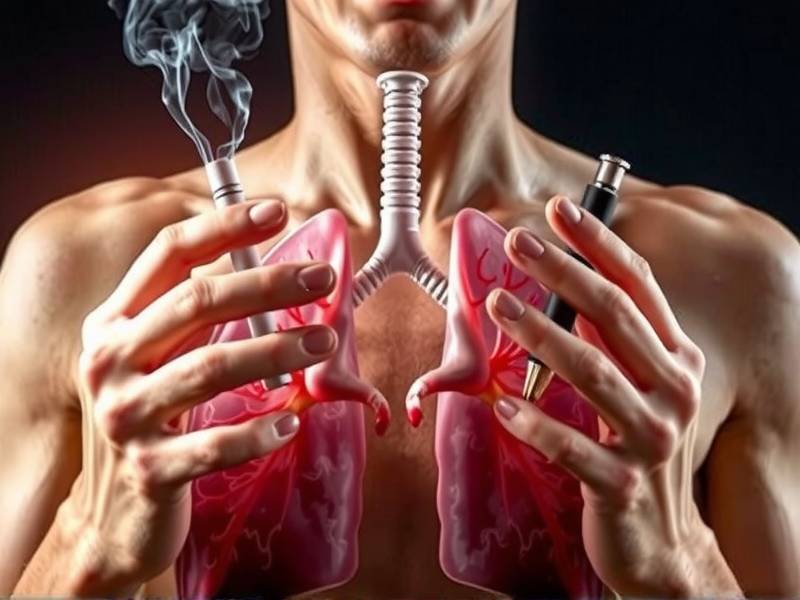
Long-Term Effects: Despite these initial improvements, some long-term effects may persist even after you've quit smoking. Here are some ways in which smoking can still impact your lungs post-quit:
1. Chronic Bronchitis: Chronic bronchitis is a common condition among smokers and ex-smokers alike. It causes inflammation and narrowing of the airways, leading to coughing and difficulty breathing. Although quitting can reduce the risk of developing chronic bronchitis, those who smoked heavily for an extended period may still experience symptoms.
2. Emphysema: Emphysema is another lung condition that can affect ex-smokers. This condition occurs when the air sacs in the lungs are damaged and lose their elasticity. While quitting can slow down the progression of emphysema, some damage may already be irreversible.
3. Increased Risk of Lung Cancer: Quitting smoking significantly reduces the risk of developing lung cancer; however, it does not eliminate this risk entirely. The longer you smoke or continue to be exposed to secondhand smoke post-quit, the higher your risk remains.
4. Airway Inflammation: Even years after quitting, your airways may still be inflamed due to past exposure to tobacco smoke. This inflammation can lead to symptoms such as shortness of breath and coughing.
Conclusion: While quitting smoking is a crucial step towards better lung health, it's essential to understand that some lingering effects may persist even after you've quit. By maintaining a healthy lifestyle and staying vigilant about any potential symptoms or complications related to past smoking habits, you can help ensure that you're doing everything possible to protect your lungs post-quit.
Remember that it's never too late to quit smoking – every day without tobacco is a step towards better health for both current and former smokers alike!