
Can You Still Get COPD If You Quit Smoking?
Understanding COPD and Smoking: Can You Still Get It After Quitting?
Introduction: Chronic Obstructive Pulmonary Disease (COPD) is a progressive lung disease that affects millions of people worldwide. Smoking is a major risk factor for developing COPD, but can you still get it if you quit? In this article, we will explore the relationship between smoking cessation and COPD, providing you with valuable insights to help you make informed decisions about your health.
Section 1: What is COPD? COPD is a chronic inflammatory lung disease characterized by persistent airflow limitation that is not fully reversible. It includes conditions such as chronic bronchitis and emphysema. The primary cause of COPD is long-term exposure to irritants, primarily tobacco smoke.

Section 2: The Impact of Smoking on COPD Smoking is the leading cause of COPD, accounting for about 85% of cases. When you smoke, the harmful chemicals in tobacco smoke damage your lungs over time. This damage can lead to inflammation and narrowing of the airways, resulting in symptoms like shortness of breath, coughing, and wheezing.
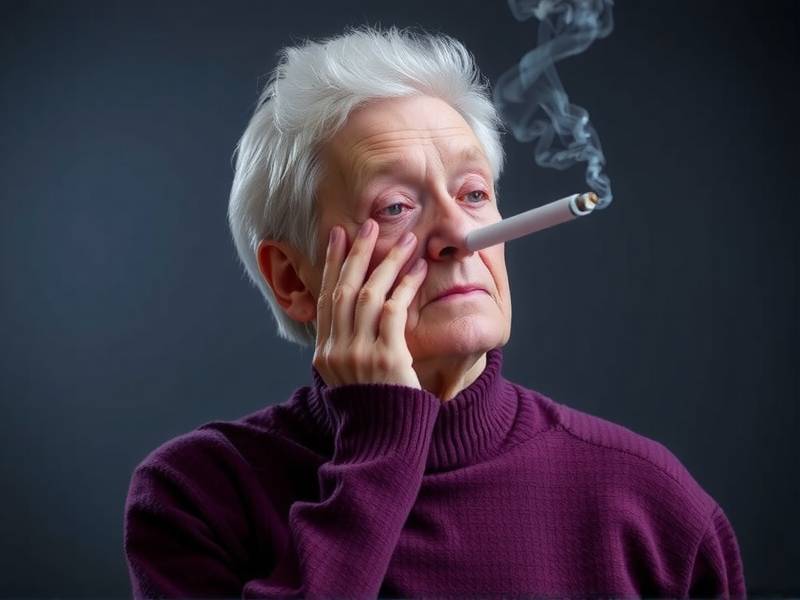
Section 3: Quitting Smoking and Reducing Risk Quitting smoking is one of the most effective ways to reduce your risk of developing or worsening COPD. Even if you have already developed COPD, quitting can slow down the progression of the disease and improve your quality of life.
Section 4: Can You Still Get COPD If You Quit Smoking? The short answer is yes; you can still develop COPD even if you quit smoking. However, quitting smoking significantly reduces your risk compared to continuing to smoke. Other risk factors for COPD include exposure to secondhand smoke, air pollution, dusts from occupations such as mining or farming, and genetic factors.
Section 5: The Importance of Early Detection Early detection and treatment are crucial in managing COPD effectively. Symptoms may not be noticeable in the early stages, so it's essential to seek medical attention if you experience any persistent respiratory issues. Regular check-ups with a healthcare professional can help monitor your lung function and detect any changes early on.
Conclusion: While quitting smoking significantly reduces your risk of developing or worsening COPD, it's important to remember that other factors can contribute to the disease. By understanding these factors and taking proactive steps towards improving your lung health, you can minimize your risk and live a healthier life. Remember to consult with healthcare professionals for personalized advice regarding your specific situation.