
Can Your Lungs Feel Worse After Quitting Smoking?
Can Your Lungs Feel Worse After Quitting Smoking? A Comprehensive Guide
Understanding the Post-Quitting Symptom
Have you ever wondered if your lungs can feel worse after quitting smoking? It's a common concern among those looking to kick the habit. While it might seem counterintuitive, there are several reasons why you might experience discomfort or pain in your lungs after quitting.
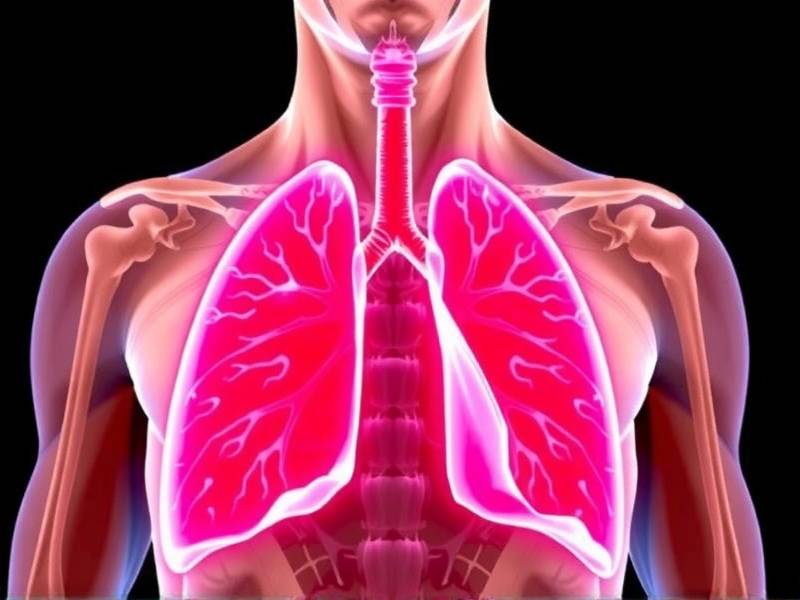
The Healing Process: What to Expect
-
The Immediate Detoxification
- When you quit smoking, your body immediately begins to detoxify. This process can sometimes lead to temporary discomfort as your body rids itself of nicotine and other harmful chemicals.
- Symptoms like a persistent cough or a sore throat are quite common during this phase.
-
Coughing Up Phlegm
- As your lungs start to heal, you may notice an increase in coughing, which can be quite intense. This is because your body is clearing out mucus and debris that has accumulated over time.
- The coughing may seem worse at first, but it's actually a sign of healing.
-
Breathlessness
- Some individuals report feeling short of breath or experiencing chest tightness after quitting smoking. This is often due to inflammation in the airways and the initial healing process.
- Over time, these symptoms usually subside as your lungs become healthier.
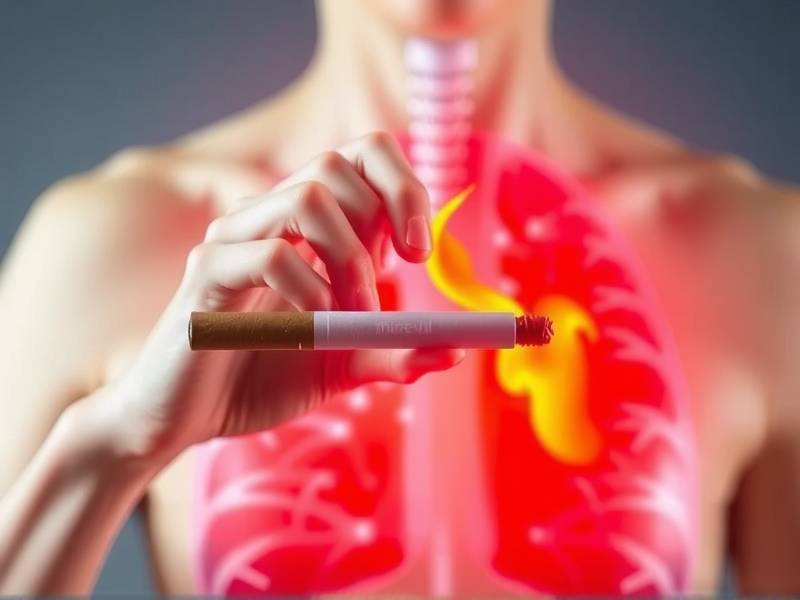
Why Might You Feel Worse?
-
Nicotine Withdrawal
- Nicotine is a powerful stimulant that affects the respiratory system. When you stop using it, you may experience withdrawal symptoms that can mimic respiratory issues.
- These symptoms are temporary and will diminish as your body adjusts to being nicotine-free.
-
Increased Sensitivity
- After quitting smoking, some people find that they are more sensitive to allergens and irritants in the air, which can lead to respiratory discomfort.
- It's important to avoid exposure to secondhand smoke and other pollutants during this time.
-
Physical Healing
- The actual healing of lung tissue can cause pain or discomfort. This is a normal part of recovery and indicates that your lungs are on the mend.
What Can You Do?
-
Stay Hydrated
- Drinking plenty of water can help loosen mucus and make it easier for your body to expel it from your lungs.
-
Exercise Regularly
- Gentle exercise can improve lung function and help reduce breathlessness.
-
Seek Support
- Joining a support group or seeking professional help can provide emotional support and practical advice during this challenging time.
-
Monitor Your Health
- Keep track of any symptoms and consult with a healthcare professional if they persist or worsen over time.
Conclusion: The Long-Term Benefits Outweigh the Short-Term Discomfort
While it's true that quitting smoking can initially cause some discomfort in your lungs, remember that these symptoms are temporary and a sign of healing. The long-term benefits of quitting far outweigh any short-term difficulties you may face. Your lungs will continue to improve with each day you remain smoke-free, leading to better overall health and well-being.
Remember, if you're considering quitting smoking, there's no better time than now. Your body will thank you for it!