
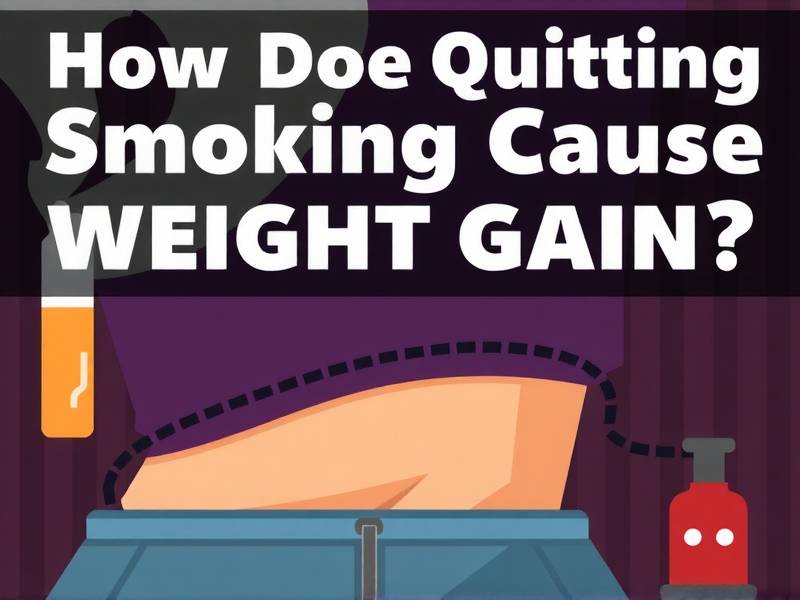
How Does Quitting Smoking Cause Weight Gain? The Science Behind the Phenomenon
Introduction
The decision to quit smoking is a significant step towards a healthier life. However, many smokers find that one of the most challenging aspects of quitting is the unexpected weight gain. This article delves into the science behind why quitting smoking can lead to weight gain, offering insights and strategies for managing this common concern.
The Role of Nicotine in Weight Regulation
Nicotine, a key component of tobacco, plays a critical role in regulating appetite and metabolism. When you smoke, nicotine stimulates the release of adrenaline, which can temporarily suppress your appetite. Additionally, it increases your heart rate and metabolic rate, contributing to an overall increase in energy expenditure.
Withdrawal Symptoms and Increased Appetite
When you quit smoking, your body goes through withdrawal symptoms. One of these symptoms is an increased appetite. Without nicotine to suppress it, your body craves food more than usual. This change in appetite often leads to an increase in calorie intake.

Metabolic Changes After Quitting Smoking
Research indicates that metabolism tends to slow down after quitting smoking. This reduction in metabolic rate means that the body burns fewer calories at rest compared to when you were smoking. As a result, if you consume more calories than your body burns, weight gain is likely.
Food Cravings and Emotional Eating
Quitting smoking can also trigger food cravings and emotional eating. The stress associated with withdrawal symptoms can lead individuals to seek comfort in food. Moreover, some people may use food as a substitute for smoking during this transition period.
Strategies for Managing Weight Gain After Quitting Smoking
1. Gradual Nicotine Replacement Therapy (NRT)
Using NRT such as gum or patches can help manage withdrawal symptoms while gradually reducing nicotine intake. This approach may also help minimize weight gain associated with quitting.
2. Regular Exercise
Regular physical activity increases metabolism and helps burn extra calories. Engaging in activities like walking, cycling, or swimming can be beneficial.
3. Mindful Eating
Being aware of what and why you're eating can help control calorie intake and prevent emotional eating triggered by stress or boredom.
4. Seek Support
Joining support groups or seeking counseling from professionals can provide additional tools for managing weight gain after quitting smoking.
Conclusion
Quitting smoking is a commendable goal that comes with its own set of challenges like weight gain. Understanding the science behind this phenomenon allows individuals to take proactive steps towards managing their health effectively while on their journey to becoming smoke-free.
Remember that every person's experience is unique, so it's important to tailor strategies based on individual needs and preferences when dealing with weight management after quitting smoking.