
Do Your Lungs Hurt After You Quit Smoking? The Truth About Lung Health When You Give Up Cigarettes
Do Your Lungs Hurt After You Quit Smoking? The Truth About Lung Health When You Give Up Cigarettes
Subheading: Understanding the Immediate Impact of Smoking Cessation on Lung Health
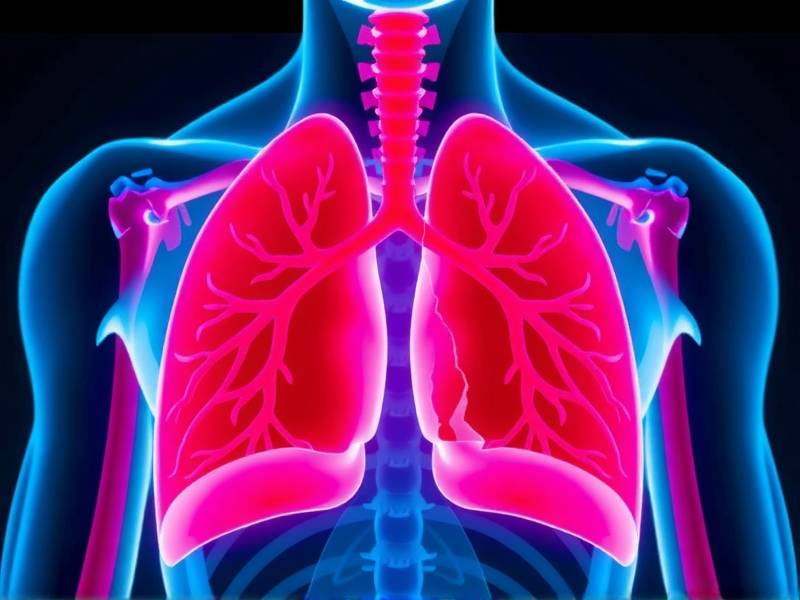
Have you ever wondered if your lungs hurt after quitting smoking? It's a common concern among former smokers, and it's essential to understand the truth about lung health during the process of giving up cigarettes. This article delves into the immediate effects of smoking cessation on lung function and provides insights into how your lungs heal over time.
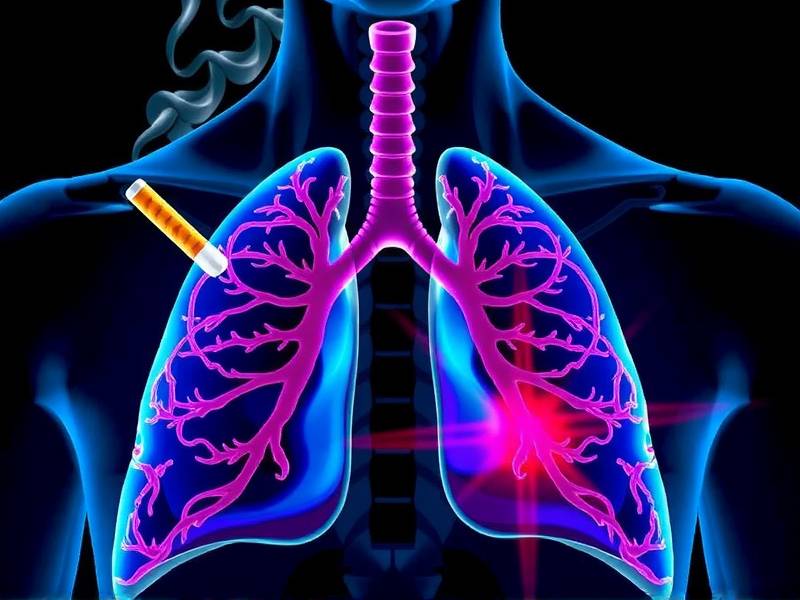
Immediate Effects: The Healing Process Begins
When you quit smoking, your body begins a remarkable healing process. Initially, you may experience discomfort or pain in your lungs, but this is not due to permanent damage. Instead, it's a sign that your body is working to clear out the toxins accumulated from years of smoking.
1. Coughing and Discomfort
One of the most immediate effects is a persistent cough. This is often referred to as "smoker's cough" and is caused by the body trying to expel mucus and tar from the lungs. It's a natural response and can last for several weeks or even months after quitting.
2. Shortness of Breath
You may also notice shortness of breath, especially during physical activity. This is because your lungs are still adjusting to the absence of cigarette smoke, which affects their ability to expand fully.
Long-Term Recovery: The Journey Ahead
The good news is that with time, your lungs will begin to recover significantly. Here's what you can expect in terms of long-term lung health when you give up smoking:
1. Improved Lung Function
Within just a few days after quitting, your lung function starts to improve. Within three months, you'll notice a significant decrease in coughing and shortness of breath.
2. Reduced Risk of Chronic Conditions
Quitting smoking reduces your risk of chronic respiratory diseases like COPD (Chronic Obstructive Pulmonary Disease) and lung cancer over time.
3. Enhanced Immune System
Your immune system will strengthen as it no longer has to fight off the harmful effects of cigarette smoke.
Tips for Supporting Lung Health After Quitting Smoking
To accelerate the healing process and support your lung health post-quitting:
- Stay hydrated.
- Engage in regular physical activity.
- Avoid secondhand smoke.
- Consider pulmonary rehabilitation programs if recommended by a healthcare professional.
Conclusion: A Promise of Improved Health
In conclusion, while it may be uncomfortable initially, quitting smoking is an essential step towards improving lung health. The truth is that with patience and dedication, your lungs can heal over time, leading to better overall well-being. So if you're considering quitting or have already done so, remember that every day without a cigarette brings you one step closer to healthier lungs and a longer life.
Remember, this journey isn't just about giving up cigarettes; it's about embracing healthier habits that can transform not just your lungs but also your entire body and life.