
How Long Do Chest Pains Last After Quitting Smoking?
How Long Do Chest Pains Last After Quitting Smoking? A Comprehensive Guide
Understanding the Connection Between Smoking and Chest Pains
Quitting smoking is a significant step towards improving one's health, but it can also come with a set of challenges. One common concern among smokers who are trying to quit is the occurrence of chest pains. These can be unsettling, but it's important to understand the relationship between smoking cessation and chest pain, as well as how long they might last.
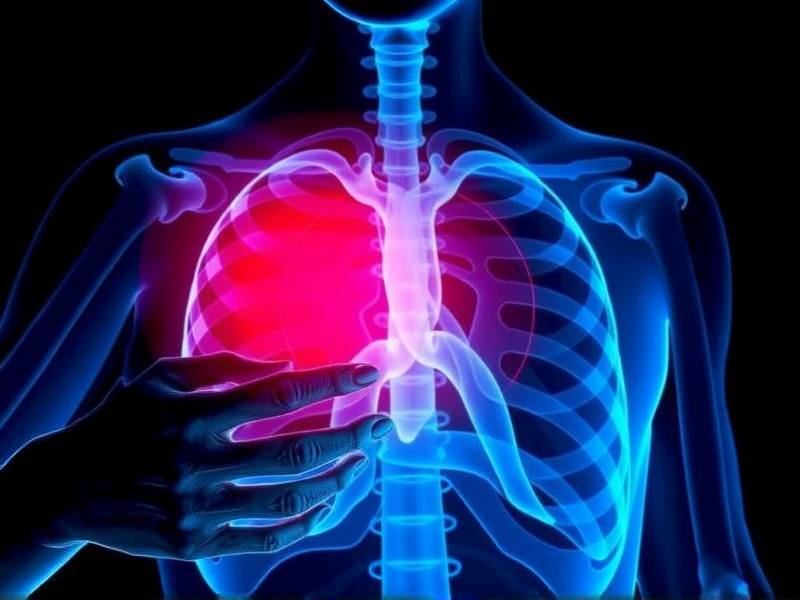
What Causes Chest Pains After Quitting Smoking?
Chest pains after quitting smoking are often due to the body's response to nicotine withdrawal. Nicotine, a highly addictive substance found in cigarettes, affects the cardiovascular system and can lead to increased heart rate and blood pressure. When you stop smoking, your body begins to adjust to the absence of nicotine, which can sometimes result in discomfort or pain.
The Duration of Chest Pains
The duration of chest pains after quitting smoking can vary widely from person to person. Some individuals may experience brief episodes of pain that last for a few days or weeks, while others may have more prolonged symptoms that persist for several months.
Common Duration Stages:
-
Immediate Relief: Many people report feeling immediate relief from chest discomfort within the first few days after quitting.
-
Acute Phase: During this phase, which can last from a few weeks to several months, individuals may experience intermittent chest pains.
-
Chronic Phase: In some cases, chest pain may become less frequent but could still occur occasionally even after several months or years of quitting.
Tips for Managing Chest Pains After Quitting Smoking
-
Stay Hydrated: Drinking plenty of water helps flush out toxins from your body and may alleviate some symptoms.
-
Exercise Regularly: Physical activity improves cardiovascular health and can help reduce chest pain over time.
-
Mindfulness Techniques: Practices such as deep breathing or meditation can help manage stress and anxiety that might contribute to chest pain.
-
Seek Professional Advice: If you're experiencing persistent or severe chest pain, it's crucial to consult with a healthcare professional for proper evaluation and treatment.
-
Consider Nicotine Replacement Therapy (NRT): NRT products like patches or gum can help alleviate withdrawal symptoms by providing controlled doses of nicotine without the harmful effects of smoking.
-
Stay Motivated: Remembering the long-term health benefits of quitting smoking can provide motivation during challenging times.
Conclusion: The Journey to Recovery
It's essential to understand that while quitting smoking is a journey filled with various physical and emotional challenges, these challenges are temporary. Chest pains are often a sign that your body is healing from years of exposure to tobacco smoke. With patience and persistence, most individuals find that their discomfort subsides over time as their bodies adapt to life without cigarettes.
Remember, every step towards quitting is progress—whether it's reducing cigarette consumption or seeking support through counseling or support groups. Embrace this new chapter in your life with hope and determination.