
How to Stop Coughing After Quitting Smoking: Effective Tips and Strategies
How to Stop Coughing After Quitting Smoking: Effective Tips and Strategies
Introduction: Quitting smoking is a significant step towards a healthier lifestyle, but it can come with its own set of challenges. One common issue that many smokers face after quitting is persistent coughing. This article aims to provide you with effective tips and strategies to help alleviate coughing after quitting smoking.
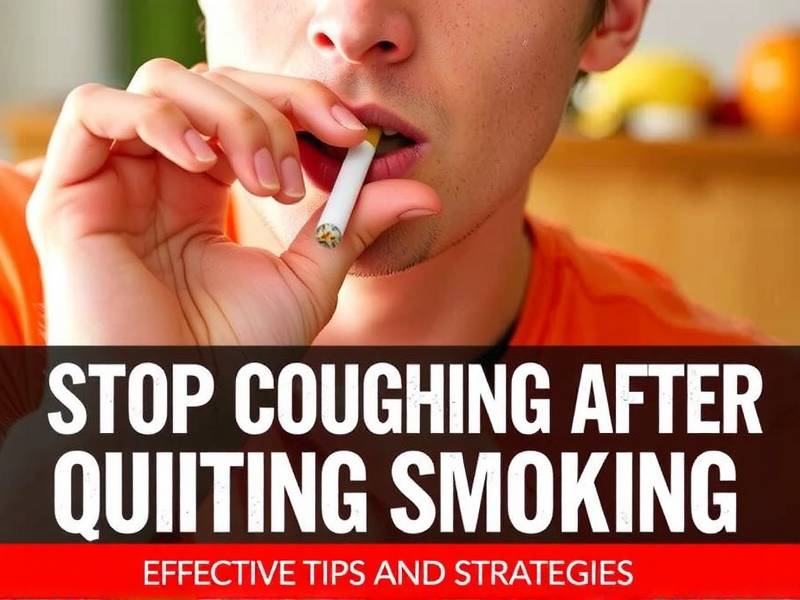
Understanding the Cough: When you quit smoking, your body starts to heal and remove the accumulated toxins from your lungs. One of the most common symptoms during this healing process is coughing. The coughing helps your body expel mucus and trapped particles that have built up in your respiratory system due to years of smoking.

-
Stay Hydrated: Drinking plenty of water is essential when trying to stop coughing after quitting smoking. Staying hydrated helps thin out the mucus in your lungs, making it easier for you to expel it through coughing. Aim for at least 8-10 glasses of water per day.
-
Use Saltwater Gargle: Saltwater gargle can help soothe your throat and reduce inflammation. Mix half a teaspoon of salt in a cup of warm water and gargle the solution for a few minutes several times a day.
-
Practice Deep Breathing Exercises: Deep breathing exercises can improve lung function and help reduce coughing. Techniques such as pursed-lip breathing or diaphragmatic breathing can be beneficial. Consult with a healthcare professional or respiratory therapist for guidance on proper techniques.
-
Try Steam Inhalation: Steam inhalation can help open up your airways and reduce coughing. Boil water, pour it into a bowl, cover your head with a towel, and inhale the steam deeply for about 10-15 minutes several times a day.
-
Avoid Irritants: Avoid exposure to irritants such as smoke, dust, pollen, or strong odors that can exacerbate coughing after quitting smoking. Keep your living environment clean and consider using air purifiers if necessary.
-
Consider Over-the-Counter Remedies: Over-the-counter remedies such as cough drops or lozenges can provide temporary relief from coughing. However, consult with a healthcare professional before using any medication, especially if you have pre-existing health conditions.
-
Seek Professional Help: If your cough persists despite trying these home remedies, it's essential to seek professional help from a healthcare provider. They can assess your condition and recommend appropriate treatments or medications tailored to your specific needs.
Conclusion: Stopping coughing after quitting smoking may take some time as your body heals from years of smoking damage. By staying hydrated, practicing deep breathing exercises, avoiding irritants, and seeking professional help when needed, you can effectively manage this common symptom on your journey towards better health. Remember that perseverance is key – keep motivated and focused on achieving long-term success in quitting smoking!