
How to Detox Your Lungs After Quitting Smoking
Revitalize Your Lungs: A Comprehensive Guide to Detox After Quitting Smoking
Introduction: Quitting smoking is a significant step towards a healthier life. However, the journey doesn't end there. One of the most crucial aspects of recovery is lung detoxification. This article provides you with practical tips and insights on how to detox your lungs after quitting smoking, ensuring a smooth transition towards better health.
Understanding Lung Detoxification
-
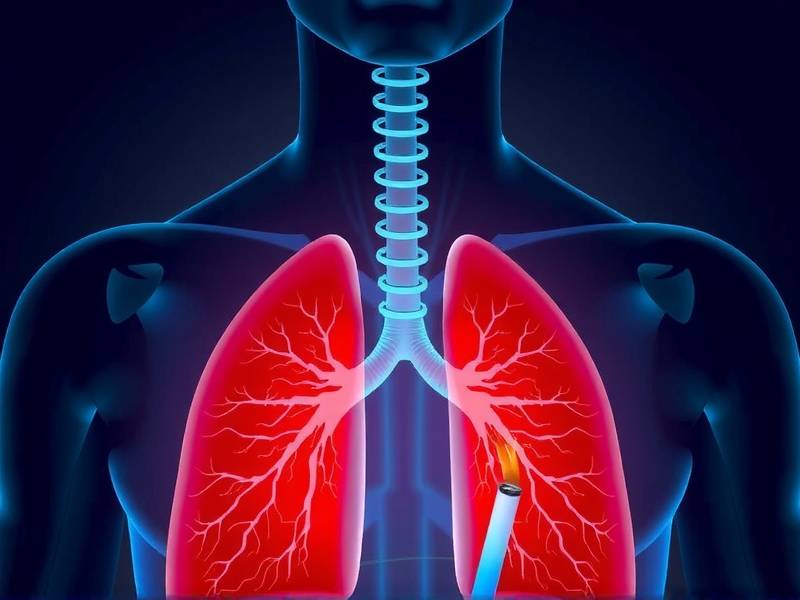
What is Lung Detoxification? Lung detoxification refers to the process of removing harmful substances and toxins from your lungs. These toxins accumulate in the lungs over time due to smoking, leading to various respiratory issues.
-
Why is Lung Detoxification Important? Detoxifying your lungs can help improve lung function, reduce the risk of respiratory diseases, and enhance overall well-being.
Effective Strategies for Lung Detox
-
Increase Hydration Drinking plenty of water helps flush out toxins from your body, including the lungs. Aim for at least 8 glasses a day.
-
Practice Deep Breathing Exercises Deep breathing exercises can help improve lung capacity and remove trapped air in the lungs. Try practices like pranayama or diaphragmatic breathing.
-
Incorporate Physical Activity Regular exercise increases blood circulation and promotes lung health. Activities like walking, cycling, or swimming are excellent choices.
-
Consume Nutrient-Rich Foods A balanced diet rich in fruits, vegetables, nuts, and seeds can provide essential nutrients for lung repair and boost your immune system.
-
Avoid Environmental Pollutants Minimize exposure to secondhand smoke, dust, chemical fumes, and other pollutants that can hinder lung detoxification.
-
Consider Herbs and Supplements Some natural herbs and supplements like turmeric, garlic, vitamin C, and zinc may aid in lung detoxification.
-
Seek Professional Help if Needed If you experience persistent respiratory issues or discomfort after quitting smoking, consult a healthcare professional for personalized advice.
The Role of Time in Lung Detox
It's important to remember that lung detoxification is a gradual process that takes time. While some improvements may be noticeable within a few weeks or months after quitting smoking, complete recovery may take years depending on various factors like age, overall health condition, and duration of smoking.
Conclusion:

Quitting smoking is just the beginning of your journey towards better health. By incorporating these strategies into your daily routine, you can effectively detoxify your lungs after quitting smoking and pave the way for a healthier future. Remember that patience and consistency are key to achieving long-lasting results!