
Can You Develop COPD Even After 20 Years of Quitting Smoking?
Understanding Chronic Obstructive Pulmonary Disease (COPD) and Smoking
Chronic Obstructive Pulmonary Disease (COPD) is a chronic lung disease characterized by long-term breathing problems. It's often caused by exposure to irritants, particularly tobacco smoke. The big question on many smokers' minds is: can you still develop COPD even after quitting smoking for 20 years? Let's delve into this topic to clear up any confusion.
The Link Between Smoking and COPD
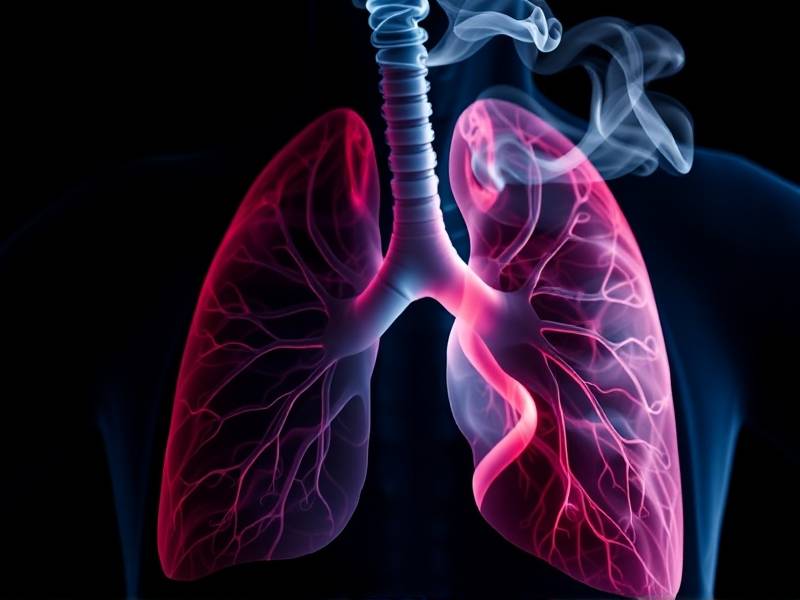
It's well-documented that smoking is the leading cause of COPD. The chemicals in tobacco smoke can damage the airways and air sacs in the lungs, leading to inflammation and scarring. This damage can accumulate over time, even if you quit smoking.
The Timeline of COPD Development
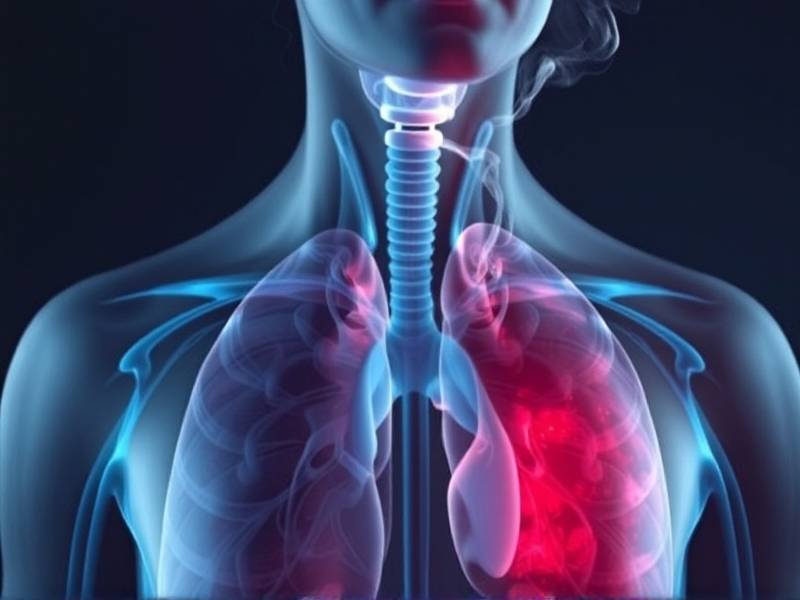
The progression of COPD can vary from person to person. For some, symptoms may not appear until many years after they start smoking. Even if you quit smoking 20 years ago, it's possible that the damage has already been done.
The Role of Quitting Smoking
Quitting smoking is one of the most effective ways to slow down or prevent the progression of COPD. While it may not reverse all the damage, it can significantly reduce your risk of developing more severe symptoms and complications.
COPD After 20 Years of Quitting Smoking
So, can you develop COPD after quitting smoking for 20 years? The answer is yes, but the risk is lower compared to those who continue smoking. According to a study published by the National Heart, Lung, and Blood Institute (NHLBI), individuals who quit smoking before age 35 reduce their risk of dying from COPD by about 90%.
However, even if you've been smoke-free for two decades, it's essential to be vigilant about your lung health. Regular check-ups with your healthcare provider can help monitor any changes in your lung function.
Lifestyle Choices and Risk Factors
It's important to note that while quitting smoking reduces your risk of developing COPD, other factors can contribute to its development. These include exposure to secondhand smoke, air pollution, occupational hazards like dust or chemicals, and genetic predisposition.
Conclusion
In conclusion, while quitting smoking at any age is beneficial for your lung health, there is still a possibility of developing COPD even after 20 years of being smoke-free. However, the risk is significantly lower than for those who continue smoking. By maintaining a healthy lifestyle and staying vigilant about your lung health through regular check-ups with healthcare professionals, you can take proactive steps towards reducing your risk of developing more severe symptoms associated with COPD.